
Staying charged while exploring [Kanagawa](/articles/kanagawa-accessibility-resources-guide/) is a must-have for navigation, photography, and communication. Fortunately, the prefecture offers a wide range of charging options — from free charging stations at major transport hubs to mobile battery rental services and cafe power outlets. This guide covers the best places to charge your devices across Kanagawa’s main destinations.
Kanagawa Charging Spots Guide 2026

Overview
Mobile Battery Rentals
The most convenient option for travelers is mobile battery rental services. Japan has two major providers — both widely available across Kanagawa:
ChargeSPOT
The most ubiquitous rental service, ChargeSPOT has stations at convenience stores (FamilyMart, Lawson, 7-Eleven), train stations, and tourist facilities across Kanagawa.
- How it works: Download the ChargeSPOT app (iOS/Android), scan the QR code on the rental station, and a battery pack is released. Return it to any ChargeSPOT station when finished.
- Cost: ¥330 for 24 hours (capped at ¥660 for 48 hours)
- Battery capacity: 10,000 mAh (enough to charge a typical smartphone 2–3 times)
- Cables: USB-C and Lightning cables built into the station; bring your own cable for older devices
- Locations in Kanagawa: Over 500 stations including Yokohama Station, Kamakura Station, Hakone-Yumoto Station, Kawasaki Station, and major convenience stores
NTT Docomo Mobile Battery
Docomo’s rental service is available at select stores and cafes, offering a slightly lower price point.
- Cost: ¥220 for 24 hours
- Locations: Docomo shops, some Starbucks locations, major electronics stores (Yodobashi Camera, Bic Camera)
- Return: Must be returned to a Docomo rental station (less flexible than ChargeSPOT)
Convenience Store Charging
In a pinch, most convenience stores in Japan have outlets available for customer use. Look for seats near the windows or a designated charging corner. FamilyMart and Lawson are the most likely to have accessible outlets. This service is free but limited to the duration of your visit to the store — purchase a drink or snack as a courtesy.
Free Charging Stations at Major Stations
Several major train stations in Kanagawa offer free charging areas: Yokohama Station:
- Central Passage near the East Exit: Four charging stations with USB ports (type-A and type-C), free for all passengers
- JR Ticket Gate area: Two charging tables with six seats each, located near the Shonan-Shinjuku Line entrance
- CIAL Yokohama shopping complex: Charging benches on the second floor near the food court
Kamakura Station:
- East Exit waiting area: Two charging stations with four USB ports each (free)
- Kamakura Tourist Information Center: Three seats with charging capability inside the center
Hakone-Yumoto Station:
- Station building second floor: Free charging table with six seats
- Hakone Tourist Information Center: Two USB charging ports available during opening hours
Kawasaki Station:
- Azalea shopping complex: Charging seats on the first and third floors
- LAZONA Kawasaki Plaza: Multiple charging areas in the food court and lounge spaces

Cafes with Power Outlets
If you need to sit down and charge while enjoying a drink, these Kanagawa cafes are known for readily available outlets:
Yokohama:
- Tully’s Coffee (Minato Mirai): Most seats have nearby outlets, free Wi-Fi included
- Starbucks Reserve Roastery (Yokohama World Porters): Dedicated seating area with outlets, extensive drink menu
- Excelsior Caffè (near Yokohama Station): Counter seating with outlets
Kamakura:
- Cafe Recute (Komachi-dori): A quiet cafe near the main shopping street, outlets available at counter seats
- Sakura Cafe (near Kamakura Station): Known for English-friendly service and outlet-equipped seating
Hakone:
- Hakone Bakery and Table (Hakone-Yumoto): A comfortable cafe with free Wi-Fi, outlets, and excellent pastries
- Naraya Cafe (Miyanoshita): Hot spring-area cafe with power outlets at counter seats
📍 Location

ChargeSPOT stations are concentrated at major transport hubs. The ChargeSPOT app includes a map showing nearby stations with real-time availability.

💰 Budget Breakdown
| Option | Cost | Convenience | Best for |
|---|---|---|---|
| ChargeSPOT rental | ¥330/24hr | ★★★★★ | Heavy users, all-day charging |
| Convenience store outlet | Free | ★★★ | Quick top-up |
| Station charging area | Free | ★★★★ | Planned breaks |
| Cafe with outlet | ¥500–¥800 (drink) | ★★★ | Working/resting |
| Recommended | ¥330–¥660/day | ChargeSPOT for reliability |


Practical Charging Tips
- Bring your own cable: While ChargeSPOT stations have cables built in, having your own USB-C or Lightning cable (1 meter or longer) ensures compatibility and convenience.
- Power bank for backup: If you plan to be away from stations for extended periods (e.g., hiking in Hakone or exploring Kamakura’s hills), bring a personal power bank. Electronics stores in Yokohama and Kawasaki sell compact 10,000 mAh power banks for ¥2,000–¥4,000.
- Voltage: Japan uses 100V, 50/60 Hz with Type A (flat two-pin) plugs. Most modern chargers accept 100–240V, but check your charger’s label. If you
need an adapter, most convenience stores sell universal travel adapters for ¥500–¥1,000.
- Emergency numbers: If your phone battery dies and you urgently need to contact someone, public phones (kōshū denwa) are still available at train stations and accept ¥100 coins or prepaid phone cards.
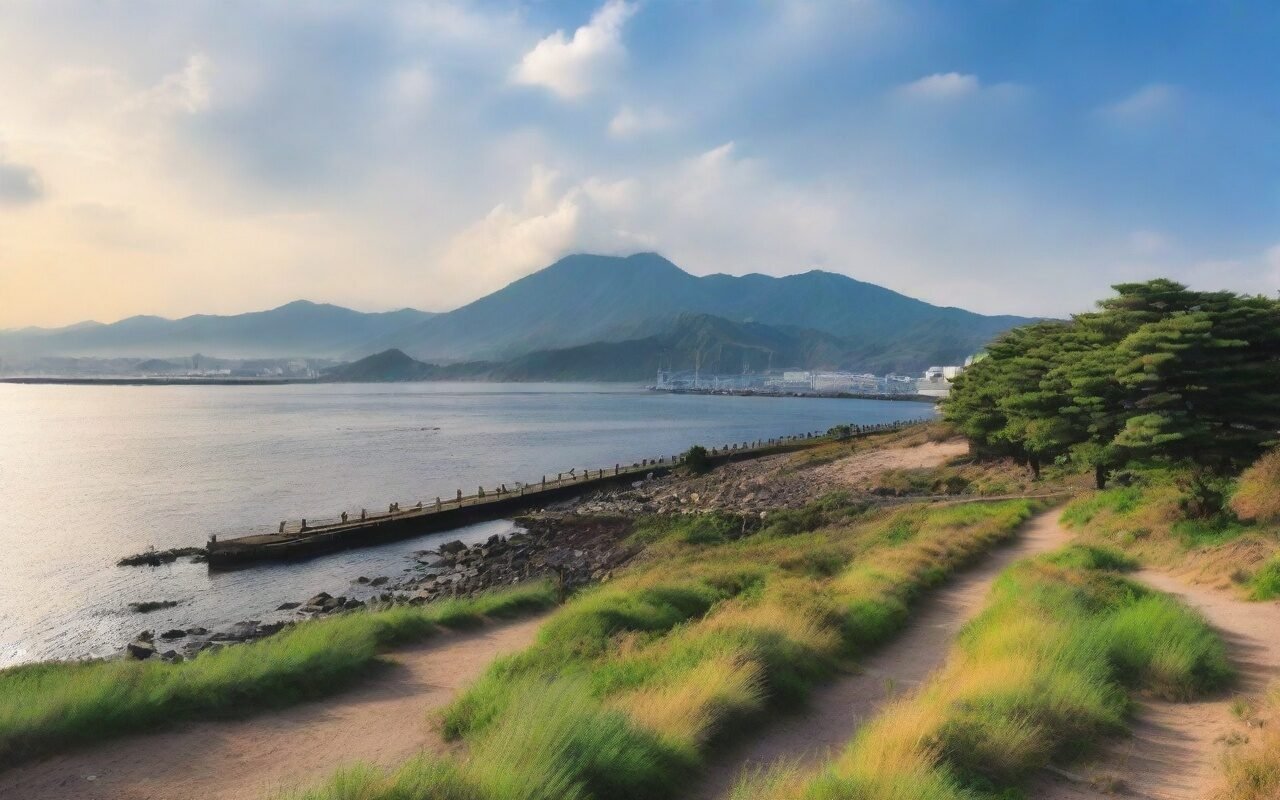
With these options — mobile batteries, station charging areas, and cafe outlets — staying powered up in Kanagawa is straightforward. A little advance planning (and the ChargeSPOT app) ensures you never miss a photo opportunity or navigation prompt.
Money-Saving Tips
Save money by eating lunch sets (teishoku) which offer great value at ¥900-1,500. Purchase day passes for unlimited train travel in specific areas. Convenience stores provide affordable meals and snacks. Book attractions online in advance for potential discounts. Many museums offer reduced admission during certain days or hours. Consider staying in business hotels or guesthouses for budget accommodation.
Packing Essentials
Pack comfortable walking shoes as most exploration is done on foot. Bring a reusable water bottle – tap water is safe throughout Japan. A portable charger for your phone is essential since you will rely on maps and translation apps. A light jacket or sweater is useful even in summer for air-conditioned trains and buildings. Pack a small umbrella for unexpected rain showers.
Dos and Don’ts
Do carry cash as many smaller establishments are cash-only. Do be punctual for any scheduled activities or meetings. Do use the designated smoking areas rather than smoking on the street. Don’t talk loudly on trains or buses – keep phone calls brief. Don’t enter restricted areas at temples and shrines. Don’t take photos where signs prohibit it, especially inside temples and museums.
What to Expect
Expect a mix of modern convenience and traditional culture. Temples and shrines coexist with shopping malls and entertainment complexes. Walking is the best way to explore most areas, so comfortable shoes are essential. Wifi is available at most stations and tourist facilities. Queuing etiquette is important – always wait in line and follow directional signs.
Conclusion
exploring Kanagawa can be as relaxed or as packed as you want it to be, and I have found that the best visits leave room for both planning and spontaneity. During my visit I went with a rough plan and found that leaving room to wander made the trip far more memorable. Use this guide to sort out the logistics in advance, then let the day surprise you — Kanagawa rewards travelers who stay curious.