
Traditional Wagashi Sweets Kanagawa 2026
Overview
Explore the rich cultural heritage and historical significance of Traditional Wagashi Sweets Kanagawa in Kanagawa Prefecture. This guide delves into the fascinating stories, traditions, and landmarks that define Traditional. From ancient temples to modern museums, discover how this destination has shaped Japan’s cultural landscape over centuries.

The Seasonal Connection
Wagashi changes with the calendar. A good shop will have a completely different lineup every month.
- Spring: Sakura (cherry blossom) shaped sweets in soft pinks and whites.
- Summer: Mizuyokan (jelly blocks) and clear, translucent desserts to evoke coolness and water.
- Autumn: Momiji (maple leaf) shapes and chestnut (kuri) flavors to celebrate the harvest.
- Winter: Steamed cakes like Oyaki to warm the body and soul.

Kanagawa’s Famous Wagashi

Kurumi-kan (KaKamakurapecialty)
A Kamakura specialty consisting of sweet bean paste studded with walnuts, wrapped in a thin steamed dough. It was originally created to feed injured soldiers in the samurai era because it is easy to digest and high in energy. Today, it is a beloved souvenir.
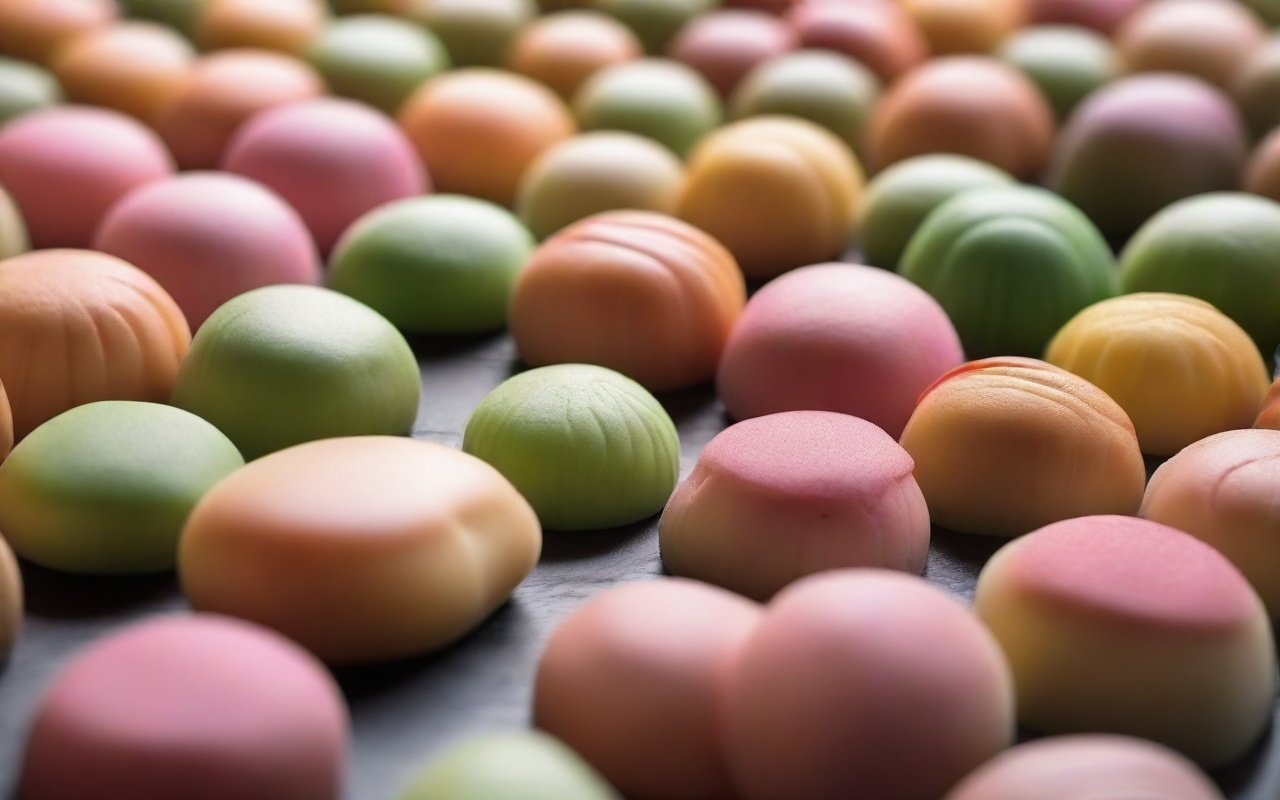

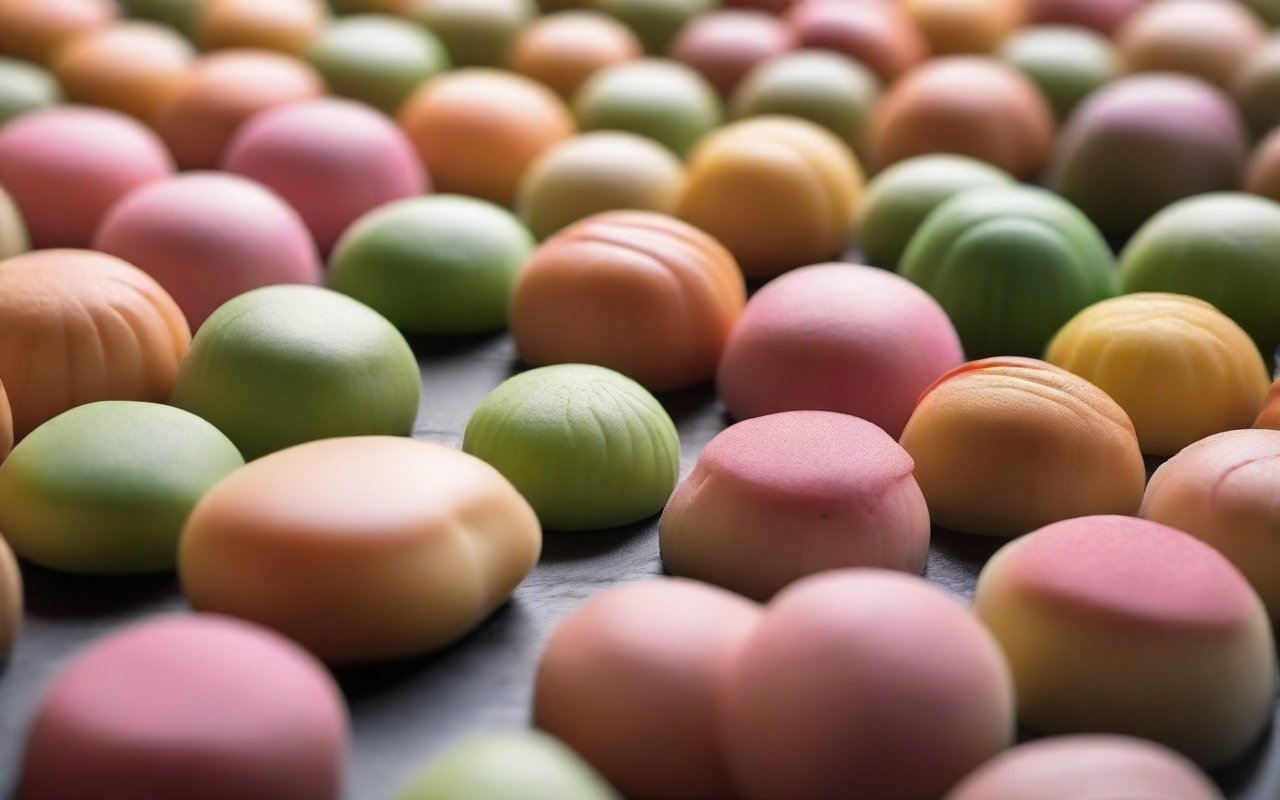
Wagashi are traditional Japanese confections that are often served with tea. Unlike Western desserts that focus heavily on chocolate, butter, and dairy, Wagashi emphasizes the beauty of the seasons, using ingredients like mochi (rice cake), bean paste (anko), and agar (kanten). They are “edible art” that reflects the transient nature of time.
Yatsuhashi variations
Originally from Kyoto, many shops in Kamakura offer unique twists on this triangle mochi, often filled with fresh cream and fruit to appeal to modern tastes.
Where to Buy
Komachi-dori Street
This bustling shopping street in Kamakura is lined with shops offering free samples of fresh mochi. Watch the artisans pound the rice cakes by hand with large wooden mallets—a rhythmic spectacle that draws crowds.
Yokohama Motomachi
High-end patisseries here blend French techniques with Japanese ingredients, creating “Fusion Wagashi” that are popular among locals.
How to Choose Wagashi for Train Rides and Gifts
Strolling Komachi-dori with a warm bag of mochi feels spontaneous, yet a little planning keeps wagashi from turning into sticky luggage disasters before you reach Ofuna. If your afternoon ends with a Shonan-Shinjuku line sprint, favor drier items such as yokan bricks wrapped in string-tied paper or individually boxed monaka that seal out humidity. Rainy walks demand the opposite strategy: jelly-style mizuyokan and nama dorayaki skins soften fast, so eat them while you are still near the shop counter and keep photographic evidence for friends rather than trying to ship them home.
Seasonality is not only aesthetic; flavors actually shift because ingredient moisture changes through the year, Spring sakura mochi wrapped in salt-cured leaves tastes assertively savory until the salt relaxes overnight—many travelers prefer it the next morning with hotel drip coffee rather than immediately after purchase. Summer confections marketed as refreshing often lean on less sugar and more kanten, which means they expire within a day or two even when refrigerated. Autumn kuri pieces pair naturally with hojicha served at quieter cafés off the Komachi side streets, while winter steamed manju travels better when slightly cooled because condensation weakens the outer skin.
Motomachi boutiques frequently offer tasting flights that bridge French pâtisserie technique with wagashi foundations; ask whether meringue-lightened anko cups need refrigeration before you commit if your hotel minibar is cluttered. In Kamakura, smaller counters may decline card payments on weekends, so carry coins and small bills to avoid awkward negotiations while a line forms behind you. Staff often appreciate simple Japanese phrases such as “kore hitotsu” (this one, one piece) or “omakase sanzen en de” (roughly a three-thousand-yen chef’s selection) more than long English explanations shouted over counter displays.
If you need help stringing wagashi stops into a broader sweets crawl, our companion guide to Japanese dango shops across Kanagawa pairs shrine approaches with skewer stops that balance sugar loads between matcha breaks. Yokohama’s broader dessert scene in Yokohama Chinatown hidden menus shows how port-city pantries reinterpret bean pastes with spices traders brought generations ago. Save receipts when buying omiyage bundles for coworkers; many shops stamp duty-free paperwork only before wrapping.
Finally, respect photography rules: open kitchens pounding mochi are showpieces, but back-room packing areas may be off limits if signage says no photos. A quick bow and eye contact before pointing a phone prevents the awkward moment where a master waves you toward tasters instead of images. Wagashi rewards unhurried curiosity—let aroma lead first, price second, and packaging last so you taste season before souvenir logic takes over.
More Wagashi Shops in Kanagawa
Kamakura’s Hidden Wagashi Studios
Kogetsuan (古月庵) near Kencho-ji Temple produces wagashi that changes daily based on what is blooming in the temple’s garden. Their “Kiku no Hana” (chrysanthemum flower) wagashi in November features delicate petals made from pressed bean paste—almost too beautiful to eat. A single piece costs ¥350, and they recommend pairing it with their house-made matcha (¥500).
Kamakura Wagashi Kobo (Kamakura (鎌倉)wagashi (和菓子, traditional sweets)工房) offers 30-minute hands-on wagashi-making workshops (¥2,200). You will shape two seasonal wagashi (typically one for spring/autumn and one year-round design) while learning about the symbolism behind each shape. The class is conducted in Japanese with English instruction sheets; telephone reservation required.
Yokohama’s Fusion Wagashi
Motomachi’s patisseries push the boundaries of traditional wagashi by incorporating Western techniques. Patisserie Wagashi Hana (パティスリー和果子花) serves a “Matcha Tiramisu” that layers mascarpone cream with matcha-soaked ladyfingers and a dusting of kinako (roasted soybean flour). At ¥680 for a single-serve cup, it is an accessible introduction to the wagashi-Western fusion trend.
Understanding Wagashi Categories
Wagashi can be classified into several categories based on preparation method and water content:
Namagashi (生菓子) — Fresh Confections
These are the highest quality wagashi, made fresh daily with seasonal ingredients. Water content exceeds 30%. They must be consumed within 24–48 hours. Namagashi are the centerpiece of tea ceremonies and are crafted to reflect the current season.
Examples: Sakura mochi (spring), kuri manju (autumn), yuzu jelly (winter)
Han-namagashi (半生菓子) — Semi-Dried Confections
These have a water content of 10–30% and can last 3–5 days. They strike a balance between the freshness of namagashi and the shelf stability of dried confections.
Examples: Monaka (wafer filled with bean paste), yokan (azuki bean jelly), ama-natto (sweet fermented beans)
Higashi (干菓子) — Dried Confections
With less than 10% water content, these can last weeks or months. They are typically served with thin matcha (usucha) at less formal tea gatherings.
Examples: Konpeito (star-shaped sugar candy), rakugan (pressed molds), senbei (rice crackers)
How to Choose Wagashi as Gifts
When selecting wagashi as souvenirs or gifts, consider these factors: Recipient’s palate: If they have a sweet tooth, choose namagashi with smooth anko (bean paste). If they prefer less sweet options, choose higashi or yokan with matcha flavor—the bitterness balances the sweetness.
Travel duration: For gifts that need to survive a flight home, choose dried wagashi (higashi) or vacuum-sealed yokan. Fresh namagashi should be consumed locally or purchased on the departure day.
Seasonal relevance: Japanese gift-giving culture values seasonal awareness. Gifts that reflect the current season (cherry blossom designs in spring, moon-viewing motifs in autumn) are considered especially thoughtful.
| Season | Recommended Wagashi | Color/Design |
|---|---|---|
| Spring (Mar–May) | Sakura mochi, cherry blossom yokan | Pink, green |
| Summer (Jun–Aug) | Mizu manju, summer fruit jelly | Clear, blue |
| Autumn (Sep–Nov) | Kuri manju, maple leaf monaka | Orange, red |
| Winter (Dec–Feb) | Yuzu jelly, snow-shaped rakugan | White, gold |
Wagashi and Tea Pairing Guide
| Wagashi Type | Best Tea Pairing | Why |
|---|---|---|
| Namagashi (bean paste) | Koicha (thick matcha) | The intense bitterness balances sweetness |
| Monaka (wafer) | Usucha (thin matcha) | The light texture pairs with thinner tea |
| Yokan (jelly) | Hojicha (roasted tea) | Toasty notes complement the dense jelly |
| Senbei (rice cracker) | Sencha (green tea) | Savory-sweet contrast |
| Konpeito (candy) | Genmaicha (brown rice tea) | Nutty flavors enhance caramel notes |
Many Kamakura tea houses offer wagashi and matcha sets (¥700–¥1,200) that include a seasonal wagashi and a bowl of matcha prepared by the tea master. This is the most authentic way to experience the pairing.
Tips
A few things I learned while researching exploring Kanagawa for its sweets: start early to beat the crowds, check opening days in advance, and carry a little cash for smaller shops and entry fees. Comfortable shoes make a bigger difference than most visitors expect, and an IC card such as Suica or Pasmo speeds up every train ride.
Frequently Asked Questions (FAQ)
Q: How long do fresh wagashi last?
A: Most fresh wagashi (nama-gashi) must be consumed within 24–48 hours. Semi-dried varieties (han-nama) last 3–5 days. Dried confections (higashi) can last weeks.
Q: Are wagashi very sweet?
A: Yes, by Western standards traditional wagashi can be quite sweet. The sweetness is designed to balance the bitterness of matcha. If you have a low sugar tolerance, choose higashi (dry confections) or mizuyokan (jelly blocks) which are less sweet.
Q: Can I bring wagashi through airport security?
A: Yes, solid wagashi (yokan, monaka, senbei) are fine in carry-on luggage. Fresh cream-filled or jelly-type wagashi may face restrictions. For safety, purchase wagashi after passing through security.
Q: What is the most iconic souvenir wagashi from Kanagawa?
A: Kamakura’s Kurumi-kan (walnut and bean paste cake) and Odawara’s kamaboko-shaped wagashi (fish cake shaped sweets) are unique to the region. Both are widely available at station souvenir shops.
Q: Do I need to make a reservation for wagashi-making workshops?
A: Yes, reservations are essential. Kamakura Wagashi Kobo requires at least 3 days’ notice. Workshops are small (max 6 people) and fill up quickly on weekends.
Conclusion
Whether you are planning exploring Kanagawa for its sweets for the first time or returning for another visit, taking a little extra time to go beyond the obvious sights makes all the difference. During my visit I went with a rough plan and found that leaving room to wander made the trip far more memorable. I hope this guide helps you build an itinerary that fits your pace, and that your time in Kanagawa leaves you with memories worth coming back for.