
Atsugi & Zama: Japan’s Car-Culture Heartland and the Nissan Heritage Collection
Overview
Ask a car enthusiast what they want to see in Japan and the answer is usually a list of Tokyo icons: Daikoku PA, the JDM meetups, the tuning shops. Very few mention Kanagawa’s western suburbs, and that is exactly why I am writing this guide. Between Atsugi and Zama — twenty minutes west of Yokohama by train — sits some of the most concentrated automotive history in the world, anchored by a museum that most visitors do not even know exists.
I am not a mechanic. My interest is the culture: the stories, the design, and the people who treat machines as art. So when a friend at Nissan told me the company’s internal heritage collection in Zama opens its doors to the public, I cleared a weekend and went. What I found was a warehouse-sized shrine to Japanese engineering — GT-Rs in every generation, rally legends with the mud still on their fenders, and concept cars that never reached production — plus a town with a Showa-era retro quarter that feels frozen in the 1970s.
That combination — a world-class museum hidden in a suburb, plus a retro district, plus the region’s famous spring-water sake breweries — makes Atsugi and Zama one of the most underrated day trips in Kanagawa. This guide covers the Nissan Heritage Collection in detail, the retro streets of Atsugi, the region’s breweries, and how to combine them into a single day.

📍 Getting There
Atsugi and Zama sit on the Odakyu Odawara Line, roughly 20-30 minutes west of Shinjuku.

From Tokyo
- Odakyu Odawara Line from Shinjuku (50-65 min, ¥700-900) — Take a Limited Express to Hon-Atsugi Station, the main access point for both towns. This is the most direct route.
- JR Sagami Line from Hashimoto (40 min, ¥500) — If you are coming from the Yokohama area, the JR Sagami Line connects Hashimoto (on the Yokohama Line) to Atsugi and Isehara. Slower, but useful if you are combining with a Yokohama visit.
- Car — Atsugi and Zama are well served by the Tomei Expressway (Atsugi IC). Rental is an option if you want to include the surrounding countryside; see the rental car guide for requirements and costs.

Getting to the Nissan Heritage Collection
The Nissan Heritage Collection is inside the Nissan Motor Corporation’s Oppama plant area, officially addressed in Zama City. From Hon-Atsugi Station it is about 15 minutes by taxi (¥2,000-2,500) or 30 minutes by bus. From Zama Station it is a 20-minute walk or short taxi ride.
Important: The museum requires a reservation. Foreign visitors can book through the official Nissan Heritage Collection website, which offers an English reservation page. Visits are guided and last about 90 minutes. Book at least 2-3 weeks ahead; weekend slots fill quickly.

Money-Saving Tickets
Admission to the Nissan Heritage Collection is free, though the reservation is mandatory. For transport, the Odakyu Free Pass covers the round trip from Tokyo if you are also visiting other Odakyu-line destinations. If you are combining with Hakone, the Hakone Free Pass includes the Odakyu line out to Odawara, and Atsugi is a stop along the way — though the pass’s value only makes sense if you actually reach Hakone.
🏎️ The Nissan Heritage Collection: A Cathedral of JDM
What It Is
The Nissan Heritage Collection is the automaker’s private museum, housing over 400 vehicles spanning the company’s 90-year history. It opened to the public in 2010 and remains a working archive: many of the cars are drivable, and staff move them between storage and display on a rotating basis. What you see on a given visit depends on what is being conserved, restored, or prepared for an event — which makes every visit different.
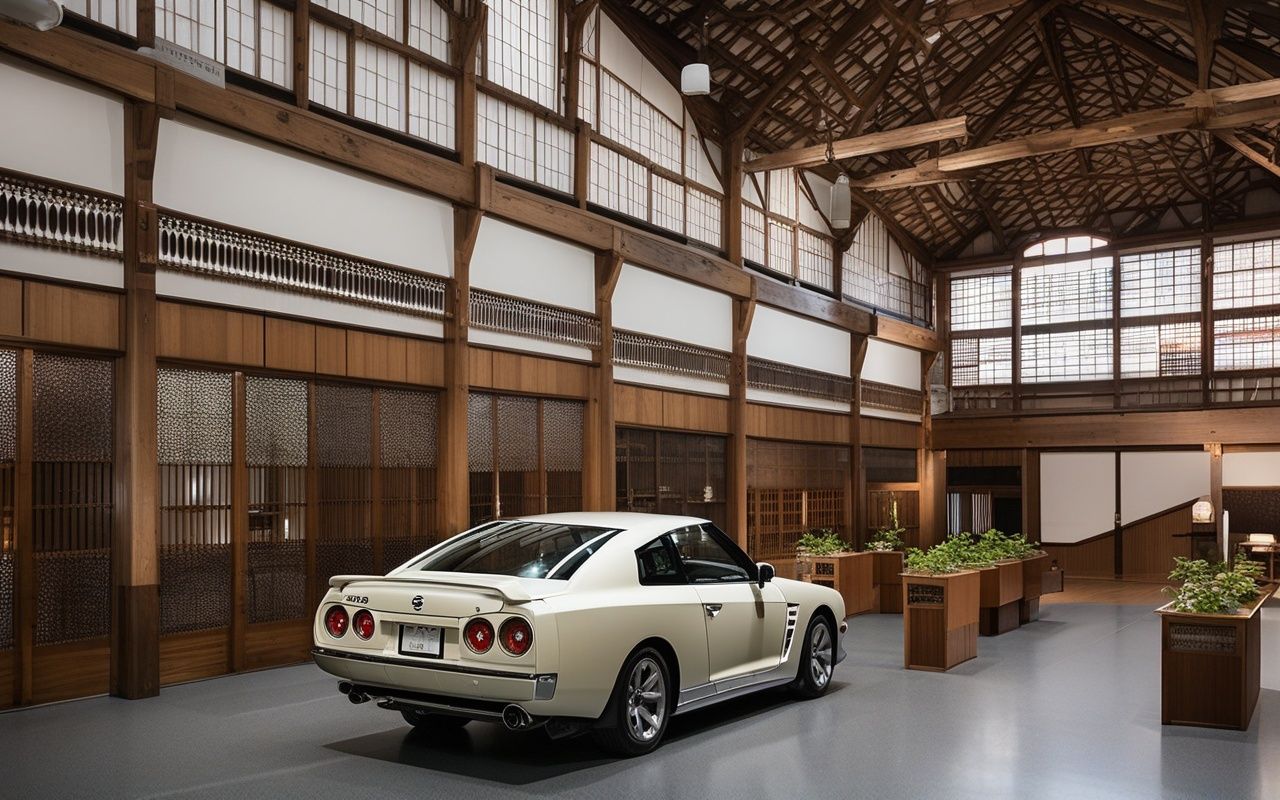
The collection is displayed in a single enormous hall, with rows of cars organized by era. The effect is overwhelming in the best way. I spent the first ten minutes just walking the perimeter, trying to take it all in — then spent the next hour with my nose against the glass of specific cars.
The Highlights
- The GT-R lineage — Every generation is represented, from the original 1969 PGC10 Skyline GT-R to the modern R35. Seeing the legendary R34 V-Spec in person, with its unmistakable angular body, is worth the trip alone. The cars are displayed with their racing history documented — the R32’s dominance in Australian touring cars, the R33’s record Nürburgring lap.
- The rally legends — The collection includes the 240RS and the GT-Rs that competed in Group A and Group N rallying. Several still carry the scars of competition: stone chips, faded decals, and the occasional repaired panel.
- The Le Mans cars — Nissan’s Le Mans prototypes, including the R90CK that raced in the early 1990s, are displayed in a dedicated corner. The aero work on these cars is extraordinary up close.
- The concept cars — Some of the wildest vehicles in the collection never reached production. The IDx NISMO and other show cars offer a glimpse of what designers dreamed up — often more interesting than what actually shipped.
- The race team corner — Super GT and Formula E machinery, including the current Nissan Formula E car, complete the picture of a company that has always raced.
Practical Notes
- Reservation is mandatory — Book through the official site. English tours are available but limited; request one when booking.
- Photography — Allowed in most areas, but some prototype sections prohibit photos. Respect the signs; staff are strict.
- Time — Allocate 90 minutes to 2 hours. There is no cafe inside, but there are vending machines.
- Weekend note — The museum is popular with Japanese families and enthusiasts. The atmosphere is relaxed and family-friendly, with stroller access throughout.
🏮 Atsugi’s Showa Retro Quarter
The Town’s Surprising Character
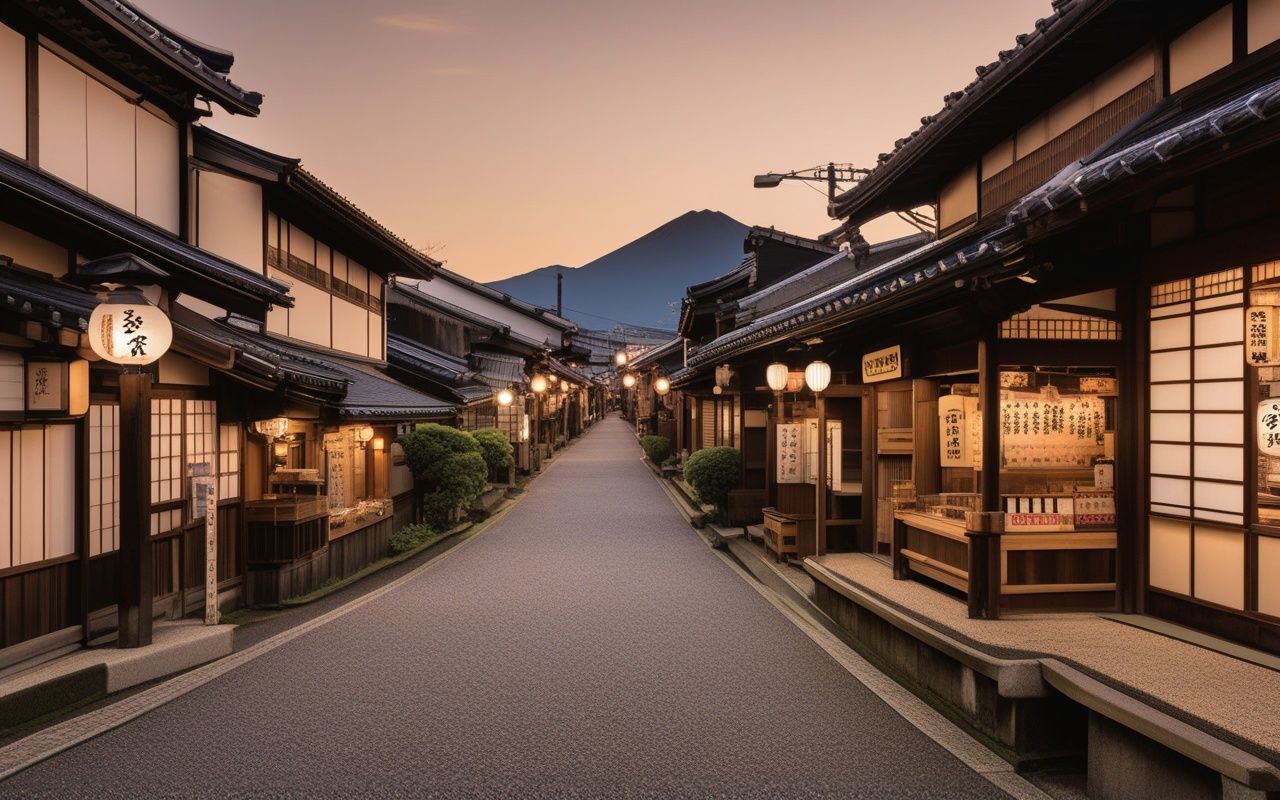
After the museum, a 15-minute taxi brings you back to Hon-Atsugi Station — and the town’s retro shopping streets. Atsugi grew rapidly in the post-war decades as a dormitory town and military-city neighbor (the U.S. Naval Air Facility Atsugi is nearby), and its shopping arcades retain a distinct Showa-era character that the mall-ification of most Japanese towns never touched.
The main arcade, Marunaka Shotengai, runs a few blocks from the station’s south exit. It is a covered shopping street with butcher shops, fishmongers, a coin-operated retro game arcade, and a series of tiny izakaya and coffee shops where time genuinely seems to have stopped in the 1970s. On my visit, an elderly shopkeeper insisted on showing me the neighborhood’s old photo album — the kind of interaction that makes you realize how few places like this remain.
What to Do
- Walk the arcades — Marunaka Shotengai and its side alleys are the highlight. Go in the late afternoon when the shops are open and the evening crowd begins to gather.
- Coffee at a retro kissaten — The town has several old-style coffee shops serving hand-dripped coffee with the traditional heavy silver pot. A perfect post-museum rest stop.
- Izakaya hop at night — Atsugi’s izakaya row near the station is famous among locals for its atmosphere. For a deeper look at this style of dining, see the Yokohama izakaya guide, which covers the same culture in the city.
- The game arcade — A small retro arcade with genuine 1980s cabinets. Bring ¥1,000 in coins; you will spend all of it.
A Note on the Neighborhood
The area around the U.S. base retains a slightly different character — a mix of American-style diners, jazz bars, and shops serving a fusion of Japanese and American tastes that dates to the post-war occupation era. It is a fascinating micro-culture that is easy to miss; walk the streets around the station’s north exit to find it.
🍶 The Breweries of the Atsugi Region
Atsugi and Zama sit in the same water-rich basin that makes western Kanagawa a brewing center. The region’s breweries use soft spring water from the Tanzawa range, and several offer tasting rooms and tours.
Breweries to Visit
- Sake breweries — The area has several long-established kura (breweries) producing local sake. Many have small tasting corners where you can sample three or four varieties with a small fee. The water’s softness makes the sake noticeably cleaner and lighter than Tokyo equivalents.
- Craft breweries — The region’s craft beer scene has grown in recent years. For a full guide to the breweries and their tasting rooms, see the Kanagawa craft beer guide, which covers Atsugi-area spots alongside the rest of the prefecture.
- Brewery etiquette — Tastings are usually ¥500-1,000 for a flight. Ask for “kikizake” (sake tasting) if you want to sample. Most breweries require no reservation for the tasting corner, but tours need advance booking.
Where to Eat
The region’s food culture is anchored by the same spring water: tofu, soba, and the local specialty of “Atsugi tofu” — a dense, sweet variety served grilled. Several restaurants near the station serve set meals built around it. For a broader look at local dining, see the Kanagawa local production guide.
🗓️ Sample Itinerary: The Car Culture Day
Morning (9:00-13:00)
- 8:30 — Depart Shinjuku on the Odakyu Limited Express to Hon-Atsugi (55 min).
- 9:30 — Taxi to the Nissan Heritage Collection (15 min). Arrive for your 10:00 reservation.
- 10:00-11:30 — Guided tour of the collection. Focus on the GT-R hall and the Le Mans corner.
- 11:30-12:30 — Optional second loop of the museum (the guided tour covers specific cars; a second walk lets you revisit favorites).
- 12:30 — Taxi back to Hon-Atsugi Station.
Afternoon (13:00-18:00)
- 13:00 — Lunch near the station: Atsugi tofu set or a bowl of soba from the arcade shops.
- 14:00 — Walk the Marunaka Shotengai arcade. Stop for retro coffee at a kissaten.
- 15:30 — Visit a local brewery’s tasting corner (sake or craft beer).
- 16:30 — Optional: the retro game arcade or the base-adjacent quarter.
- 17:30 — Early izakaya dinner in the retro quarter.
- 19:00 — Return train to Tokyo.
If You Have More Time
- Combine with Odawara — Atsugi is on the same Odakyu line as Odawara (20 min further west). The Odawara castle town makes a natural second stop.
- Combine with Yokohama — The JR Sagami Line connects to the Yokohama Line at Hashimoto. A two-day trip pairing Atsugi’s car culture with Yokohama’s sights works well.
- Visit on a weekday — The museum is quieter, and the retro arcade is open. Weekends add festival-like energy to the arcade but longer queues at the museum entrance.
📅 Seasonal Notes
- Spring and autumn — The best seasons. Mild weather for walking the arcades, and the museum’s grounds are pleasant.
- Summer — Hot and humid. The museum is air-conditioned; the arcades are covered but warm.
- Winter — Cold but clear. The museums and izakayas are warm, and the sake tasting rooms are at their coziest.
💡 Practical Tips
- Book the museum early — The reservation system fills 2-3 weeks out. Book before you plan anything else.
- Allow buffer time — Taxis in Zama are plentiful at the station but scarcer near the museum. Book a return taxi with your driver, or use the bus.
- The museum has no cafe — Eat before you go or bring snacks (vending machines only inside).
- Carry cash — The retro arcades and many izakayas are cash-only.
- Respect the machinery — The museum cars are genuine artifacts, many still drivable. Do not touch the displays or lean over barriers.
Conclusion
Atsugi and Zama are living proof that Japan’s most rewarding destinations are rarely the ones in the guidebooks. A museum with over 400 of the world’s most significant Japanese cars, tucked inside a working factory complex; a shopping arcade that has barely changed since the 1970s; and a brewing culture built on the same clean water as the region’s mountains — all within an hour of Tokyo. For car enthusiasts it is a pilgrimage site, but even for the rest of us, the day offers a rare glimpse of the Japan that tourists usually miss.
FAQ
Q: Do I need a reservation for the Nissan Heritage Collection?
A: Yes, absolutely. Reservations are mandatory and made through the official website. Weekend slots often book out 2-3 weeks in advance.
Q: Is the collection suitable for non-car enthusiasts?
A: The sheer visual spectacle — hundreds of beautifully preserved vehicles — appeals to most visitors, and the guides are engaging. But it is fundamentally a car museum; if classic cars do not interest you, budget less time here.
Q: Can I combine Atsugi with a day trip from Tokyo?
A: Yes. The round trip from Shinjuku takes about 2 hours total, and the museum plus the retro quarter fit comfortably into a single day.
Q: Are there English tours at the museum?
A: English tours are available but limited in number. Request one when making your reservation; they fill fast.