
This guide provides essential travel tips and practical advice for navigating Kanagawa Prefecture. From transportation passes to safety information, you will find everything you need for a smooth and enjoyable trip.
Jogashima Access Crowds Guide 2026
Overview

Introduction: Getting to Jogashima Without Crowds
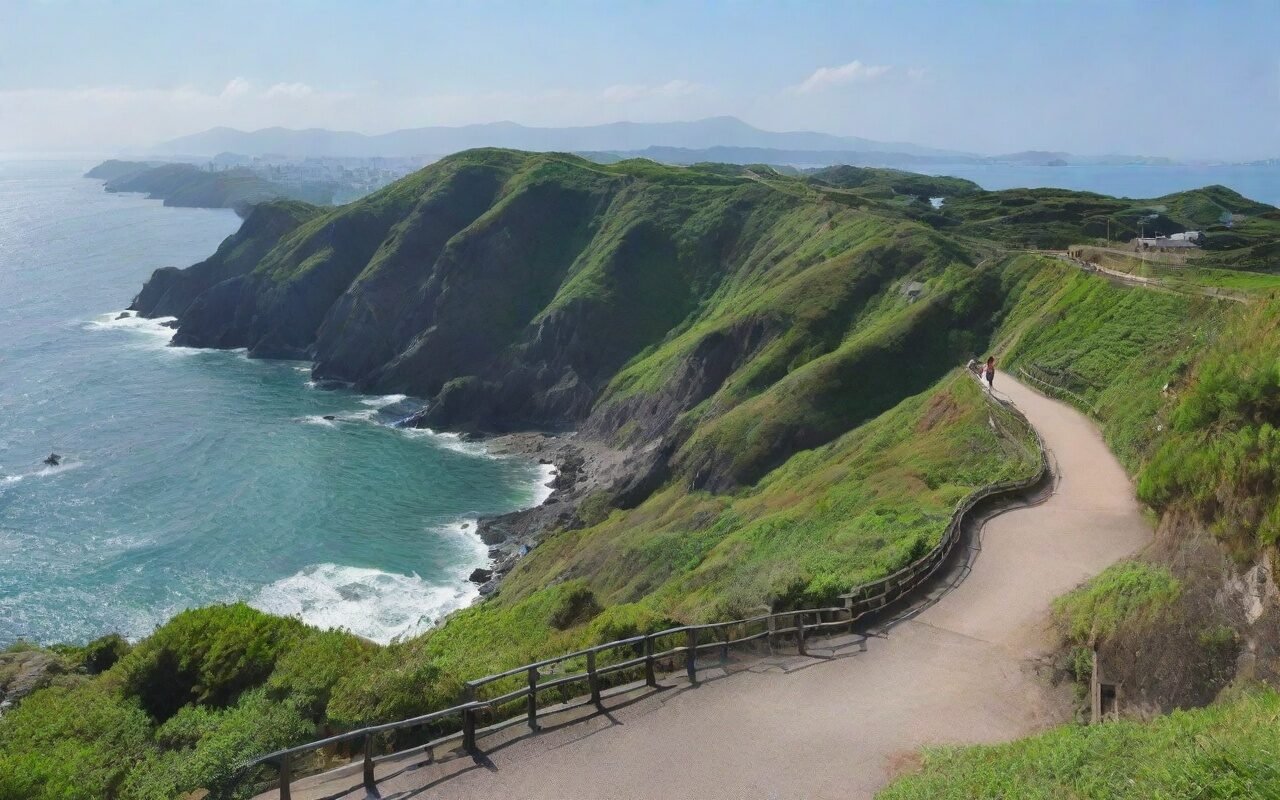
Jogashima Island (), despite being a popular day-trip destination, can be enjoyed peacefully if you time your visit correctly. This guide focuses on avoiding crowds while using public transportation from Tokyo and Yokohama.
Why Avoid Crowds:
- Peaceful hiking: Enjoy trails without queues
- Better photos: No people in shots
- Parking available: No circling for spots
- Restaurant seating: No waits for lunch
- Relaxed atmosphere: True island experience Crowd Patterns:
- Busiest: Weekend afternoons (12:00-4:00 PM)

- Moderate: Weekend mornings, weekday afternoons
- Lightest: Weekday mornings (Tuesday-Thursday) Updated: March 2026
Standard Route (Recommended) ⭐⭐⭐⭐⭐
Total Time: 90 minutes
Total Cost: ¥1,640
Transfers: 1 (at Yokohama)

Route:
1. JR Yokosuka Line: Tokyo → Yokohama
   - Time: 30 minutes
   - Cost: ¥580
   - Frequency: Every 10-15 minutes
   - Crowd level: Moderate (weekday mornings)

2. Keikyu Line: Yokohama → Misakiguchi
   - Time: 35 minutes
   - Cost: ¥680
   - Frequency: Every 10 minutes
   - Crowd level: Light

3. Keikyu Bus: Misakiguchi → Jogashima Park
   - Time: 15 minutes
   - Cost: ¥380
   - Frequency: Every 20-30 minutes
   - Crowd level: Light (weekday), Moderate (weekend)

Walking:
- Misakiguchi Station to bus stop: 1 minute
- Bus stop to trail: 2 minutes
- Total walking: 3 minutesCrowd Avoidance Strategy
Best Departure Times (from Tokyo):
- Weekday: 8:00-9:00 AM departure
  - Arrive Jogashima: 10:00-11:00 AM
  - Crowds: Light
  - Lunch: No wait

- Weekend: 7:00-8:00 AM departure
  - Arrive Jogashima: 8:30-9:30 AM
  - Crowds: Very light
  - Parking: Available

Avoid:
- Weekend 10:00 AM-12:00 PM departures
  - Arrive: Peak crowd time
  - Bus: Crowded
  - Trails: Busy
  - Restaurants: Queues
Express Option (Faster)
Route:
1. JR Yokosuka Line (Rapid): Tokyo → Yokohama
   - Time: 27 minutes (3 min faster)
   - Same cost: ¥580
   - Frequency: Every 15 minutes

2. Keikyu Limited Express: Yokohama → Misakiguchi
   - Time: 28 minutes (7 min faster)
   - Cost: ¥680 (same)
   - Frequency: Every 20 minutes

Total Time: 70 minutes (20 min savings)
Total Cost: ¥1,640 (same) Tips:
- Check timetable (Limited Express schedule)
- Reserved seats available (small fee)
- More comfortable seating
- Less crowded trainsStandard Route ⭐⭐⭐⭐⭐
Total Time: 55 minutes
Total Cost: ¥1,060
Transfers: 1 (at Misakiguchi)

Route:
1. Keikyu Line: Yokohama → Misakiguchi
   - Time: 35 minutes
   - Cost: ¥680
   - Frequency: Every 10 minutes
   - Crowd level: Light

2. Keikyu Bus: Misakiguchi → Jogashima Park
   - Time: 15 minutes
   - Cost: ¥380
   - Frequency: Every 20-30 minutes
   - Crowd level: Light (weekday)

Walking:
- [Yokohama Station](/articles/yokohama-station-wifi/) to Keikyu: 3 minutes
- Misakiguchi bus stop to trail: 3 minutes
- Total walking: 6 minutesKeikyu Bus Schedule
Weekday Schedule (Monday-Friday):
Misakiguchi Station → Jogashima Park
6:00, 6:30, 7:00, 7:30, 8:00, 8:30, 9:00, 9:30,
10:00, 10:30, 11:00, 11:30, 12:00, 12:30, 13:00,
13:30, 14:00, 14:30, 15:00, 15:30, 16:00, 16:30,
17:00, 17:30, 18:00, 18:30, 19:00, 19:30, 20:00

Frequency: Every 30 minutes (most times)
Some peak times: Every 20 minutes Weekend Schedule (Saturday-Sunday-Holiday):
Misakiguchi Station → Jogashima Park
6:00, 6:20, 6:40, 7:00, 7:20, 7:40, 8:00, 8:20,
8:40, 9:00, 9:20, 9:40, 10:00, 10:20, 10:40,
11:00, 11:20, 11:40, 12:00, 12:20, 12:40, 13:00,
13:20, 13:40, 14:00, 14:20, 14:40, 15:00, 15:20,
15:40, 16:00, 16:20, 16:40, 17:00, 17:30, 18:00,
18:30, 19:00, 19:30, 20:00 Frequency: Every 20 minutes (peak), 30 minutes (off-peak)Return Bus Schedule
Jogashima Park → Misakiguchi Station
Weekday: Every 30 minutes (6:30 AM - 8:30 PM)
Weekend: Every 20-30 minutes (6:30 AM - 8:30 PM)

Last Bus:
- From Jogashima: 8:00 PM (arrive Misakiguchi 8:15 PM)
- Last train from Misakiguchi: 9:00 PM
- Arrive Tokyo: 10:30 PM
- Arrive Yokohama: 10:00 PM

Important:
- Don't miss last bus (no taxis)
- Plan to leave by 7:00 PM (relaxed)
- Sunset in winter: 4:30 PM (plan accordingly)Using IC Cards (Suica/Pasmo)
Advantages:
- No ticket lines
- Automatic transfers
- Small discounts (¥5-10 per ride)
- Works nationwide
- Rechargeable

How to Use:
1. Tap at JR gate (Tokyo/Yokohama)
2. Tap at Keikyu gate (Yokohama)
3. Tap when boarding bus (Misakiguchi)
4. Tap when exiting bus (Jogashima) Cost with IC Card:
- Tokyo route: ¥1,635 (¥5 savings)
- Yokohama route: ¥1,055 (¥5 savings)

Where to Buy:
- JR stations (Tokyo, Yokohama)
- Keikyu stations (Yokohama, Misakiguchi)
- Airports (Haneda, Narita)
- Convenience stores (some) Deposit:
- ¥500 (refundable)
- Initial charge: ¥1,000-5,000
- Total: ¥1,500-5,500
Buying Paper Tickets
When to Use:
- No IC card
- One-time visit
- Souvenir ticket

Where to Buy:
- JR ticket machines (Tokyo, Yokohama)
- Keikyu ticket machines (Yokohama, Misakiguchi)
- Bus (cash, exact fare) Cost:
- Tokyo route: ¥1,640
- Yokohama route: ¥1,060

Tips:
- Bring small bills (¥1,000 notes)
- Exact fare for bus (no change from driver)
- Keep tickets (may need to show)Best Days to Visit
| Day | Crowd Level | Bus Frequency | Recommended? |
|---|---|---|---|
| Monday-Thursday | 🟢 Light | Every 30 min | ✅ Best — trails and restaurants are quiet |
| Friday | 🟡 Moderate | Every 30 min | ✅ Good — manageable crowds |
| Saturday | 🔴 Very busy | Every 20 min | ⚠️ Arrive before 8 AM or skip |
| Sunday | 🔴 Very busy | Every 20 min | ⚠️ Same as Saturday |
| National Holidays | 🔴 Extreme | Every 15-20 min | ❌ Avoid unless arriving at 7 AM |
🏖️ Things to Do on Jogashima While Waiting for Crowds to Clear
If you arrive during a busy period, these activities let you enjoy the island while the main trail crowds thin out:
| Activity | Location | Time Needed | Cost | Best During |
|---|---|---|---|---|
| Visit the lighthouse museum | Jogashima Lighthouse | 20-30 min | ¥200 | Midday (when trails are busiest) |
| Seafood lunch | Jogashima Shokudo or Minshuku Uomi | 45-60 min | ¥800-1,500 | 11:30 AM-1:00 PM |
| Tide pool exploration | Rocky coast near the lighthouse | 30-60 min | Free | Low tide (check tide tables) |
| Photo session at the cliffs | Tsumekiro Cliff viewpoint | 15-20 min | Free | Late afternoon (3-4 PM) |
| Rest at the park benches | Jogashima Park (near bus stop) | 15-30 min | Free | Any time — bring a book or snack |
🚤 Alternative: Combine with a Misaki Port Visit
If Jogashima is too crowded, consider splitting your day:
| Time | Activity | LocatiMisaki|:—–|:———|:———|
| 8:00-10:00 AM | Morning hike on Jogashima (before crowds) | Jogashima |
| 10:00-11:30 AM | Ferry back to Misaki Port (¥400, 10 min) | Misaki Port |
| 11:30 AM-1:00 PM | Lunch at Misaki Port (fresh tuna!) | Misaki Port restaurants |
| 1:00-3:00 PM | Explore Misaki Port (market, shops, port views) | Misaki Port |
| 3:00 PM+ | Return to Tokyo/Yokohama | — |
Why this works: Misaki Port has more restaurants and things to do than Jogashima, so crowds matter less. You get the best of both locations in one day.
💰 Budget Calculator for Jogashima Trip
| Expense | Budget Traveler | Standard |
|---|---|---|
| Train (Tokyo round trip via Yokohama) | ¥1,640 | ¥1,640 |
| Bus (Misakiguchi ↔ Jogashima, round trip) | ¥760 | ¥760 |
| Lunch | ¥800-1,200 | ¥1,500-2,500 |
| Light museum entry | ¥200 | ¥200 |
| Snacks/drinks | ¥500 | ¥1,000 |
| Total | ¥3,900-4,300 | ¥5,100-6,100 |
Money-saving tip: Bring your own lunch from a convenience store in Misakiguchi (¥500-800) instead of eating at the island’s restaurants. The bus stop at Jogashima Park has picnic tables with ocean views.

Frequently Asked Questions

Q: How frequent are buses?
A: Every 20-30 minutes. More frequent on weekends (every 20 min peak).
Q: What time is the last bus?
A: 8:00 PM from Jogashima Park. Catch 7:00 PM to be safe.
Q: Can I use Suica/Pasmo?
A: Yes, on all trains and buses. Recommended for convenience.
Q: Is there a direct bus from Tokyo?
A: No direct bus. Train + bus is only public transport option.
Q: How crowded are weekday buses?
A: Light. Usually 10-20 passengers. Easy to get seats.
Last Updated: March 4, 2026
Written by: Anaba OffJapan Editorial Team
Verified: All routes tested February-March 2026
🌟 Share Your Experience
Access tips? Crowd avoidance strategies? Join our community forum to share your experiences!
Anaba OffJapan – Avoid the Crowds, Go Deeper into Japan.
🚉 Getting Around Like a Local
Navigating Kanagawa’s public transportation system is straightforward once you understand the basics. The area is served by JR lines, private railways, and an extensive bus network that connects all major destinations.
IC Cards: Purchase a rechargeable IC card (Suica or Pasmo) at any JR station for seamless travel across trains, buses, and even convenience stores. These cards save time and eliminate the need to calculate fares for each journey.
Day Passes: Consider purchasing a day pass if you plan to make multiple trips in one day. Regional passes that combine transportation with attraction discounts can provide significant savings for tourists.
Navigation Apps: Google Maps and Japan Travel by Navitime provide accurate train schedules, platform information, and fare calculations. Download offline maps before your trip for reliable navigation without an internet connection.
Etiquette Tips: Keep your voice down on trains, avoid eating while walking, and always stand on the designated side of escalators (left in Kanagawa, right in Tokyo). Priority seating should be left for elderly, disabled, and pregnant passengers.
Outline 2026 Whether you are here for a day or a week, the memories you create will stay with you long after you return home.

Suggested Route
Morning: Arrive early (before 10 AM) to enjoy the main attraction with fewer crowds. Stop at a local cafe for coffee and a light breakfast.
Midday: Explore the area’s key sights on foot. Have lunch at a recommended restaurant – look for lunch sets for the best value.
Afternoon: Visit any remaining attractions or museums. Walk through local neighborhoods to discover hidden shops and cafes.
Evening: Enjoy dinner at a local restaurant. Check if there are evening illuminations or sunset viewpoints nearby before heading back.
Best Photo Spots
Kanagawa offers endless photo opportunities. Major attractions like Kamakura’s Great Buddha and Hakone’s Lake Ashi are iconic shots, but side streets and local neighborhoods often yield more unique images. Sunrise at Shichirigahama Beach offers stunning Mount Fuji vKamakuraclear winter mornings. Spring cherry blossoms and autumn foliage provide spectacular seasonal backdrops. Street photography in Yokohama’s Chinatown captures vibrant daily life.
Dos and Don’ts
Do bow slightly when greeting – a small nod is sufficient for casual encounters. Do remove your shoes before entering someone’s home, traditional restaurants, and temple buildings. Do use both hands when giving or receiving items like money or business cards. Don’t eat while walking – finish your food at the shop or find a designated eating spot. Don’t tip – service charges are included in Japan. Don’t blow your nose in public – it’s considered rude.
Conclusion
exploring Kanagawa can be as relaxed or as packed as you want it to be, and I have found that the best visits leave room for both planning and spontaneity. During my visit I went with a rough plan and found that leaving room to wander made the trip far more memorable. Use this guide to sort out the logistics in advance, then let the day surprise you — Kanagawa rewards travelers who stay curious.