
Introduction

🏯 What Makes Ryokan Different from Hotels
| Feature | Ryokan | Western Hotel |
|---|---|---|
| Flooring | Tatami mats throughout | Carpet or wood |
| Bedding | Futon laid out nightly on tatami | Fixed bed |
| Shoes | Removed at entrance | Worn throughout |
| Clothing | Yukata robe provided (wear freely) | Bathrobe optional |
Kanagawa Ryokan Guide 2026nn## OverviewnnStaying at a ryokan — traditional Japanese inn — is one of the most memorable Kanagawa experiences. From Hakone luxury ryokan to Kamakura temple-adjacent inns.nn## What to ExpectnnCheck-in 3-5 PM. Remove shoes. Served tea and sweet. Change into yukata. Dinner (kaiseki) 6-7 PM. Futon laid out while you visit onsen. Breakfast 7-8 AM. Check-out 10 AM.nn## Top RyokannnGora Kadan (¥80,000-150,000, former imperial villa). Hakone Suimeisou (¥20,000-35,000, beautiful garden). Yamatoya (¥25,000-40,000, Lake Ashi views). Kamakura Hanaya (¥15,000-25,000, peaceful garden).nn## KaisekinnMulti-course kaiseki dinners showcase seasonal ingredients in 8-12 beautifully presented courses. Quality rivals Michelin-starred restaurants.nn## BookingnnBook 2-3 months ahead. Use Jalan.net or Rakuten Travel for best selection. Strict cancellation policies.nn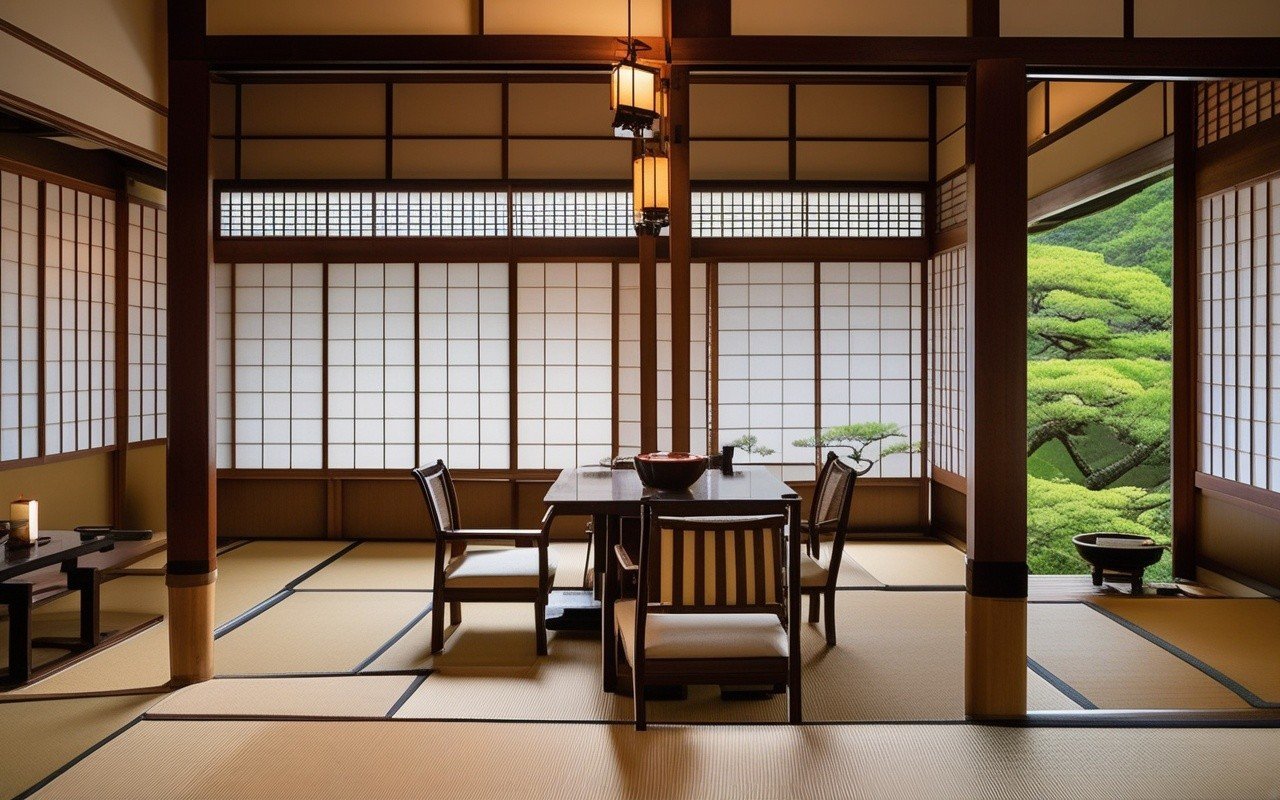

Overview
🏡 Top Ryokan by Experience Type
Best for First-Time Ryokan Visitors
| Ryokan | Rate/person | Why It’s Great |
|---|---|---|
| Hakone Suimeisou (Miyanoshita) | ¥20,000-35,000 | Beautiful Japanese garden, English-friendly, excellent kaiseki at mid-range price |
| Yamatoya (Lake Ashi) | ¥25,000-40,000 | Lake Ashi and Mount Fuji views from room, traditional atmosphere |
Best for Luxury Seekers
| Ryokan | Rate/person | Highlight |
|---|---|---|
| Gora Kadan (Gora) | ¥80,000-150,000 | Former imperial villa, private tea ceremony, Michelin-level kaiseki |
| Hakone Ginyu (Gora) | ¥50,000-100,000 | All rooms with private open-air onsen, modern luxury |
Best for Budget-Conscious
| Ryokan | Rate/person | Why Affordable |
|---|---|---|
| Yama no Chaya (Miyanoshita) | ¥15,000-22,000 | Traditional charm without luxury price tag |
| Hakone Atami Kaiko | ¥12,000-18,000 | Simple ryokan with good onsen, near Hakone-Yumoto |

Best for Cultural Immersion
| Ryokan | Highlight |
|---|---|
| Fujiya Hotel (Miyanoshita) | Historic 1878 property, European-Japanese fusion architecture |
| Kamakura Hanaya (Kamakura) | Peaceful garden, Buddhist temple atmosphere, vegetarian shojin ryori option |
⏰ The Ryokan Schedule: Hour by Hour
A typical ryokan stay follows a structured schedule. Here’s what to expect:
| Time | Activity |
|---|---|
| 3:00 PM | Check-in. Remove shoes at entrance. Served tea and wagashi (traditional sweet) in lounge or room. Review dinner and breakfast timing with staff. |
| 3:30 PM | Change into yukata (provided in room). Visit onsen before dinner (less crowded). |
| 5:00 PM | Pre-dinner onsen or walk in garden. Local beer or sake at lounge. |
| 6:00-7:00 PM | Kaiseki dinner begins. Served in your room or private dining area. 8-12 courses over 1.5-2 hours. |
| 8:00 PM | After dinner, futon will be laid out while you visit onsen again (night bathing is a different experience). |
| 9:00 PM | Second onsen visit (night time — quieter, stars visible from rotenburo). |
| 7:00-8:00 AM | Breakfast served (Japanese or Western option). |
| 8:30 AM | Final onsen before check-out. |
| 10:00 AM | Check-out. Staff will see you off with bows. |
🍽️ Kaiseki: The Heart of the Ryokan Experience
Kaiseki (懐石) is a multi-course Japanese dinner that is the culinary highlight of a ryokan stay. A typical kaiseki includes:
- Sakizuke (先付): Opening bite-sized appetizer
- Mukozuke (向付): Sashimi course — seasonal raw fish
- Hassun (八寸): Seasonal platter — often the most photogenic course
- Yakimono (焼物): Grilled course — fish or meat
- Takiawase (煮合): Simmered vegetables in dashi broth
- Shokuji (食事): Rice, miso soup, pickles — served near the end
- Mizumono (水物): Dessert — seasonal fruit or sweet
Tip: Pace yourself — the first courses are small but they add up. The sushi/sashimi course is usually early in the sequence. Eat in the order served and observe how each plate complements the next.
👘 Ryokan Etiquette: A Quick Guide
- Yukata: Wear it for dinner and onsen visits. Left side over right (right over left is for funerals). Obi (belt) goes at waist level.
- Slippers: Wear in hallways. Remove before stepping onto tatami (never wear slippers on tatami =
- Onsen: Wash thoroughly before entering. No towels in water. No swimsuits. Check for tattoo policies.
- Meals: It’s customary to say “Itadakimasu” before eating and “Gochisousama” after, Slurping noodles is polite.
- Futon: Don’t sit on or step on other guests’ futons.
How to Get There
To ryokan in Hakone: Odakyu Romancecar from Shinjuku to Hakone-Yumoto (85 minutes). Many ryokan offer free shuttle pick-up. The Gora and Miyanoshita areas have the highest concentration.
To ryokan in Yugawara: JR Tokaido Line from Tokyo to Yugawara (90 minutes). Yugawara’s ryokan are clustered around the station and along the Fuji River.
To ryokan near Odawara: JR Tokaido Shinkansen from Tokyo to Odawara (35 minutes). Several ryokan in the Odawara area offer peaceful garden settings.
To temple lodging (shukubo) in Kamakura: JR Yokosuka Line from Tokyo to Kamakura (1 hour). Some temples offer traditional accommodation with vegetarian Buddhist meals.
🏡 Ryokan by Budget and Area: Quick Selection Guide
| Budget | Hakone | Yugawara | Kamakura | Odawara |
|---|---|---|---|---|
| ¥10,000-20,000 | Yama no Chaya (Miyanoshita) | Hotel Manyotei | Kamakura Hanaya | Odawara Station Hotel |
| ¥20,000-40,000 | Hakone Suimeisou (Miyanoshita) | Yoshinoden | — | — |
| ¥40,000-80,000 | Yamatoya (Lake Ashi) | Gyokureikan | — | — |
| ¥80,000-150,000 | Gora Kadan, Hakone Ginyu | — | — | — |
For first time: Hakone Suimeisou (¥20,000-35,000) — perfect introduction with English staff, beautiful garden, and excellent kaiseki at a reasonable price point.
For luxury: Gora Kadan (¥80,000-150,000) — America’s 5th largest emperor villa, now a ryokan with Michelin-level dining.
For budget: Yama no Chaya (¥15,000-22,000) — authentic atmosphere without the luxury markup.
🧳 What to Pack for Your Ryokan Stay
| Item | Why You Need It | Can You Borrow? |
|---|---|---|
| Comfortable socks | You’ll be barefoot or in slippers — floors are cold in winter | ❌ Bring your own |
| Toiletries | Most ryokan provide basic amenities but bring your favorites | ✅ Yukata, towels, toothbrush, shampoo, soap provided |
| Swimsuit | Some ryokan have a pool or private rental onsen (uncommon) | ❌ Bring if needed |
| Small gift (omiyage) | A small token from your country for the innkeeper (optional but appreciated) | ❌ Bring if visiting smaller ryokan |
| Phone charger | Power outlets are standard (100V, same as US/Canada) but may be limited | ❌ Bring a multi-port charger |
| Snacks | Dinner and breakfast are generous, but you might want a small snack between meals | ❌ Convenience stores in Hakone-Yumoto and Gora |
| Reading material | Evenings are quiet — no TV channels in English | ❌ Bring a book or Kindle |
| Day bag | Leave main luggage at ryokan, carry essentials for sightseeing | ❌ Bring a compact daypack |
🌸 Seasonal Highlights at Kanagawa Ryokan
| Season | Experience | Best Ryokan |
|---|---|---|
| Spring (Mar-May) | Cherry blossoms in garden, fresh bamboo shoots in kaiseki | Hakone Suimeisou (garden with cherry trees) |
| Summer (Jun-Aug) | Cool mountain air, river views, firefly viewing near ryokan | Yamatoya (Lake Ashi breeze) |
| Autumn (Sep-Nov) | Peak foliage, mushroom and chestnut courses in kaiseki, outdoor onsen in cool air | Gora Kadan (private garden with maples) |
| Winter (Dec-Feb) | Snow on outdoor onsen, hot stone heating, hot pot (nabe) dinners | Hakone Ginyu (private open-air onsen with snow views) |
🚌 Getting Between Ryokan Areas
If you’re staying at multiple Kanagawa ryokan (or combining ryokan with other accommodation), here’s how to travel between areas:
| Route | Transport | Time | Cost |
|---|---|---|---|
| Hakone-Yumoto → Gora | Hakone Tozan Railway (switchback train) | 40 min | ¥620 |
| Hakone → Yugawara | Bus or taxi (no direct train) | 40 min | ¥500-800 (bus) |
| Hakone → Kamakura | Hakone-Yumoto → Odawara → Fujisawa → Kamakura | 2 hours | ¥2,000 |
| Hakone → Odawara | Hakone Tozan Railway → Odawara | 30 min | ¥540 |
| Kamakura → Yugawara | Kamakura → Yokohama → Tokyo → Yugawara | 2.5 hours | ¥2,500 |
Luggage tip: Use takkyubin (luggage forwarding) between ryokan so you don’t have to carry suitcases on the switchback trains. Your front desk at the first ryokan can arrange it — delivery takes 24 hours within the same prefecture.
❌ Common Ryokan Mistakes to Avoid
- Arriving after dark: Ryokan are often in rural areas with minimal street lighting. Try to arrive by 4 PM, especially in winter (sunset at 4:30 PM).
- Skipping the kaiseki: This is THE highlight. Don’t eat before arriving — the kaiseki is filling and you’ll regret filling up on convenience store snacks.
- Booking room only: Adding half-board (dinner + breakfast) costs ¥4,000-6,000 extra but replaces ¥15,000-25,000 worth of dining. Always choose half-board.
- Missing the onsen schedule: The women’s and men’s baths often swap morning/evening. Check the rotation at check-in.
- Wearing shoes on tatami: This damages the mats. Change into slippers at every tatami threshold.
Frequently Asked Questions
Q: Q: What’s included in a ryokan stay?
A:** A: Tatami room with futon bedding, yukata robe, evening kaiseki dinner (8-12 courses), Japanese breakfast, and access to onsen baths. Most Hakone ryokan include all of these. Some offer welcome tea service and a small gift at check-out.
Q: Q: How do I choose a ryokan in Hakone?
A:** A: Three factors: (1) Area — Gora for luxury, Miyanoshita for classic, Lake Ashi for views; (2) Budget — from ¥15,000 (Yama no Chaya) to ¥150,000 (Gora Kadan); (3) Priorities — want in-room dining? Private onsen? English-speaking staff? Read reviews for your specific needs.
Q: Q: What time is dinner served?
A:** A: Typically 6:00-7:30 PM. The kaiseki takes 1.5-2 hours. If you arrive late (after 5 PM), inform the ryokan in advance so they can adjust the dinner timing.
Q: Q: Can I stay just one night?
A:** A: Yes, one-night stays are standard. However, two nights is recommended — the first night you settle in, the second night you truly relax and enjoy the onsen rhythm.
Q: Q: Do I need to speak Japanese to stay at a ryokan?
A:** A: Major ryokan (Gora Kadan, Suimeisou) have English-speaking staff. Smaller ryokan welcome you warmly with gestures and smiles. Learn: “Ohayou gozaimasu” (good morning) and “Arigato gozaimasu” (thank you).
Summary: The Ryokan Experience Is Worth Every Yen
A ryokan stay is more than accommodation — it’s a cultural immersion that combines Japan’s finest hospitality (omotenashi), cuisine (kaiseki), and tradition (tatami, onsen). The cost may seem high, but consider that a comparable kaiseki dinner alone costs ¥15,000-25,000 at a top Tokyo restaurant.
Three takeaways for your ryokan stay:
- Book 2-3 months ahead: The best ryokan fill up quickly, especially for weekends and foliage season
- Request dietary needs early: 7+ days notice is required for vegetarian/vegan/halal meals
- Embrace the schedule: The structured rhythm (onsen → kaiseki → onsen → futon → onsen → breakfast) is the point — don’t rush it For specific ryokan recommendations, see our Hakone Ryokan Guide and Hakone Onsen Guide.
Best Time to Visit
The ideal seasons for visiting Kanagawa are spring (March-May) and autumn (September-November) when temperatures are moderate and rainfall is minimal. Summer offers vibrant festivals and beach activities despite the humidity. Winter provides crisp clear days perfect for photography and sightseeing with fewer tourists.
nn### Nearby RecommendationsnnIf you have extra time, the surrounding area offers several worthwhile additions to your itinerary. Local tourist information centers can provide maps and suggestions for combining nearby attractions into an efficient route. Many areas offer combination tickets that save money compared to buying individual admission tickets. Consider extending your stay to explore neighboring towns and villages.nnn### Local TipsnnFor the best experience, locals suggest exploring side streets away from the main tourist areas. Some of the best restaurants and shops are hidden down narrow alleys. Ask your accommodation staff for their personal recommendations – they often know the best local spots not found in guidebooks. If you see a line of locals waiting outside a restaurant, join it – it’s usually worth the wait.n
Conclusion
The details in this guide come from real visits, and the biggest lesson I took away was that the best experiences in Kanagawa rarely fit neatly into a checklist. During my visit I went with a rough plan and found that leaving room to wander made the trip far more memorable. Plan the essentials, keep your schedule flexible, and you will leave Kanagawa wanting to return.