
This guide provides essential travel tips and practical advice for navigating Kanagawa Prefecture. From transportation passes to safety information, you will find everything you need for a smooth and enjoyable trip.
Having visited these locations multiple times, I’ve gathered practical insights that go beyond typical tourist information.
💬 Traveler’s Note: I visited in the summer and the coastal breeze made the heat perfectly bearable. I recommend starting your day early to enjoy the beaches before the midday crowds arrive.
Introduction
Summer in Kanagawa means beaches, fireworks, and festivals. This guide covers the best beaches, major summer events, heat management tips, and how to make the most of the vibrant summer season.
🏖️ Kanagawa’s Best Beaches: A Detailed Comparison
Summer in Kanagawa means the Shonan coast comes alive. Here’s how the main beaches compare:
| Beach | Vibe | Activities | Best For | Crowd Level |
|---|---|---|---|---|
| Yuigahama (Kamakura) | Family-friendly | Swimming, paddleboarding | First-timers | High |
| Shichirigahama (Kamakura) | Surfer vibe | Surfing, windsurfing | Active visitors | Moderate |
| Kugenuma (Fujisawa) | Volleyball central | Beach volleyball, BBQ | Groups | High |
| Chigasaki (Chigasaki) | Relaxed surf | Surfing, cafe hopping | Couples | Moderate |
| Isshiki (Hayama) | Pristine | Swimming, snorkeling | Quality seekers | Low |
| Zushi (Zushi) | Quiet residential | Swimming, fishing | Families | Low |
Kanagawa Summer Guide 2026nn## OverviewnnSummer (June-August) means beach season on the Shonan coast. Swimmers and surfers crowd the beaches from July through August, Evening fireworks light up Yokohama Harbor. This guide covers beaches, fireworks, heat survival, and crowd navigation.nn## Best BeachesnnYuigahama (Kamakura) has gentle waves — ideal for families. Shichirigahama offers surfing and windsurfing. Kugenuma (Fujisawa) features volleyball. Chigasaki has relaxed surf culture. Isshiki (Hayama) offers the cleanest water. Beach season July 1-August 31, lifeguards 9 AM-5 PM.nn## FireworksnnYokohama Sparkling Twilight (July, 15,000 shells) — best viewed from Yamashita Park. Kamakura Fireworks (early August, 4,000 shells) at Yuigahama. Enoshima Fireworks (multiple August dates). Arrive 2-3 hours early.nn## Summer FoodnnFresh shirasu rice bowls, kakigori shaved ice, beer garden rooftops, nagashi somen cold noodles, hiyashi chuka cold ramen.nn## Heat SurvivalnnCarry a hand fan. Drink Pocari Sweat. Avoid outdoors 12 PM-3 PM. SPF 50+ sunscreen, Cooling towels (¥300-500). Watch for heatstroke signs.nn## Practical notesnnVisit on weekdays. Enoden queues 10 AM-3 PM. Go to beaches before 9 AM or after 4 PM, Morning activities are most comfortable. Evenings are perfect for fireworks and beer gardens.nn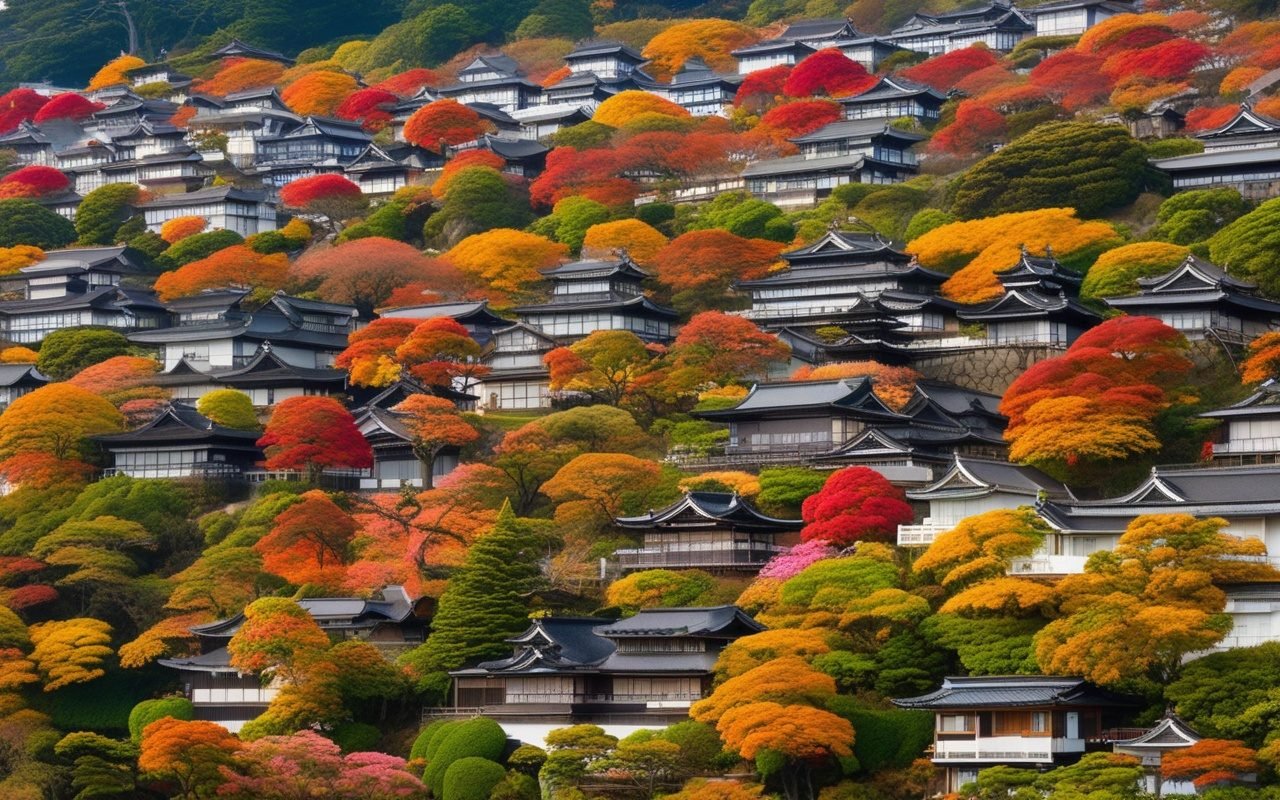
Access
Most visitors reach Kanagawa from central Tokyo by JR, private railway, or highway bus, and an IC card (Suica or Pasmo) works across all of them. From my experience, leaving Tokyo before the morning rush keeps the journey relaxed, and station luggage lockers are handy if you arrive early.
Overview
🎆 Fireworks Festival Guide: Where, When, and How to Watch
| Festival | Date | Shells | Best Viewing Spot | Arrival Time |
|---|---|---|---|---|
| Yokohama Sparkling Twilight | Mid-July | 15,000 | Yamashita Park | 2 hours early |
| Kamakura Fireworks | Early August | 4,000 | Yuigahama Beach | 2 hours early |
| Enoshima Fireworks | Multiple August dates | 3,000 | Enoshima Island | 1.5 hours early |
| Odawara Komagataze | Early August | 5,000 | Odawara Port | 1.5 hours early |
Insider tips:
- Bring a blue tarp (¥300 at Daiso) to claim ground space
- Convenience store bento boxes beat festival food prices by 50%
- The best photos are taken from a side angle, not directly under the shells
- Trains run extra services during fireworks — but expect 30-60 minute waits after the show ends
- Consider booking a hotel within walking distance (Yokohama’s waterfront hotels charge premium but save you the train nightmare)
🌡️ Heat Survival Guide: Staying Cool in Kanagawa Summer
Kanagawa summers average 28-33°C with 70-85% humidity. Heatstroke is a real risk. Here’s your survival kit:
What to Carry Daily
| Item | Purpose | Price |
|---|---|---|
| Pocari Sweat (500ml) | Electrolyte replacement | ¥150 (vending machine) |
| Cooling towel | Wrist/neck cooling | ¥300-500 (drugstore) |
| Hand fan | Immediate cooling | ¥200 (100-yen shop) |
| SPF 50+ sunscreen | UV protection | ¥1,000-1,500 |
| UV umbrella | Shade on the go | ¥1,000-2,000 |
| Portable battery fan | Continuous airflow | ¥2,000-3,000 (Yodobashi) |
Daily Schedule for Summer
- 6-9 AM: Outdoor activities (beach, temples, hiking) — this is your window
- 9 AM-12 PM: Museums, shopping, indoor attractions
- 12-3 PM: Avoid outdoors entirely. Have lunch in air conditioning, rest at hotel
- 3-5 PM: Secondary outdoor window (beach late afternoon is delightful)
- 5 PM+: Beer gardens, evening festivals, night illuminations
Heatstroke symptoms to watch for: Dizziness, headache, nausea, muscle cramps. If you experience these, move to shade immediately, drink water with salt, and cool your neck with a wet towel.
🍜 Summer Food Guide
| Dish | Description | Where to Try | Price |
|---|---|---|---|
| Kakigori | Shaved ice with syrup | Any beach house | ¥400-600 |
| Hiyashi chuka | Cold ramen with toppings | Ramen shops in Yokohama | ¥800-1,200 |
| Nagashi somen | Cold noodles flowing in bamboo | Hakone ryokan (requires booking) | ¥1,500-2,500 |
| Shirasu don | Fresh whitebait rice bowl | Kamakura’s Komachi-dori | ¥800-1,200 |
| Beer garden | Rooftop drinking | Yokohama Landmark Tower | ¥1,500 (drink set) |
Unique find: The beer garden atop Yokohama’s Landmark Tower (69th floor, ¥3,000 for all-you-can-drink 90 minutes) offers Mount Fuji views at sunset. Operates July-August. Reserve 1-2 weeks ahead.
How to Get There
To Shonan beaches: JR Tokaido Line from Tokyo to Kamakura (1 hour) or Fujisawa (50 minutes). From Fujisawa, take the Enoden tram to beaches.
To Enoshima during summer: Odakyu Limited Express from Shinjuku to Katase-Enoshima (65 minutes). Summer weekends are very crowded — take early morning trains.
To Yokohama fireworks events: JR Tokaido Line to Yokohama Station (25 minutes). Major fireworks events (August) attract huge crowds — arrive 2 hours early.
To Hakone for summer: Odakyu Romancecar from Shinjuku to Hakone-Yumoto (85 minutes). Book Romancecar seats 1 month ahead for summer weekends.
To Kamakura (summer temples): JR Yokosuka Line from Tokyo (1 hour). Early morning (before 9 AM) avoids the worst heat and crowds.

Nearby Recommendations
After exploring the main destination, consider visiting nearby attractions to maximize your time. Most areas in Kanagawa are within 20-30 minutes of each other by train. Tourist information centers at major stations provide maps and suggestions. Consider purchasing a day pass if you plan to visit multiple locations. Many hidden gems are just a few minutes off the main tourist path.
Local Tips
For the best experience, explore side streets away from main tourist areas. Some of the best restaurants and shops are tucked away in narrow alleys. Ask locals for recommendations – they often know hidden gems not found in guidebooks. If you see a line of locals waiting outside a restaurant, join it. Carry cash as many small shops and restaurants are cash-only.
Money-Saving Tips
Save money by eating lunch sets (teishoku) which offer great value at ¥900-1,500. Purchase day passes for unlimited train travel in specific areas. Convenience stores provide affordable meals and snacks. Book attractions online in advance for potential discounts. Many museums offer reduced admission during certain days or hours. Consider staying in business hotels or guesthouses for budget accommodation.

Packing Essentials
Pack comfortable walking shoes as most exploration is done on foot. Bring a reusable water bottle – tap water is safe throughout Japan. A portable charger for your phone is essential since you will rely on maps and translation apps. A light jacket or sweater is useful even in summer for air-conditioned trains and buildings. Pack a small umbrella for unexpected rain showers.
Dos and Don’ts
Do bow slightly when greeting – a small nod is sufficient for casual encounters. Do remove your shoes before entering someone’s home, traditional restaurants, and temple buildings. Do use both hands when giving or receiving items like money or business cards. Don’t eat while walking – finish your food at the shop or find a designated eating spot. Don’t tip – service charges are included in Japan. Don’t blow your nose in public – it’s considered rude.
What to Expect
Expect a mix of modern convenience and traditional culture. Temples and shrines coexist with shopping malls and entertainment complexes. Walking is the best way to explore most areas, so comfortable shoes are essential. Wifi is available at most stations and tourist facilities. Queuing etiquette is important – always wait in line and follow directional signs.
Conclusion
Whether you are planning exploring Kanagawa for its beach for the first time or returning for another visit, taking a little extra time to go beyond the obvious sights makes all the difference. During my visit I went with a rough plan and found that leaving room to wander made the trip far more memorable. I hope this guide helps you build an itinerary that fits your pace, and that your time in Kanagawa leaves you with memories worth coming back for.