
Kanagawa Tanabata Festival Guide – Top Events & Viewing Spots
Overview

The Tanabata Tradition
Before diving into specific festivals, it helps to understand the core elements of Tanabata that you will encounter at any celebration:
Tanzaku (短冊): Small strips of colored paper on which people write wishes and tie to bamboo branches. Each color traditionally represents a different wish: blue/green for personal growth, red for family and gratitude, yellow for friendship, white for duty and rules, and black/purple for career and studies.
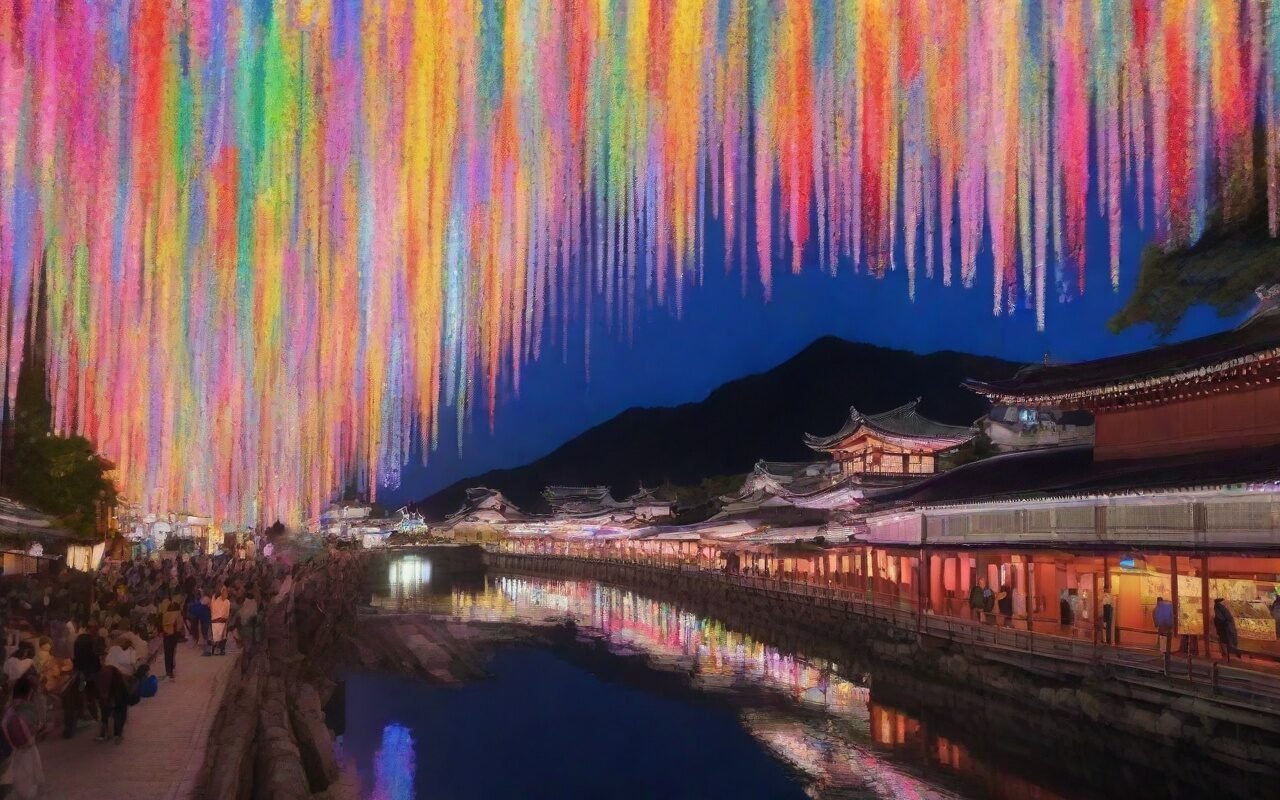
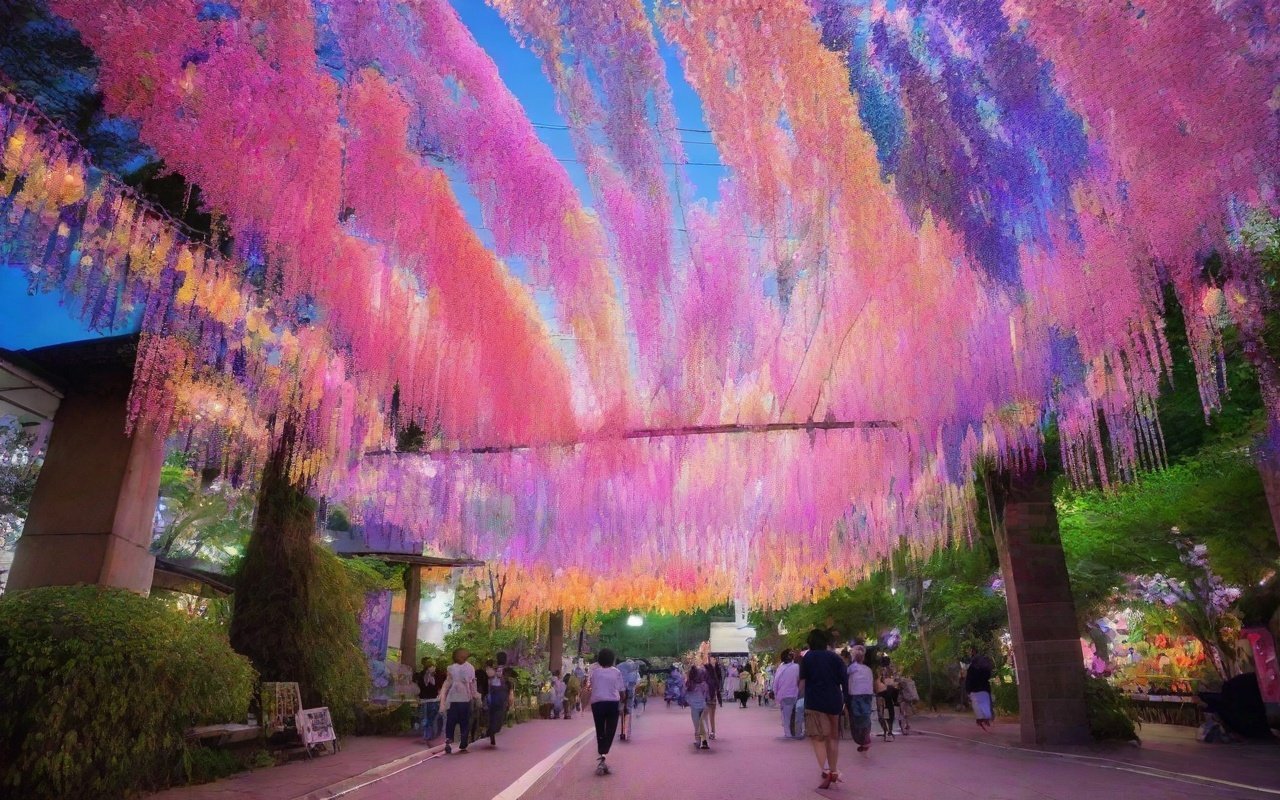
Fukinagashi (吹き流し): Large, colorful streamers hung from bamboo or displayed in shopping arcades. Each streamer represents a different element or virtue. The sight of hundreds of streamers rustling in the summer breeze is the visual hallmark of Tanabata.
Sasadake (笹竹): Bamboo branches decorated with tanzaku, origami, and other ornaments. Many temples and shrines allow you to purchase a tanzaku (¥100–¥200) and hang your wish on their bamboo display.
Street food: Typical summer festival fare including yakisoba (¥500–¥700), takoyaki (¥600–¥800), kakigori (shaved ice, ¥400–¥600), cotton candy, and chocolate bananas. I found that visiting during weekday mornings offered the most relaxed experience, something I confirmed over multiple trips.
Major Tanabata Festivals in Kanagawa
Yokohama Tanabata Festival
Held in the Kannai and Minato Mirai districts, the Yokohama Tanabata Festival is the largest in the prefecture, attracting over 300,000 visitors each year.
2026 dates: July 3–5 (Friday–Sun2026
Location: Yokohama Park, Bashamichi Street, and O-Sanbashi Pier
Hours: 10:00 AM – 9:00 PM (street stalls from noon)
Admission: Free
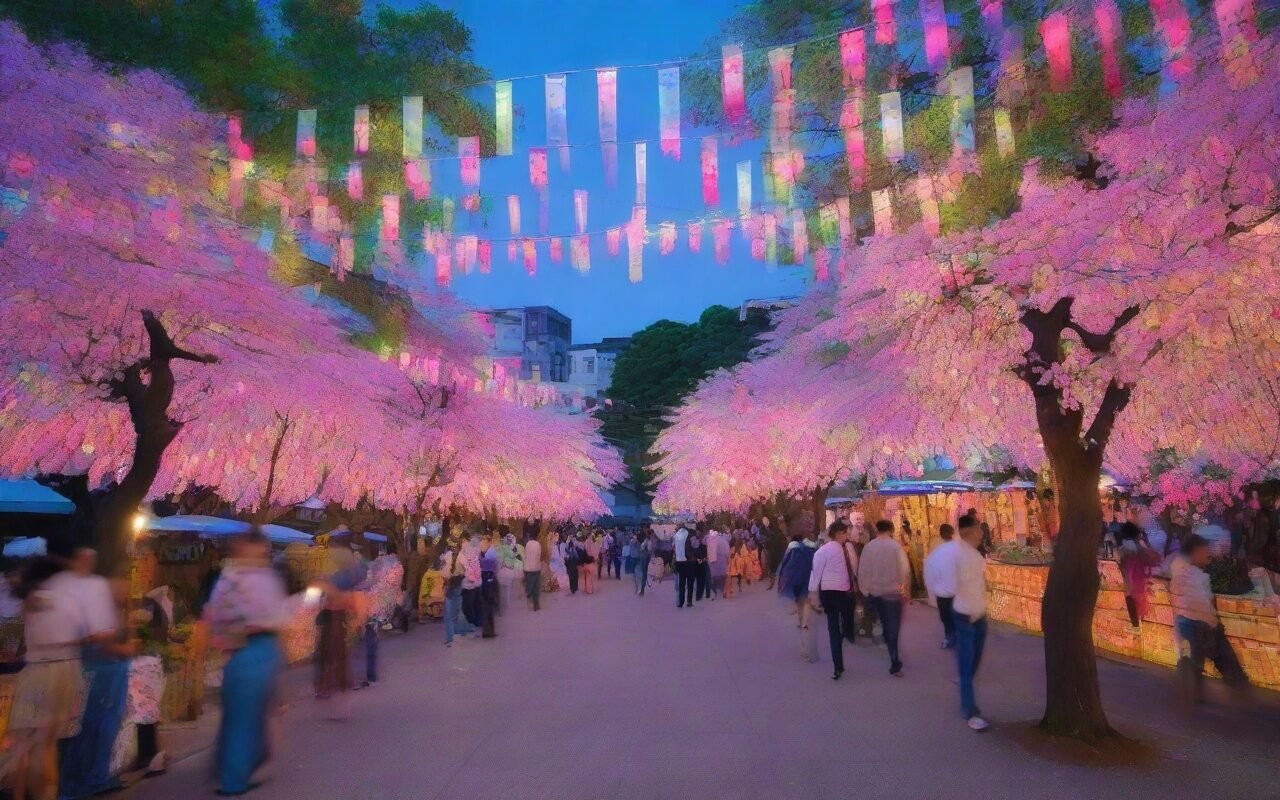
Highlights: A 10-meter-tall Tanabata bamboo display at Yokohama Park, a streamer competition judged by local celebrities, evening projections on the Landmark Tower, and a night market with over 200 food and game stalls along Bashamichi Street. On Saturday evening, a fireworks display over Yokohama Bay (approximately 5,000 shells) forms the festival’s climax.
Pro tip: The fireworks can be viewed from Osanbashi Pier, Yamashita Park, or the Minato Mirai waterfront. Arrive by 5:00 PM to secure a good viewing spot — bring a blanket or picnic sheet.
Hiratsuka Tanabata Festival
Hiratsuka’s festival is known for its massive, intricate streamers, some measuring over 5 meters in length, created by local community groups and businesses.
2026 dates: July 10–12 (Friday–Sunday)
Location: Hiratsuka Station East Exit area, shopping arcades
Hours: 11:00 AM – 9:00 PM
Admission: Free
Highlights: The streamer parade on Saturday afternoon, where teams carry their creations through the main shopping street accompanied by taiko drumming. The festival also features a yukata (summer kimono) contest and local food stalls specializing in shirasu (whitebait) dishes unique to the Shonan coast.
Hiratsuka is accessible from Tokyo via the Tokaido Main Line (60–75 minutes, ¥1,000–¥1,300). The festival is less crowded than Yokohama’s, making it a good choice for families.
Kamakura Tanabata at Tsurugaoka Hachimangu
The Tanabata celebration at Tsurugaoka Hachimangu, Kamakura’s most important shrine, has a more spiritual atmosphere compared to the city-center festivals.
2026 dates: July 7 (Tuesday, evening ceremony)
Location: Tsurugaoka Hachimangu, Kamakura
Hours: Tanzaku available from 9:00 AM; main ceremony at 6:00 PM
Admission: Free (tanzaku ¥200)
Highlights: A traditional Shinto ceremony where shrine maidens (miko) perform a dance to mark the meeting of Orihime and Hikoboshi. Visitors can write wishes on special shrine tanzaku and hang them on giant bamboo displays that remain in place until July 15. The evening ceremony includes a torch-lit procession from the main shrine to the lower grounds.

Enoshima Tanabata Lights
Enoshima island puts a unique spin on Tanabata with a evening illumination event that runs throughout July. 2026 dates: July 1–31
Location: Enoshima Island, Samuel Cocking Garden
Hours: 5:00 PM – 9:00 PM (lights on from sunset)
Admission: Free (Samuel Cocking Garden ¥500)
Highlights: The Enoshima Sea Candle observation tower and the Samuel Cocking Garden are decorated with star-themed illuminations. A special “wishing path” along the main approach to the shrine is lined with illuminated tanzaku displays.

Tanabata Etiquette and Tips
Writing your wish: Use a black pen or marker for best visibility. Write your wish clearly in the center of the tanzaku. Common wishes include health, academic success, love, or travel dreams. Sign your name at the bottom.
Dress for summer: July in Kanagawa is hot and humid (28–35°C / 82–95°F). Wear light, breathable clothing. Many visitors wear yukata (light summer kimono) — if you want to try it, rental shops near festival venues offer yukata sets for ¥3,000–¥5,000 including dressing assistance and accessories. Cash: Most festival food stalls are cash-only, Bring ¥3,000–¥5,000 per person for food, drinks, and games.
📍 Location
Major festival locations across Kanagawa. Yokohama’s celebration centers on Kannai Station (JR Negishi Line), Kamakura’s on Kamakura Station (JR Yokosuka Line), Hiratsuka’s on Hiratsuka Station (JR Tokaido Line), and Enoshima’s on Katase-Enoshima Station (Odakyu Line).
💰 Budget Breakdown
| Item | Price |
|---|---|
| Festival admission | Free |
| Food & drinks (per person) | ¥2,000–¥4,000 |
| Tanzaku wish strip | ¥100–¥200 |
| Yukata rental | ¥3,000–¥5,000 |
| Fireworks viewing spot reservation | ¥0 (free) – ¥3,000 (reserved seat) |
| Typical evening cost | ¥3,000–¥6,000 |
Planning Your Tanabata Visit
For a full Tanabata experience, combine a festival visit with other summer activities in Kanagawa. Yokohama’s festival can be paired with a visit to the Cup Noodles Museum or a waterfront dinner in Minato Mirai. Kamakura’s Tsurugaoka Hachimangu celebration fits perfectly into a day of temple and shrine visits. Hiratsuka’s festival is close to the Shonan beaches, so you can combine an afternoon at the beach with the evening festivities.
Whichever festival you choose, Tanabata in Kanagawa offers a beautiful blend of ancient tradition and modern celebration — and a chance to contribute your own wish to the starry night sky.
Frequently Asked Questions
Q: When can I see the best seasonal scenery here?
A:** If you are timing your visit for natural beauty, late March to early April brings cherry blossoms, June-July features vibrant hydrangeas and fresh greenery, and November showcases spectacular autumn colors. Each season offers a different perspective on the landscape.
Q: Is this destination easy to reach by public transport?
A:** Yes. Kanagawa has excellent public transport connections from Tokyo. Most destinations are within an hour by train. The nearest station is typically a short walk or bus ride from the main attractions. For detailed route information, check the transport section above.
Q: Is this destination manageable as a day trip from Tokyo?
A:** Yes, all destinations in this guide work well as day trips. Plan to arrive by late morning to see the main highlights. For a relaxed pace including lunch and optional detours, allow 6-8 hours. If you have more time, extending your stay overnight lets you explore at a leisurely pace and enjoy evening attractions.
Q: Do I need any special skills or equipment to enjoy this destination?
A:** Most attractions in this guide are accessible to visitors of all backgrounds and fitness levels. Well-maintained paths, clear signage, and English information make navigation easy. For activities requiring specific gear (hiking shoes, swimwear, etc.), recommendations are included in the relevant sections above.
. . Tanabata (七夕), also known as the Star Festival, is one of Japan’s most beloved summer traditions, Celebrated on July 7 (or early August in some regions following the lunar calendar), Tanabata commemorates the legend of Orihime (the Weaver Star, Vega) and Hikoboshi (the Cowherd Star, Altair) — two lovers separated by the Milky Way who acalendared to meet just once a year on the seventh night of the seventh month.
Across Kanagawa Prefecture, cities and neighborhoods host Tanabata festivals featuring vibrant streamers (fukinagashi), bamboo decorations (sasadake), wish-writing (tanzaku), parades, food stalls, and evening fireworks. While Sendai’s Tanabata is the most famous nationwide, Kanagawa’s celebrations offer a more intimate, authentic experience with their own local character.
This guide covers the major Tanabata festivals across Kanagawa in 2026, along with the traditions, food, and tips for making the most of the celebration.
Kanagawa’s festivals pulse with community spirit, offering visitors a rare chance to participate in traditions that have connected generations.
Packing Essentials
For outdoor activities, wear moisture-wicking clothing and comfortable closed-toe shoes. Sunscreen and a hat are essential during summer. A small towel is useful for wiping sweat. A waterproof phone pouch is useful for water activities. Pack snacks and extra water for remote areas.
Conclusion
Whether you are planning exploring Kanagawa for the first time or returning for another visit, taking a little extra time to go beyond the obvious sights makes all the difference. During my visit I went with a rough plan and found that leaving room to wander made the trip far more memorable. I hope this guide helps you build an itinerary that fits your pace, and that your time in Kanagawa leaves you with memories worth coming back for.