
Introduction
Vacation rentals in Kanagawa offer more space and flexibility than hotels, making them ideal for families, groups, or extended stays. This guide covers the best rental options in Yokohama, Kamakura, and Hakone.

Types of Accommodation Available
Kanagawa offers a diverse range of accommodation options to suit every budget and preference. From luxury ryokan with private onsens in Hakone to budget-friendly capsule hotels near Yokohama Station, travelers can find exactly what they need. Business hotels are the most common choice for solo travelers, offering clean, compact rooms with essential amenities.

Booking Tips and Best Practices
Booking accommodation in Kanagawa is straightforward, but a few tips can help you secure the best rates. Weekday stays are significantly cheaper than weekends, especially at ryokan and resort properties, Booking directly through the hotel’s website often provides better cancellation terms than third-party platforms, and many properties offer member-only discounts.
What to Look for in Each Area
Each area of Kanagawa offers a distinct accommodation experience. Hakone is ideal for onsen ryokan with kaiseki dining. Kamakura specializes in boutique guesthouses near temples and beaches. Yokohama provides international hotel chains with bay views. Consider your itinerary when choosing — staying in one base area and using day trips can be more relaxing than moving hotels every night.
Vacation rentals in Kanagawa offer more space and privacy than hotels, making them ideal for families or groups. Many are traditional machiya (townhouses) in Kamakura or modern apartments in Yokohama with full kitchens and laundry facilities.
When booking vacation rentals, check the cancellation policy carefully — many use dynamic pricing and stricter terms than hotels. Also verify the property’s distance from the nearest station, as Kanagawa’s public transport is excellent but some areas are hilly.
Kanagawa Vacation Rental Guide 2026nn## OverviewnnVacation rentals (Airbnb, VRBO) offer an alternative to hotels in Kanagawa. More space, kitchen facilities, and local neighborhood experience.nn## Pros & ConsnnPros: more space (especially for families), cooking facilities, laundry, neighborhood experience, often cheaper for groups.nnCons: no daily housekeeping, no front desk (meet host for key), check-in times may be inflexible, quality varies.nn## Best Areas for RentalsnnYokohama: Kannai, Minato Mirai, Yamate (Western-style houses). Kamakura: near stations, some traditional houses. Hakone: limited options, most accommodation is ryokan/hotel.nn## Legal ConsiderationsnnJapan’s minpaku law regulates vacation rentals (180 days max per year). Most listings are legal. Check for registration number. Apartments in residential buildings may have strict rules.nn## TipsnnRead recent reviews carefully. Confirm check-in procedure before arrival. Ask about luggage storage if arriving early. Check kitchen equipment if planning to cook. Note that garbage sorting rules are strict.nn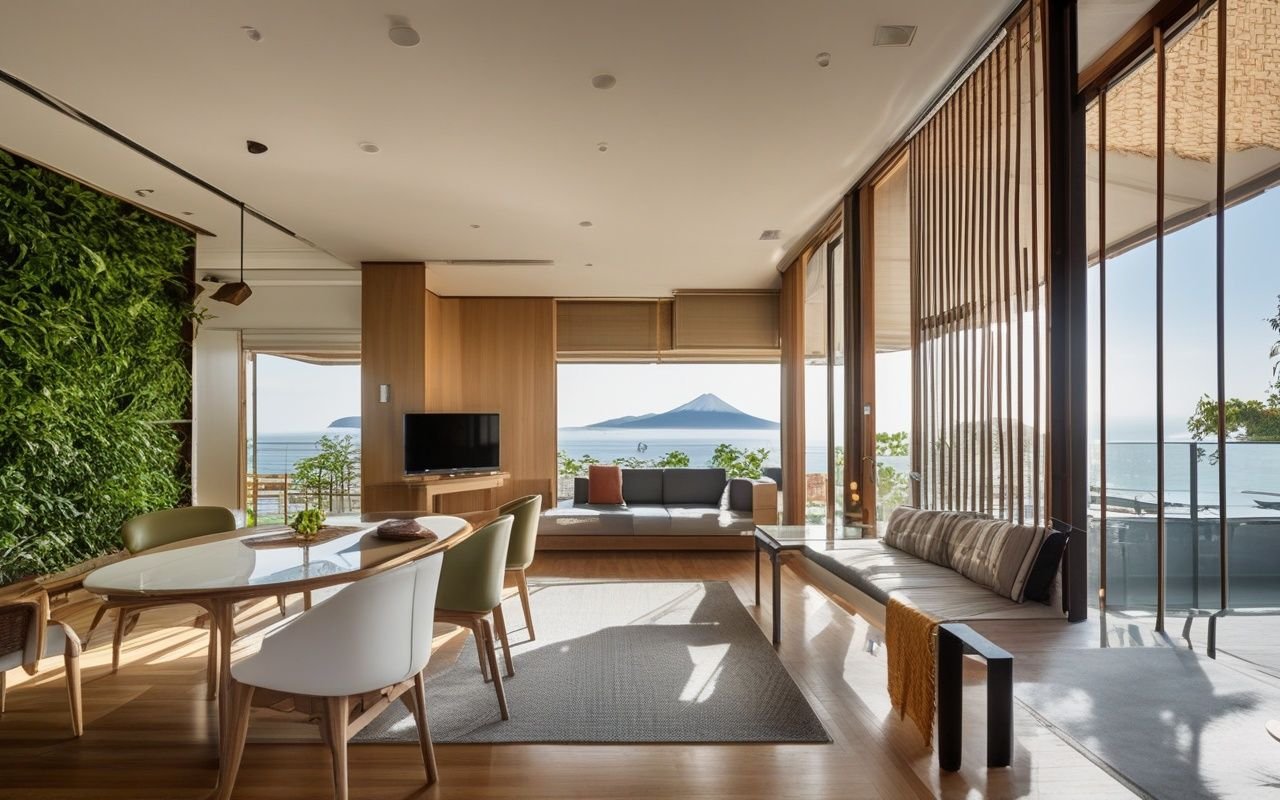
Overview
Frequently Asked Questions
Q: Q: Is this service/amenity easy to find in Kanagawa?
A:** A: Yes, most practical services in Kanagawa are well-distributed and clearly signposted. Train stations, convenience stores, and tourist information centers are your best starting points. Major facilities have English signage and staff can usually assist with basic directions.
Q: Q: Are there free alternatives available?
A:** A: Many facilities offer free alternatives. Coin lockers charge ¥300-700 per use but some tourist centers offer free short-term storage. Public restrooms are free throughout Kanagawa. Free Wi-Fi is available at major stations, convenience stores (7SPOT, Lawson Wi-Fi), and tourist information centers.
Q: Q: What payment methods are accepted?
A:** A: IC cards (Suica/Pasmo) are accepted at most facilities including lockers, parking meters, and bicycle rentals. Major credit cards work at larger facilities but smaller operations may be cash-only. Always carry ¥5,000-10,000 in small bills for coin lockers and vending machines.
Q: Q: Is this service accessible for non-Japanese speakers?
A:** A: Most major facilities in Kanagawa have English signage and instructions. Tourist-oriented services offer multilingual support. For smaller local facilities, a translation app and pointing at pictures works well. Save key Japanese phrases like “sumimasen” (excuse me) and “arigatou gozaimasu” (thank you).
Q: Q: What are the operating hours I should know?
A:** A: Most services operate during standard business hours (9:00-18:00), but convenience stores are 24/7. Coin lockers at major stations are accessible during station hours (usually 5:00-24:00). Public restrooms in parks may close at sunset. Always check specific facility hours online before visiting.
Choosing the Right Vacation Rental: What I Learned
After staying in vacation rentals across Kanagawa — from a machiya in Kamakura to a modern condo in Yokohama — here are the insights that made the biggest difference.
When to Choose a Vacation Rental Over a Hotel
Vacation rentals excel in specific situations: Families with children: Having a kitchen for preparing simple meals, separate bedrooms for early bedtimes, and a living room for evening relaxation makes rentals vastly superior to hotel rooms. I stayed in a 2-bedroom apartment in Yokohama’s Kannai area (¥12,000/night) with my family of four and it worked perfectly — the kitchen let us prepare breakfast and pack lunches, saving ¥3,000-4,000 per day on eating out.
Extended stays (5+ nights): Most hotels offer weekly rates but vacation rentals are still 20-40% cheaper for stays over a week. The in-unit laundry is a game-changer — you can pack half as much clothing.
Groups of 4+: Two hotel rooms in Yokohama cost ¥16,000-25,000/night minimum. A 3-bedroom vacation rental costs ¥12,000-18,000 with shared living space.
Cooking enthusiasts: Kanagawa’s seafood markets (especially Misaki and Odawara) sell incredible fresh catches at a fraction of restaurant prices, Having a kitchen lets you experience local ingredients in your own cooking.
Areas I Recommend (and Why)
Yokohama: The best area for vacation rentals is Kannai (between Yokohama Station and Minato Mirai). It has character, excellent restaurants, and is central to all major attractions. The Yamate district offers charming Western-style houses from the Meiji era, renovated as vacation rentals — unique but pricier (¥15,000-25,000/night).
Kamakura: Traditional machiya (townhouses) near Komachi-dori or the station area are ideal. These character-filled properties have tatami rooms, small gardens, and often come with bicycles. Budget ¥12,000-20,000/night. Avoid properties too far from the Enoden line — Kamakura’s hills are challenging without a car.
Hakone: Vacation rentals are limited here (most accommodation is ryokan/hotel). The few available are mainly in the Hakone-Yumoto area. For a true Hakone experience, ryokan with private onsen (¥15,000-30,000) are better value than vacation rentals in this area.
What to Check Before Booking
Based on my experience, verify these points in the listing or message the host:
- Distance to nearest station: In meters, not walking minutes. Japanese walking minutes can be optimistic (5 minutes often means 8-10).
- Heating/cooling type: Check if the property has air conditioning (common) and heating (not universal in older properties). Some machiya have portable kerosene heaters.
- Garbage sorting: Kanagawa has strict sorting rules with specific bags for burnable, non-burnable, and recyclable waste. Ask the host for instructions — I once spent 20 minutes deciphering a host’s hand-drawn sorting guide.
- Stairs: Many older properties (especially machiya) have steep, narrow stairs. If mobility is a concern, choose a modern apartment building.
- Noise: Properties near train tracks (especially the Enoden line) or main roads can be noisy. Check reviews for noise complaints.
Garbage Sorting: The Practical Guide
Japan’s garbage sorting system confuses many visitors. Here is the simple version:
| Waste Type | Color Bag | Examples | Collection Day |
|---|---|---|---|
| Burnable | Clear/white | Food scraps, paper, clothing | 2x/week |
| Non-burnable | Clear/white | Glass, ceramics, metals | 1x/week |
| Plastic | Clear/white | PET bottles, packaging | 1x/week |
| Recyclable | See below | Cans, glass bottles, PET | 1x/week |
PET bottles: Remove cap and label, rinse, crush. Cap goes in plastic, label in burnable.
Cardboard: Flatten and tie with string.
Your host will provide the correct bags (designated by the local municipality). Never put out garbage on the wrong day — it will be left and you may receive a warning.
Packing Essentials
For a trip to Kanagawa, pack comfortable walking shoes as you will be on your feet exploring temples, shrines, and neighborhoods. A reusable water bottle is essential – tap water is safe to drink. A small umbrella or light rain jacket is useful year-round. Power banks are recommended since you will rely on your phone for maps. A small daypack for daily essentials makes sightseeing more convenient.
For more details, see our guide to Kamakura New Years Guide – Kanagawa.
Conclusion
The details in this guide come from real visits, and the biggest lesson I took away was that the best experiences in Kanagawa rarely fit neatly into a checklist. During my visit I went with a rough plan and found that leaving room to wander made the trip far more memorable. Plan the essentials, keep your schedule flexible, and you will leave Kanagawa wanting to return.