
💬 Traveler’s Note: I explored the accommodation options in Miura and found some lesser-known spots along the coast. I recommend booking a place with ocean views for an unforgettable stay.
Introduction
The Miura Peninsula offers a different kind of accommodation experience — family-run minshuku, fishing village guesthouses, and seaside hotels. This guide covers the unique charm of staying on the Miura coast. — the quality and attention to detail were remarkable.
Arriving early in the morning gave me a completely different perspective compared to my previous afternoon visit — the light, the crowds, and the atmosphere were transformed.

🏡 Miura Accommodation: A Complete Guide by Area
Unlike Hakone’s luxHakoneokan, Miura offers a different kind of charm — family-run minshuku (family inns), fishing village guesthouses, and a few boutique hotels. The focus is on fresh seafood and coastal relaxation.
| Area | Best For | Price Range | Atmosphere | Booking Method |
|---|---|---|---|---|
| Misaki Port | Tuna lovers, market mornings | ¥7,000-15,000 | Bustling fishing port | Direct or Rakuten Travel |
| Hayama Coast | Beach relaxation, couples | ¥10,000-25,000 | Upscale seaside | Booking.com |
| Jogashima Island | Unique fishing village, hiking | ¥7,000-10,000 | Quiet, rural | Direct (phone or web) |
| Miura City | Budget, practical | ¥5,000-9,000 | Suburban business | Major booking sites |
Recommended Minshuku
Miura Peninsula Accommodation Guide 2026nn## OverviewnnMiura offers a different experience — family-run minshuku, fishing village guesthouses, and a few beachside hotels. Much cheaper than Kamakura/Hakone.nn## AreasnnMisaki Port area: best for tuna lovers, morning market access. Hayama coast: upscale beach area, boutique hotels. Jogashima: unique fishing village minshuku. Miura City: practical business hotels.nn## MinshukunnMisaki Kanichiro (¥8,000-12,000, tuna dinner). Hayama Beach House (¥10,000-15,000, near Isshiki Beach). Jogashima Minshuku Uomi (¥7,000-10,000, seafood dinners).nn## BookingnnMost not on major booking platforms. Use Rakuten Travel or contact directly. Some on Booking.com.nn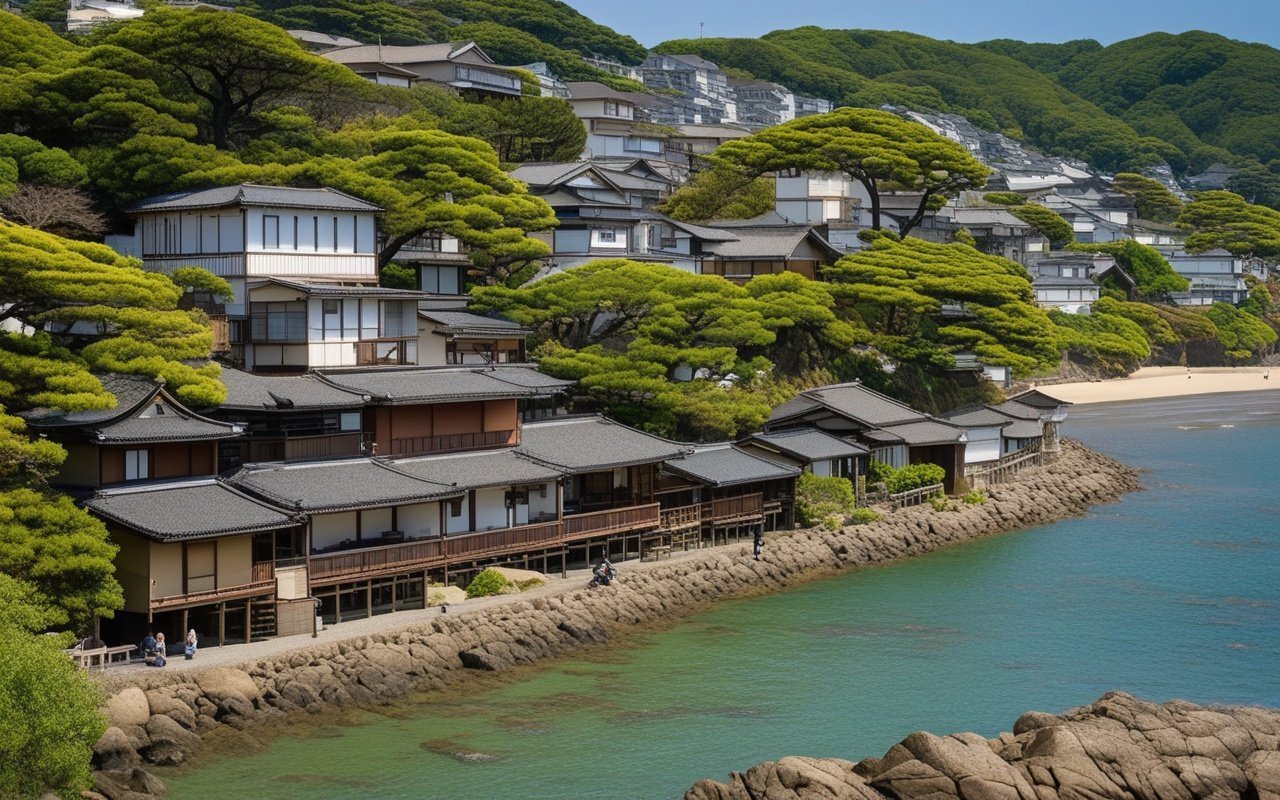
Overview

🐟 The Miura Morning Market Experience
The main reason to stay overnight in Miura is the morning tuna auction at Misaki Fish Market (5:30-7 AM). Book through the Misaki Tourist Association (info@misaki-kanko.jp). Watch as hundreds of frozen tuna are auctioned by wholesalers — a spectacle you won’t find in tourist-heavy areas.
After the auction: Walk 5 minutes to Misaki Port Morning Market (7-9 AM) for fresh seafood breakfast: tuna rice bowl (¥800-1,200), grilled fish set (¥1,000), and the local specialty — misaki-don (three different tuna cuts over rice).
🌅 Evening on the Miura Coast
Sunset on Miura is special because of the unobstructed view across Sagami Bay. On clear winter days, Mount Fuji appears directly across the water. The best sunset spots near accommodation:
- Misaki Port Promenade (5 min walk from Misaki minshuku)
- Jogashima Lighthouse Trail (10 min walk from Jogashima inns)
- Hayama Marina (15 min walk from Hayama hotels)
📅 When to Stay in Miura
| Season | Best For | Note |
|---|---|---|
| Dec-Mar | Oyster season + tuna peak | Best seafood, cold but clear Fuji views |
| Jul-Aug | Beach season (Hayama) | Summer crowds, family vacation |
| Oct-Nov | Hiking + mild weather | Best for Jogashima coastal trails |
| Weekdays | Best value | 20-30% cheaper than weekends |
🚗 Getting Around Miura Without a Car
Miura’s public transport is limited compared to Hakone or Kamakura. Here’s how to manage:
- Buses: Run every 30-60 minutes between Misaki Port, Hayama, and Jogashima. Check the Keikyu Bus website for schedules.
- Taxis: Available at Misaki Port Station and Hayama. ¥1,000-3,000 for short trips.
- Bicycle rental: ¥1,000-2,000/day at Misaki Port. The peninsula is flat enough for casual cycling.
- Minicruise: Misaki Port to Jogashima (10 min, ¥400) — runs hourly, scenic approach.

How to Get There
From Tokyo to Miura Peninsula: JR Yokosuka Line from Tokyo Station to Zushi (55 minutes), then transfer to the Keikyu Line to Misaki Port Station (additional 30 minutes). Total: ~90 minutes.
From Shinjuku to Misaki Port: JR Shonan-Shinjuku Line to Zushi, then Keikyu Line to Misaki Port. Travel time: ~100 minutes. To Hayama area: JR Yokosuka Line to Zushi, then bus to Hayama (20 minutes). Buses run every 30-60 minutes.
To Jogashima Island: From Misaki Port, take the bus to Jogashima (15 minutes). The bridge connects the island to the mainland — walkable from the bus stop.
Getting around Miura: Buses are infrequent — check schedules in advance. Taxis are available at Misaki Port and Hayama, Renting a bicycle is a great way to explore the peninsula.
🍽️ Where to Eat Near Your Accommodation
One of Miura’s greatest appeals is its incredible seafood. Here are the best restaurants near each accommodation area:
Misaki Port Area
| Restaurant | Type | Price | Specialty | Dinner Open? |
|---|---|---|---|---|
| Uo-ichi | Tuna bowl | ¥1,500-2,500 | Maguro-don (tuna bowl) with freshly cut sashimi | ❌ Lunch only (6 AM-2 PM) |
| Misaki Kou | Negi-toro bowl | ¥1,200-1,800 | Minced fatty tuna over rice | ❌ Lunch only (7 AM-3 PM) |
| Kurofune | Izakaya | ¥2,000-3,500 | Local seafood, sake, grilled fish | ✅ Dinner (5 PM-10 PM) |
| Sakana no Kuma-san | Family restaurant | ¥1,000-2,000 | Set meals, grilled fish, tempura | ✅ Dinner (11 AM-9 PM) |
Hayama Area
| Restaurant | Type | Price | Specialty | Dinner Open? |
|---|---|---|---|---|
| Ristorante Hayama | Italian | ¥2,000-4,000 | Seafood pasta, local veggie | ✅ Dinner (11:30 AM-9 PM) |
| Hayama Marina Cafe | Cafe | ¥1,000-2,000 | Light meals, desserts | ❌ Closes 5 PM |
| Irodori | Japanese | ¥2,500-5,000 | Kaiseki course, local fish | ✅ Dinner (reservation only) |
Jogashima Area
| Restaurant | Type | Price | Specialty | Notes |
|---|---|---|---|---|
| Jogashima Minshuku Uomi | In-house dinner | Included | Ise-ebi (lobster) special | Served at 6 PM — don’t be late |
| Jogashima Shokudo | Casual | ¥800-1,200 | Seafood curry, fried fish | Lunch only, closes by 4 PM |
Important note for seafood lovers: Most seafood restaurants in Miura close by 2-3 PM, especially near the port. For dinner, you’ll need either your minshuku’s in-house meal or one of the few izakaya that stay open. Plan accordingly — the convenience store selection is limited.
🌊 Beach Access Near Accommodations
| Accommodation Area | Nearest Beach | Beach Type | Walking Time | Summer Facilities |
|---|---|---|---|---|
| Hayama | Isshiki Beach | Sandy, swimming | 5-10 min | ✅ Showers, lifeguards (Jul-Aug), beach houses |
| Misaki Port | Misaki Port area | Rocky, fishing port | 2 min | ❌ Not a swimming beach |
| Jogashima | Jogashima Coast | Rocky, tide pools | 5 min | ❌ Natural coastline, no facilities |
| Miura City | Miura Kaigan | Sandy, swimming | 15 min bus | ✅ Showers, lifeguards (Jul-Aug) |
For swimming: Isshiki Beach (Hayama) is the best option — clean, well-maintained, family-friendly. Open July-August.
For tide pooling: Jogashima coast is excellent at low tide — look for sea stars, small crabs, and anemones.
For fishing: Misaki Port itself offers fishing experiences — ask at your minshuku about local fishing tours (¥3,000-5,000 per person for 2 hours).
🚶 Recommended Day-Itineraries from Your Accommodation
From Misaki Port (Tuna Lover’s Day)
5:30 AM — Wake up early (yes, really)
6:00-7:00 AM — Misaki Fish Market tuna auction (free to watch)
7:00-8:30 AM — Breakfast at Misaki Port Morning Market (fresh tuna bowl)
9:00-11:00 AM — Ferry to Jogashima Island (¥600 round trip), hike the coastal trail
11:30 AM-12:30 PM — Return to Misaki, lunch at Uo-ichi for maguro-don
1:00-3:00 PM — Explore Misaki Port area, visit the port museum, buy local souvenirs
3:00-4:00 PM — Walk the Misaki Port promenade at sunset
6:00 PM — Dinner at your minshuku (included seafood feast)
From Hayama (Relaxed Beach Day)
9:00 AM — Late start, breakfast at minshuku or Hayama Marina Cafe
10:00 AM-12:30 PM — Isshiki Beach (swimming, sunbathing in summer; walking, photography in other seasons)
12:30-1:30 PM — Lunch at Ristorante Hayama (seafood pasta)
2:00-3:30 PM — Walk the Hayama promenade, visit Hayama Shrine
4:00-5:00 PM — Afternoon tea at a beachside cafe
6:00 PM — Dinner at Irodori (reservation required) or at your accommodation
From Jogashima (Nature Explorer’s Day)
8:00 AM — Breakfast at minshuku (seafood grilled fish set)
9:00-11:30 AM — Jogashima Lighthouse hike (3 km loop, 1.5 hours)
11:30 AM-12:30 PM — Lunch at Jogashima Shokudo (limited menu, but fresh)
12:30-2:00 PM — Tide pooling along the coast (check tide tables beforehand)
2:00-3:30 PM — Ferry back to Misaki Port, explore the market area
3:30-5:00 PM — Visit Miura Kaigan beach or return to Jogashima for sunset
6:00 PM — Dinner at minshuku (Ise-ebi lobster special — the highlight)
Best Areas to Stay in Miura
Miura Peninsula offers distinct accommodation options. Misaki Port area is ideal for seafood lovers with hotels near the fishing harbor. Jogashima Island has unique seaside pension options with ocean views. The coastal areas along the Miura海岸 offer ryokan (traditional inns) with on-site onsen. For budget travelers, guesthouses and minshuku are available near Miurakaigan Station.
Seasonal Considerations
Summer (July-August) is peak season for Miura’s beaches, book 2-3 months ahead, Spring brings strawberry picking and mild weather. Autumn has excellent hiking conditions. Winter offers quiet stays and lower rates but many restaurants may close early. Weekends fill up quickly year-round.
What I learned from experience is that carrying cash is still essential for smaller restaurants and temples.
Tips
Practical notes from my trips to exploring the Miura Peninsula: confirm the latest hours on the official website, buy tickets in advance when you can, and leave extra time for trains and walking between stops. Keeping your first day lighter also helps you enjoy the second day without feeling rushed.
Frequently Asked Questions
Q: Q: How is Miura accommodation different from Hakone?
A:** A: Miura offers family-run minshuku (¥7,000-15,000 with dinner) instead of luxury ryokan. Focus is on fresh seafood rather than onsen. Much more affordable and authentic — you’ll be the only foreign guest at most properties.
Q: Q: Do Miura minshuku speak English?
A:** A: Limited. Owners are welcoming and use gestures and phones. Learn a few Japanese phrases: “Konbanwa” (good evening), “Gochisousama” (thank you for the meal). Major hotels in Hayama have English-speaking staff.
Q: Q: What’s the best area to stay in Miura?
A:** A: Misaki Port for the morning tuna market (5:30 AM). Hayama for beaches. Jogashima for a unique fishing village experience. For a first visit, Misaki Port gives you the most authentic experience.
Q: Q: Are there convenience stores near Miura accommodations?
A:** A: Conbini near Misaki Port and Hayama stations. Jogashima has none — stock up before arriving. The minshuku dinner is filling enough that you won’t need snacks.
Q: Q: Should I book Miura accommodation in advance?
A:** A: Yes, especially for summer weekends at Hayama (beach season books out weeks ahead). Weekdays and winter are generally available with a few days’ notice.
Summary: Miura — Kanagawa’s Most Underrated Stay
Miura offers the most authentic accommodation experience in Kanagawa. No luxury chains, no Western-style rooms — just family-run inns serving incredible fresh seafood. It’s the polar opposite of Hakone’s polished ryokan scene, and that’s exactly why it’s special.
Three takeaways for your Miura stay:
- Stay for the morning market: The 5:30 AM tuna auction is worth the early wake-up
- Book directly: Call or email minshuku for 10-20% savings and customized seafood dinners
- Go in winter: December-March offers oyster season + clearest Fuji views + lowest prices For more on Miura attractions, see our Miura Peninsula Guide and Miura Food Guide.
Conclusion
The details in this guide come from real visits, and the biggest lesson I took away was that the best experiences in the Miura Peninsula rarely fit neatly into a checklist. During my visit to the Miura Peninsula I went with a rough plan and found that leaving room to wander made the trip far more memorable. Plan the essentials, keep your schedule flexible, and you will leave Kanagawa wanting to return.