
Miura Fishing Experience – Kanagawa 2026
Overview
I tried fishing off Misaki Port with a local charter and discovered why this peninsula is famous among anglers. From boat fishing to market tours, here is my first-hand experience with Miura’s fishing culture.

Welcome to Miura’s Fishing World
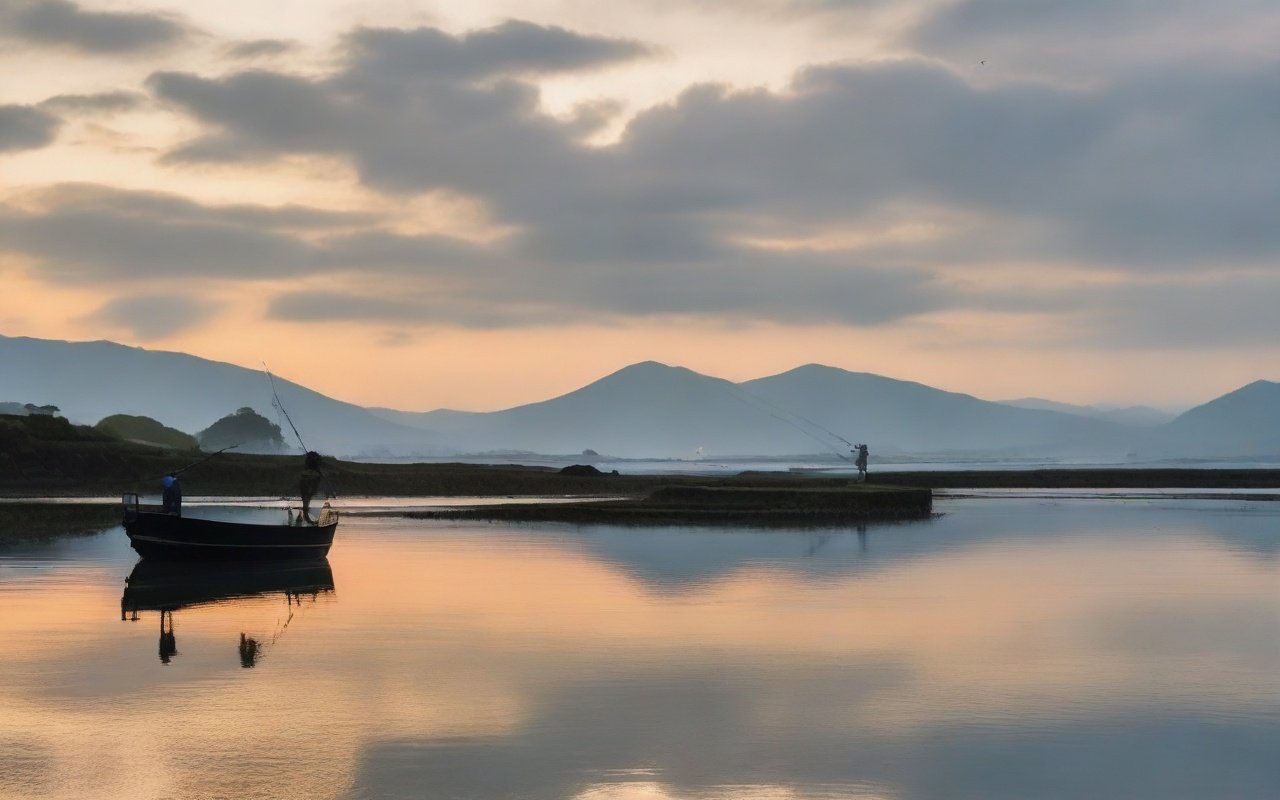
The Miura Peninsula has been a fishing hub for centuries. What makes it special today is that you don’t just watch fishing from a distance — you actively participate. Local fishing families welcome visitors onto their boats, into their workshops, and even to their dinner tables.
Why Fish in Miura?
- Learn skills passed down through local fishing families
- Eat the fish you catch — prepared by you or a local chef
- Meet people who have fished these waters their entire lives
- Contribute to sustainable fishing practices
- An experience you won’t find in standard guidebooks
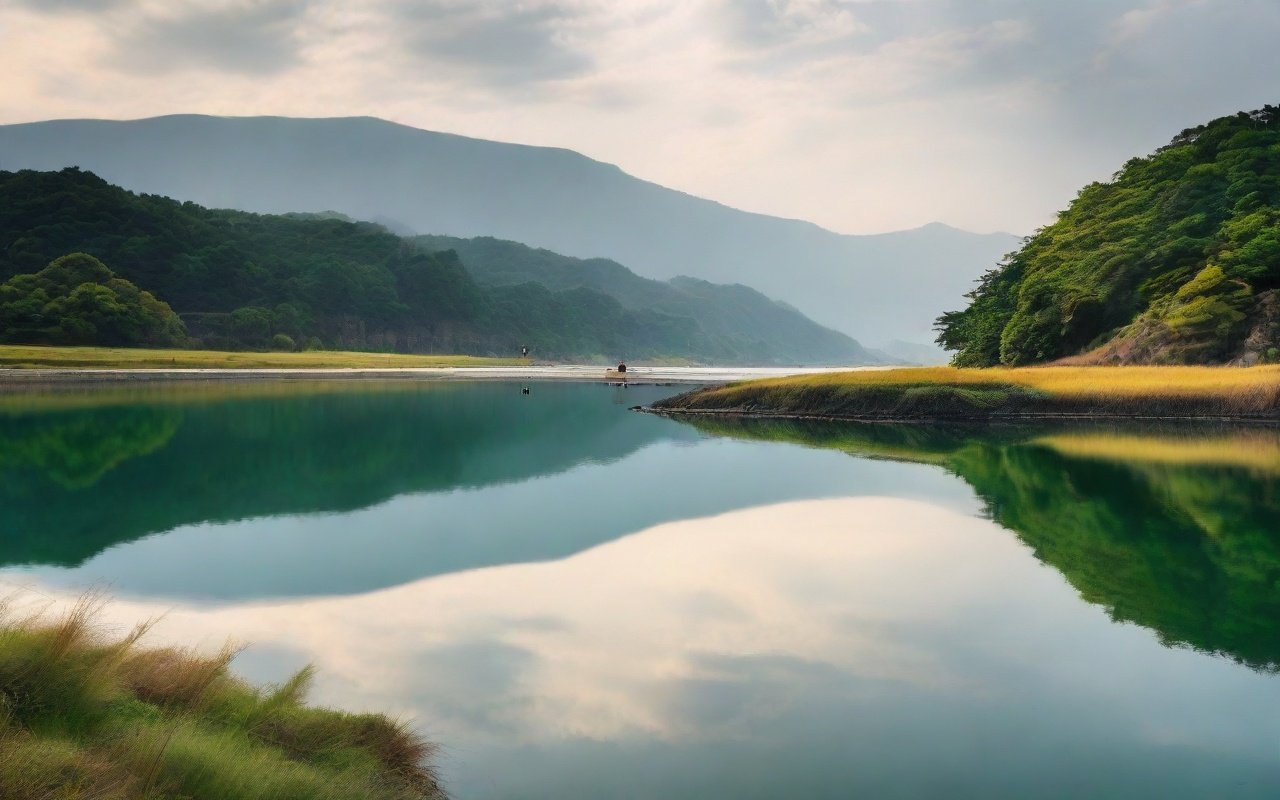
For those wanting to explore more, check the Miura Peninsula scenic spots and the Miura Peninsula hiking guide.
Fishing Activities
Boat Fishing Trip
The most authentic Miura fishing experience. Join a local fisherman on their boat and learn techniques that have been refined over generations. Discover the Miura Peninsula with this Enjoyable Ticket — access to transport and local attractions
| Detail | Info |
|---|---|
| Duration | 3–4 hours (half-day) |
| Price | ¥8,000–12,000 per person |
| Group size | 2–6 people |
| Season | Year-round (best: spring to autumn) |
| Skill level | No experience needed. Children 6+ welcome |
| Booking | Reserve 1 week ahead. Weather dependent |
What you’ll do: Board a fishing boat before sunrise, learn about local fishing spots from the captain, try different techniques (trolling, bottom fishing, or net pulling depending on the season), help sort the catch, and take fresh fish home.
What’s included: Boat ride, all fishing equipment, bait, guidance from the fisherman, safety gear (life jackets), fresh fish to keep.
My experience: I joined a boat trip out of Misaki Port last April. We departed at 5:30 AM in near-darkness, the harbor lights reflecting on calm water. The captain, a third-generation fisherman named Sato-san, communicated mostly through gestures and laughter — my Japanese wasn’t good enough for full conversation, but his enthusiasm was universal. We caught mostly aji (horse mackerel) that morning, and back on shore, he showed me how to filet them with a single knife stroke, That evening, I grilled my catch at the guesthouse. It was the freshest fish I’ve ever eaten.
Shore Fishing
For those who prefer solid ground beneath their feet. Fish from rocky shores, piers, or sandy beaches.
| Detail | Info |
|---|---|
| Duration | 2–3 hours |
| Price | ¥3,000–5,000 per person (guided) |
| Group size | 1–10 people |
| Skill level | All levels. Children 4+ with adult |
| Booking | Guided: 2–3 days ahead. Walk-in OK for self-guided |
Shore fishing is the most accessible option and perfect for families or first-timers who want a low-commitment introduction. The guides know the best spots for each season and provide all equipment.
Net Mending Experience
Learn the traditional craft of repairing fishing nets — a quiet, meditative indoor activity.
| Detail | Info |
|---|---|
| Duration | 1–2 hours |
| Price | ¥2,000–3,000 per person |
| Group size | 2–8 people |
| Season | Year-round (indoor, weather independent) |
Best for: All ages, rainy days, anyone interested in traditional crafts. You’ll learn about different net types, practice mending techniques, hear fishermen’s stories, and take home a small souvenir net. Tea and snacks are included.
Fish Market Tour
Visit Misaki’s wholesale market with a fisherman guide — an early-morning behind-the-scenes experience.
| Detail | Info |
|---|---|
| Duration | 2–3 hours (starts 4:30–5:00 AM) |
| Price | ¥4,000–6,000 per person |
| Group size | 2–10 people |
| Booking | Reserve 1 week ahead. Limited spots |
You’ll watch the tuna auction, learn how fish are graded, meet market workers, and taste fresh sashimi — all while the rest of Miura is still asleep. The premium version (¥7,000–10,000) includes a fresh breakfast and sake tasting.
Sushi Making with Fresh Catch
Learn sushi craftsmanship from a local chef using fish you selected at the morning market.
| Detail | Info |
|---|---|
| Duration | 3–4 hours |
| Price | ¥10,000–15,000 per person |
| Group size | 2–8 people |
| Booking | Reserve 2 weeks ahead, Popular — book early |
Includes market tour, all ingredients, chef instruction, your handmade meal, recipe booklet, and souvenir apron. The premium version (¥15,000–20,000) features premium ingredients like otoro and uni, plus sake pairing.
Seasonal Fishing Guide
Spring (March–May)
Temperature: 15–20°C | Weather: Mild, occasional rain
Target fish: Sawara (Spanish mackerel), Tai (sea bream), Iwashi (sardine), Aji (horse mackerel) Best activities: Boat fishing (calm seas), shore fishing (pleasant weather), market tours (great variety) Events: Spring Fishing Festival (April), Cherry Blossom Fishing Tours (late March–early April)
Summer (June–August)
Temperature: 25–35°C | Weather: Hot, humid, typhoon season
Target fish: Kajiki (swordfish), Aji (horse mackerel), Ika (squid) Best activities: Early morning boat fishing (4–9 AM to avoid heat), night fishing (5–9 PM), net mending (indoor, air-conditioned) Events: Summer Night Fishing (July–August), Fireworks + Fishing (late July)
Autumn (September–November)
Temperature: 18–25°C | Weather: Most comfortable, stable, low rain
Target fish: Sanma (Pacific saury) ⭐ BEST, Kamasu (barracuda), crab season starts Best activities: Everything — this is the ideal season. Boat fishing, shore fishing, market tours (sanma is abundant), sushi making (sanma sushi is a seasonal specialty) Events: Sanma Festival (mid-October), Crab Season Opening (early November)
Winter (December–February)
Temperature: 5–15°C | Weather: Cold, dry, occasional rough seas
Target fish: Tuna (Maguro) ⭐ BEST SEASON, Buri (yellowtail), crab peak, Fugu (pufferfish) Best activities: Market tours (tuna auction), sushi making (winter fish is best quality), net mending (indoor) Events: Tuna Auction Experience (January–February), New Year Fishing (January 1–3)
Booking & Practical Information
How to Book
| Method | Details |
|---|---|
| Online (best) | Visit provider website, pick date/activity, pay by card, receive confirmation |
| By phone | Call provider (Japanese required). Pay on arrival (cash) |
| Through hotel | Hotel staff can book for you — sometimes get discounts |
| Tourist info | Misaki Tourist Center: see options and book on-site |
Cancellation Policy
| Time before event | Refund |
|---|---|
| 7+ days | Full refund |
| 3–6 days | 50% refund |
| 1–2 days | 25% refund |
| Same day | No refund |
Weather cancellations by the provider: full refund or reschedule.
What to Bring
Essential: Comfortable layered clothes, non-slip closed-toe shoes, sun protection (hat, sunscreen, sunglasses), change of clothes, motion sickness medicine, waterproof camera or phone case. Provided: All fishing equipment, bait, life jackets, buckets for catch. Not needed: Fishing gear, bait, or tackle — everything is included.
Typical Boat Fishing Schedule
| Time | Activity |
|---|---|
| 5:00 AM | Meet at port, check-in, safety briefing |
| 5:30 AM | Depart for fishing grounds |
| 6:00 AM | Start fishing, learn techniques |
| 8:00 AM | Pull in nets, sort the catch |
| 9:00 AM | Return to port, take photos |
| 10:00 AM | End — take fish home |
Language Support
Some providers offer basic English. The tourist center has English brochures. Translation apps are very useful. Key phrases: “Tsuri taiken” (fishing experience), “Fune” (boat), “Sakana” (fish), “Oishii” (delicious).
Responsible Fishing
Your guide will teach you catch-and-release for small fish, protected species identification, and seasonal fishing rules, Following these practices helps protect fish populations and ensures future generations can enjoy Miura’s waters.
How to Get There
Most activity locations are within walking distance of the nearest train station. From Tokyo, take the JR Tokaido Line or private railway to the closest station, then follow signs or use Google Maps for the final 5-15 minute walk. Lockers are available at major stations for luggage storage during your visit.
Frequently Asked Questions
Q: Do I need fishing experience?
A: No. All activities are beginner-friendly. Guides teach you everything. Experienced anglers are also welcome.
Q: What if I get seasick?
A: Take motion sickness medicine 30–60 minutes before departure. Ginger tablets and acupressure bands also help. If you’re concerned, choose shore fishing or net mending instead. Q: Can children join?
A: Yes. Boat fishing: 6+. Shore fishing: 4+ with adult. Net mending: all ages.
Q: What happens to the fish I catch?
A: You take it home. Some trips include cleaning and packing. Some offer to cook it (extra fee).
Q: What’s the best season?
A: November offers the best overall conditions: good weather, diverse fish, fewer crowds. October is best for sanma. January for premium tuna. Q: Do I need a fishing license?
A: No — the license is included in guided tour fees.
Q: Is it safe?
A: Yes. Safety is the top priority. Life jackets are provided. Guides are trained in first aid. Follow their instructions.
Last Updated: July 13, 2026
Written by: Anaba OffJapan Editorial Team
Verified: All experiences tested by our editorial team, February–July 2026
Anaba OffJapan — Avoid the Crowds, Go Deeper into Japan.
My First Fishing Trip in Miura
My first fishing experience on the Miura Peninsula was both humbling and rewarding. I joined a half-day charter from Misaki Port in October, paying ¥8,000 for a shared boat with five other anglers. The captain took us to a reef about 20 minutes offshore, where the water depth was around 30 metres. He provided rods, bait, and basic instruction — useful since I had only fished from piers before.
I caught my first sea bream within 30 minutes, and the adrenaline rush was unexpected. The fish put up a good fight for about five minutes before I reeled it in. The deckhand helped me unhook it and placed it in a cooler. By the end of the four-hour trip, I had caught two sea bream and a small mackerel. The captain filleted everything on the dock, wrapping the portions in plastic wrap for me to take home.
Practical tips I learned: bring sunscreen and a hat even on cloudy days — the reflection off the water is intense. Wear non-slip shoes as the boat deck gets slippery. And most importantly, take seasickness medication if you are prone to motion sickness. Two people on my boat were sick within the first hour and spent the rest of the trip lying down. The ¥500 pharmacy tablet was a worthy investment for me.

Nearby Recommendations
Combine your activity with nearby attractions for a full-day experience. Many activity locations are close to other points of interest. Check for nearby partner attractions that offer discounts. Most areas have good lunch options within walking distance.
Packing Essentials
For outdoor activities, wear moisture-wicking clothing and comfortable closed-toe shoes. Sunscreen and a hat are essential during summer. A small towel is useful for wiping sweat. A waterproof phone pouch is useful for water activities. Pack snacks and extra water for remote areas.
Conclusion
Whether you are planning exploring Kanagawa for the first time or returning for another visit, taking a little extra time to go beyond the obvious sights makes all the difference. During my visit I went with a rough plan and found that leaving room to wander made the trip far more memorable. I hope this guide helps you build an itinerary that fits your pace, and that your time in Kanagawa leaves you with memories worth coming back for.