
Miura Strawberry Picking Guide — Complete Guide 2026
Overview
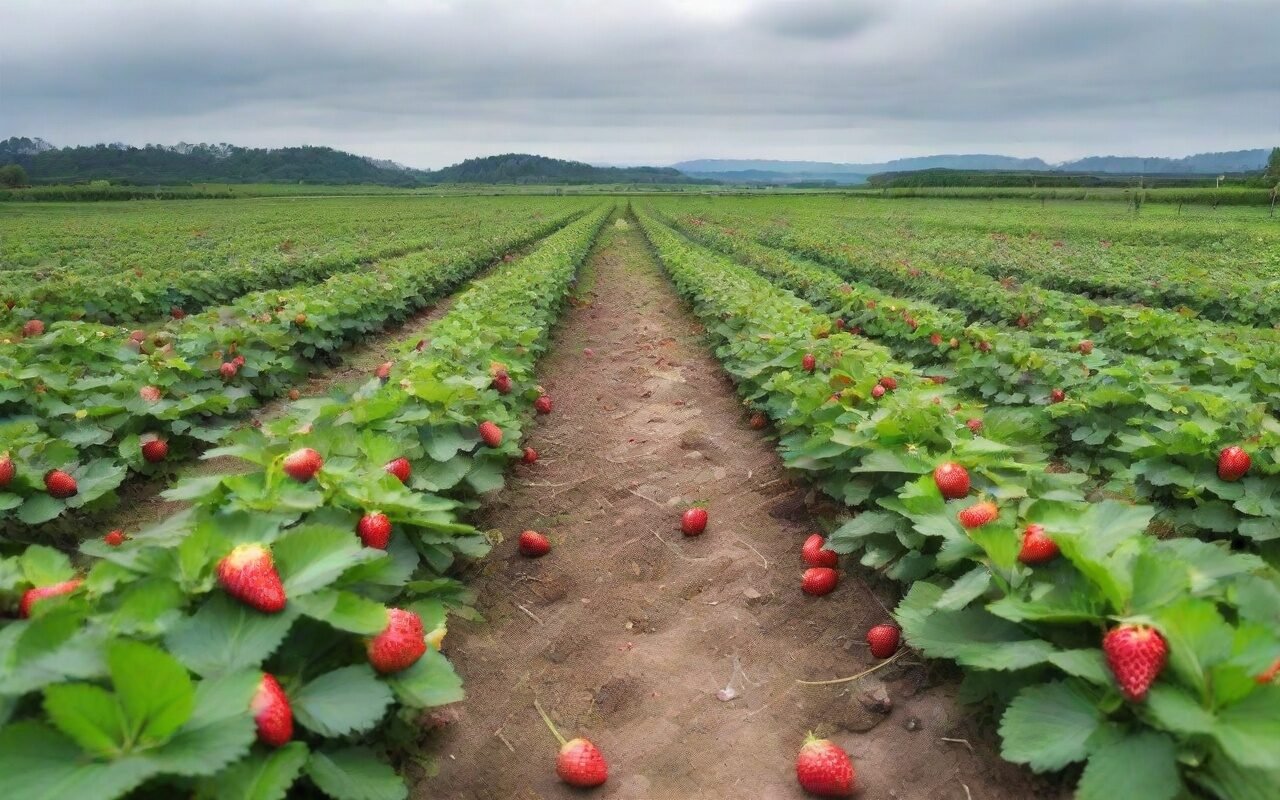
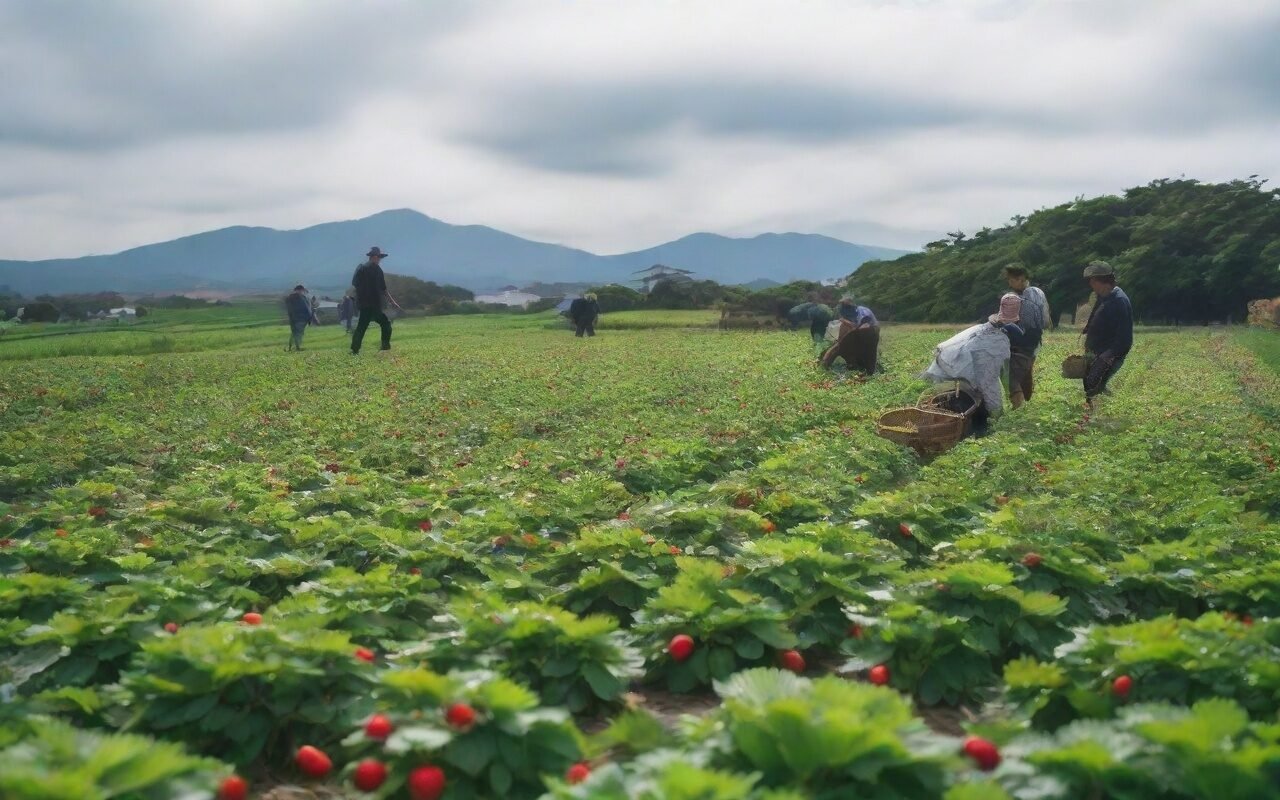
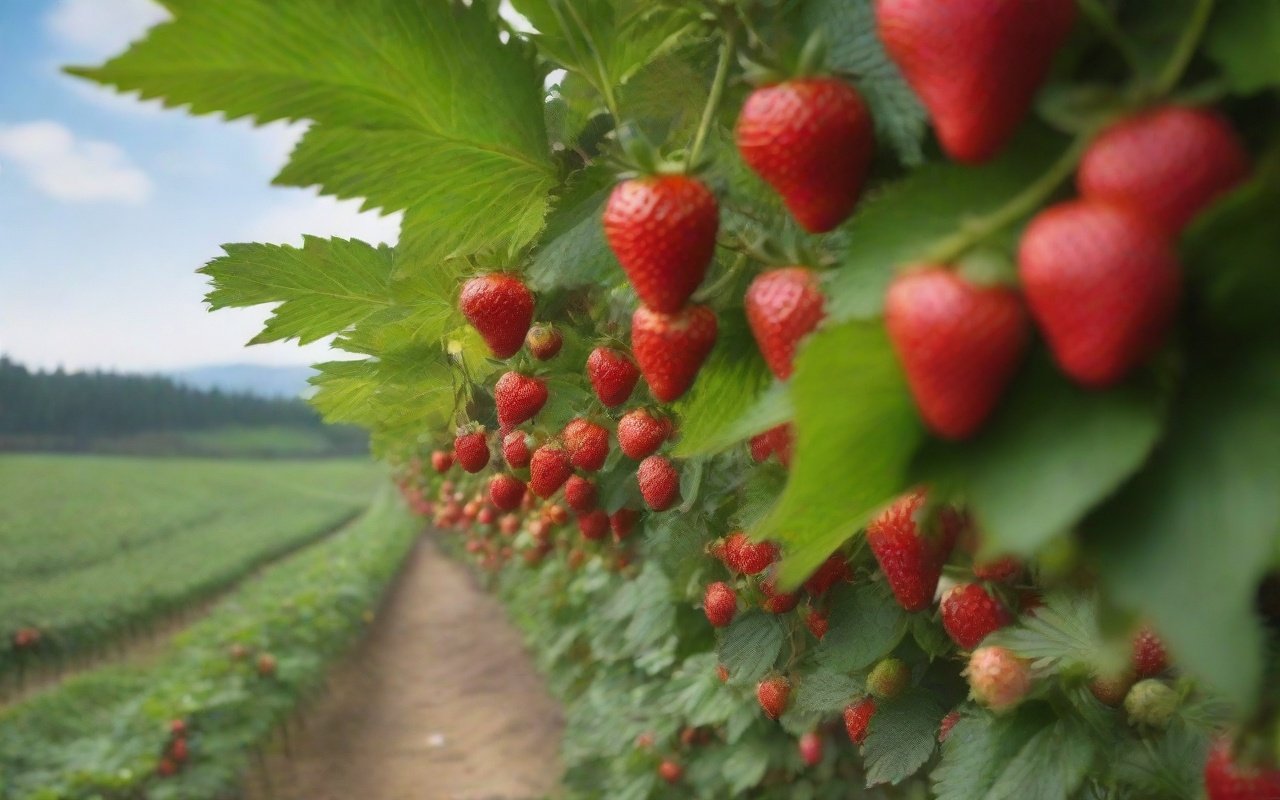
I tried strawberry picking at three farms across Miura Peninsula during peak season and compared their varieties, pricing, and accessibility. Here is my hands-on guide to the best picking experience. Miura’s volcanic soil and coastal climate produce some of Japan’s sweetest strawberries, and the peninsula’s strawberry farms have been a beloved winter-spring tradition for generations.
Getting There
By Train + Bus
From Tokyo:
- Tokyo Station → Keikyu Line (60 min)
- Misakiguchi Station → Keikyu Bus (15 min)
- Strawberry Farm Stop → Walk (5 min)
- Total: 90 minutes, ¥1,500
From Yokohama:
- Yokohama Station → Keikyu Line (40 min)
- Misakiguchi Station → Bus (15 min)
- Total: 65 minutes, ¥1,000
From Kamakura:
- Kamakura Station → Enoden → Keikyu (50 min)
- Misakiguchi Station → Bus (15 min)
- Total: 75 minutes. ¥1,200

By Car
From Tokyo:
- Route: Tomei Expressway → Miura IC
- Distance: 60 km
- Time: 60-90 minutes (traffic dependent)
- Toll: ¥2,000
- Parking: Free at most farms
From Yokohama:
- Route: Yokohama-Yokosuka Road
- Distance: 30 km
- Time: 40-50 minutes
- Toll: ¥1,000
Tip: Car is best for flexibility and visiting multiple farms in one trip.
Picking Techniques
How to Pick Ripe Berries:
- Color: Deep red all the way to the tip
- Size: Large but not oversized
- Stem: Green and fresh-looking
- Texture: Firm, not mushy
- Aroma: Sweet strawberry scent
How to Cut:
- Use the provided scissors
- Cut 1 cm above the berry, leaving the stem
- Don’t pull — this damages the plant
- Place gently in the basket
Strategy:
- Walk the entire greenhouse first before picking
- Sample one of each variety before committing
- Return to your favorites for a full basket
- Pace yourself — 40 minutes goes fast
Maximizing Value
Before You Go:
- Eat a light breakfast so you arrive hungry
- Wear comfortable clothes for moving through greenhouses
- Arrive early for the freshest berries and fewer crowds
During Picking:
- Limit drinks so you have room for strawberries
- Focus on premium varieties like Amaou and Beni Hoppe
- Eat slowly and savor each berry
- Walk around — the best berries are often at the back
After Picking:
- Buy premium berries to take home
- Pick up strawberry jam and sweets as unique souvenirs
- Leave a review online to help future visitors
Half-Day Strawberry Trip (Morning)
9:00: Depart Tokyo
10:30: Arrive at Miura Ichigo Land
10:45: Strawberry picking (40-60 min)
12:00: Explore the farm shop for souvenirs
12:30: Lunch at a nearby seafood restaurant
14:00: Return to Tokyo
Total: 5 hours, ¥8,000-12,000 per person
Full-Day Miura Peninsula Tour
9:00: Depart Tokyo
10:30: Strawberry picking at Miura Ichigo Land
12:00: Lunch at Misaki Port (fresh tuna)
13:30: Explore Misaki Port’s fish market
15:00: Visit Jogashima Island (scenic views)
17:00: Return to Tokyo
Total: 8 hours, ¥12,000-18,000 per person
Romantic Strawberry Date
10:00: Depart Tokyo by car
11:30: Strawberry picking at a premium farm
13:00: Lunch at an ocean-view restaurant
15:00: Walk around Jogashima
17:00: Watch the sunset at Inamuragasaki
19:00: Return to Tokyo
Total: 9 hours, ¥15,000-25,000 for two people

Farm Comparison Table
| Farm | Price | Varieties | Best For |
|---|---|---|---|
| Miura Ichigo Land | ¥2,200 | 8 types | Overall best, English support |
| Ichigo no Sato | ¥1,800 | 5 types | Budget-friendly, organic options |
| Takami Farm | ¥3,500 | 4 premium | Luxury experience, special occasions |
| Miura Kanko | ¥2,000 | 6 types | Groups and families |
| Akai Berry | ¥1,900 | 5 types | Red berry lovers |
Bottom Line: Miura Peninsula offers 20+ strawberry farms with all-you-can-eat picking from December to May. Miura Ichigo Land is best for English speakers with 8 varieties. Ichigo no Sato offers the best value. Takami Farm provides a premium luxury experience. Expect to pay ¥2,000-3,000 for 40-60 minutes. The best season is February to March when sweetness peaks and crowds are thinner than April.
Farm Recommendations from My Visits
I visited four strawberry farms on the Miura Peninsula, and my favorite was Yokota Farm. Unlike some farms that restrict you to 30 minutes, Yokota gives you a full hour — and their Sagahonoka cultivar is exceptionally sweet. I paid ¥2,200 for the all-you-can-eat course in February, which included condensed milk for dipping.
Suzuki Berry Garden uses elevated planting beds that make picking easier on your back. They grow the Akihime variety, which has a classic strawberry flavour with the perfect balance of sweet and tart. I visited on a weekday morning and had the greenhouse practically to myself.
Maruyama Farm is the smallest and most charming. Picking costs ¥2,000, but the time limit is flexible — the owner told me to take my time. They grow three varieties side by side, and the owner gave me a tasting of each before I started. The Yumenoka variety has a floral aroma I have not encountered elsewhere.
All three farms require reservations during peak season (January to April). I booked two days in advance via their websites. Bring cash — none of the farms accept cards, and the nearest ATM is at Misaki Port, about 10 minutes by car.
Tips
Practical notes from my trips to exploring the Miura Peninsula for its strawberry: confirm the latest hours on the official website, buy tickets in advance when you can, and leave extra time for trains and walking between stops. Keeping your first day lighter also helps you enjoy the second day without feeling rushed.
Frequently Asked Questions
Q: Is there a best time of day to visit?
A: Early mornings before 10 AM are ideal. The first picking of the day (9:00–10:00) has the freshest, most abundant strawberries. Weekdays are significantly less crowded than weekends.
Q: Which train line should I take?
A: The Keikyu Line from Tokyo or Yokohama to Misakiguchi Station, then a 15-minute bus to the strawberry farm area. Total journey: about 90 minutes from Tokyo.
Q: How much time should I spend at Miura for strawberry picking?
A: A half-day (4-5 hours) is sufficient for a single farm visit. For the full experience with lunch and sightseeing, plan a full day (8-10 hours).
Q: Do the farms accept credit cards?
A: Most farms are cash-only. Bring enough yen for admission, farm shop purchases, and lunch. The nearest ATM is at the convenience store near Misaki Port.
Packing Essentials
When exploring Kanagawa’s food scene, bring chopsticks if you prefer reusable options. A small container is handy for takeaway snacks. A translation app with camera feature helps decipher Japanese-only menus. Bring a small notebook to track restaurant discoveries.
Conclusion
The details in this guide come from real visits, and the biggest lesson I took away was that the best experiences in the Miura Peninsula rarely fit neatly into a checklist. During my visit to the Miura Peninsula I went with a rough plan and found that leaving room to wander made the trip far more memorable. Plan the essentials, keep your schedule flexible, and you will leave Kanagawa wanting to return.