
Sankeien Japanese Garden Guide 2026
Overview
Explore the rich cultural heritage and historical significance of Sankeien Japanese Garden Guide in Kanagawa Prefecture. This guide delves into the fascinating stories, traditions, and landmarks that define Sankeien. From ancient temples to modern museums, discover how this destination has shaped Japan’s cultural landscape over centuries.
Access
Getting to Kanagawa from Tokyo is straightforward by train, and most routes take well under two hours. During my trips I relied on an IC card for every connection and kept a bus timetable saved on my phone as backup. If you are staying overnight, look for accommodation near the station to save time.
The History of Sankeien
Sankeien was created by Hara Tomitaro (原富太郎, 1868–1939), a wealthy Yokohama silk merchant who used his fortune to collect and preserve historic Japanese architecture. His passion for traditional culture led him to acquire buildings that were at risk of demolition during Japan’s rapid modernization in the early 20th century.
Hara opened the garden to the public in 1906, and it has remained one of Yokohama’s most treasured cultural assets ever since. The name “Sankeien” (三渓園) means “Three Streams Garden,” referring to the three valleys on the property through which streams flow into a central pond.
The garden survived the great Kanto Earthquake of 1923 and World War II bombing relatively intact, and it was designated a National Place of Scenic Beauty in 1957. Today, it is maintained by the Sankeien Hara Tomitaro Memorial Foundation. — the quality and attention to detail were remarkable.

Arriving early in the morning gave me a completely different perspective compared to my previous afternoon visit — the light, the crowds, and the atmosphere were transformed.
The Two Garden Zones
Inner Garden (Naien)
The Inner Garden is the older, more intimate section that was originally part of Hara’s private residence. Entry to this section requires a separate ticket (¥700 for adults, or a combined ticket with the Outer Garden for ¥1,000). The Inner Garden features:
- The Hara Residence: A traditional wooden villa with a thatched roof, surrounded by a garden designed for moon-viewing
- Rinshunkaku Pavilion: A villa originally built in Kyoto in 1649, relocated to Sankeien in 1917. The pavilion features elegant shoin-zukuri architecture with painted sliding doors and a viewing platform over a pond
- Getsuro Pavilion: A tea house overlooking the pond, named for its reflection of the moon on the water
- Tenshin-do: A small shrine dedicated to the spirit of Chinese poetry
Outer Garden (Gaien)
The Outer Garden is the larger, more public section and the first area visitors enter. This is where most of the relocated historic buildings are displayed:
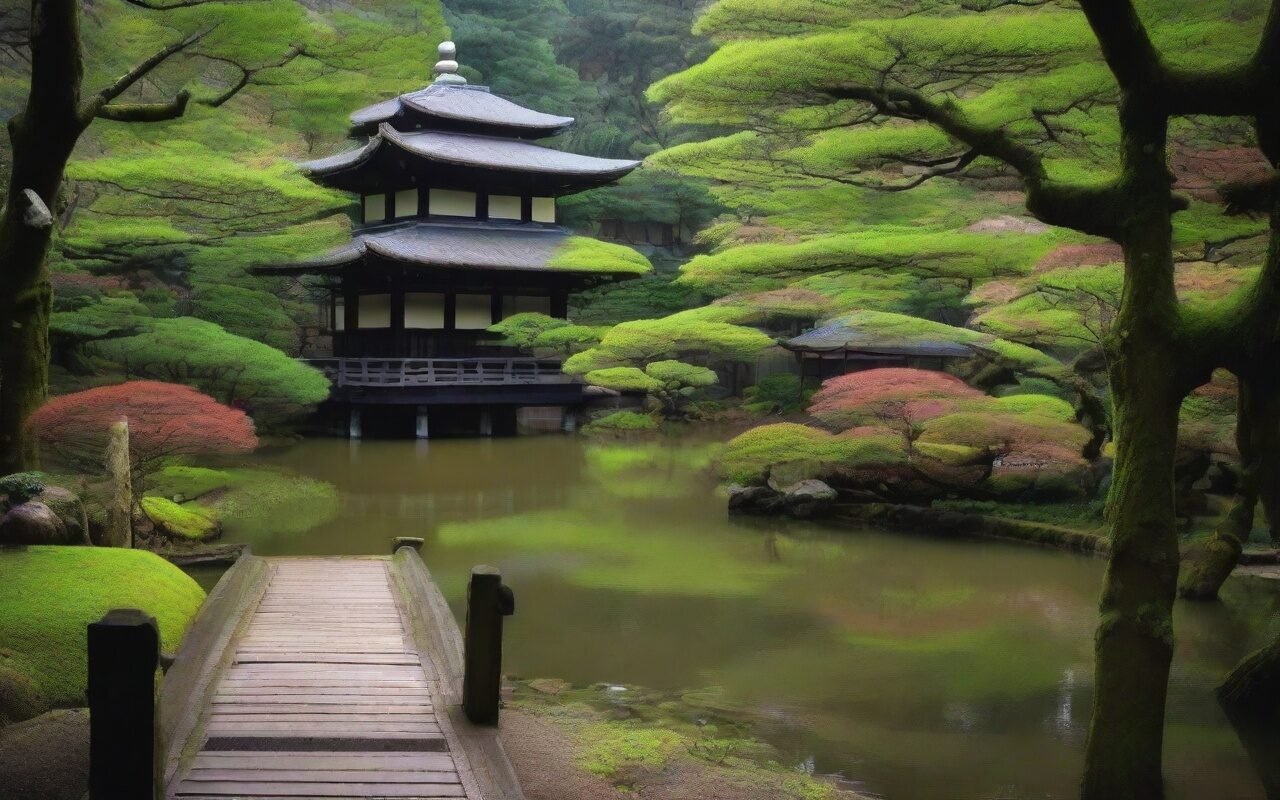
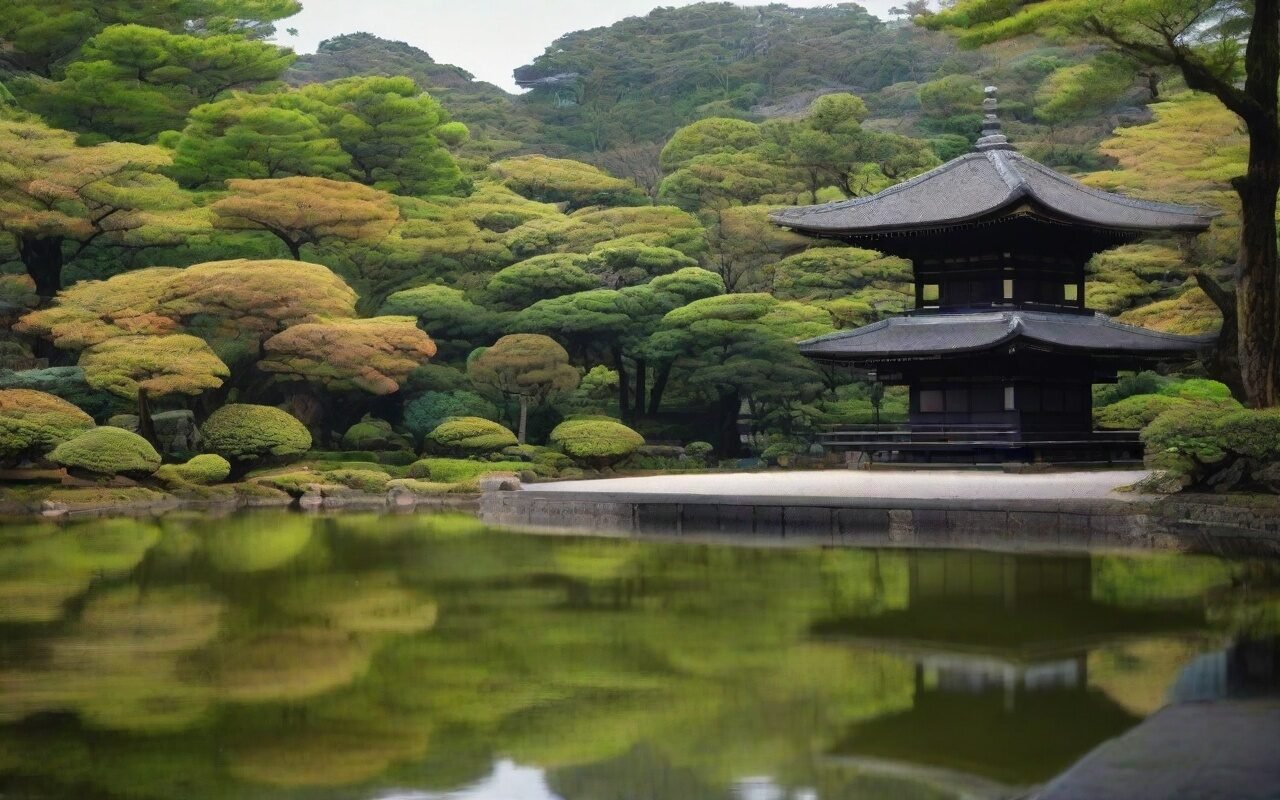
- Three-Story Pagoda: Originally built at Tomyoji Temple in Kyoto in 1457, this pagoda is the centerpiece of the Outer Garden. Its reflection in the central pond creates the garden’s most iconic view
- Choshu-tei: A farmhouse from Gifu Prefecture with a distinctive thatched roof, demonstrating the architectural style of rural Japan
- Shunkyo-en: A sake brewery owner’s residence from Kagawa Prefecture, featuring elegant earthen walls and a formal garden
- Seiko-do: A meditation hall originally built at Kiyomizu-dera Temple in Kyoto
Seasonal Highlights
Sankeien is spectacular in every season, making it worth visiting multiple times throughout the year: Spring (March–April): 500 cherry trees bloom, creating a pink canopy over the Outer Garden. The weeping cherry tree near the three-story pagoda is the most photographed spot. Plum blossoms precede the cherries, blooming from late February.
Summer (June–July): Irises along the pond edges, water lilies, and lush greenery. The hydrangeas near the farmhouse peak in late June. Summer evenings (mid-July to late August) feature special illumination events.
Autumn (November–early December): The garden’s 1,000+ maple trees turn brilliant shades of red and gold. The view from the Choshu-tei farmhouse across the pond to the pagoda framed by autumn foliage is unforgettable.
Winter (December–February): Camellias bloom from December through March. The winter landscape, with bare branches reflecting in the still pond, has a quiet beauty that appeals to photographers. Clear winter days offer occasional distant views of Mount Fuji.
Tea Ceremony Experience
Sankeien offers traditional matcha tea service at several tea houses within the garden for ¥700–¥1,000 per person. The tea ceremony experience includes a bowl of matcha and a seasonal sweet (wagashi), served while seated on tatami overlooking the garden. No reservation is needed — just walk in during operating hours.

📍 Location
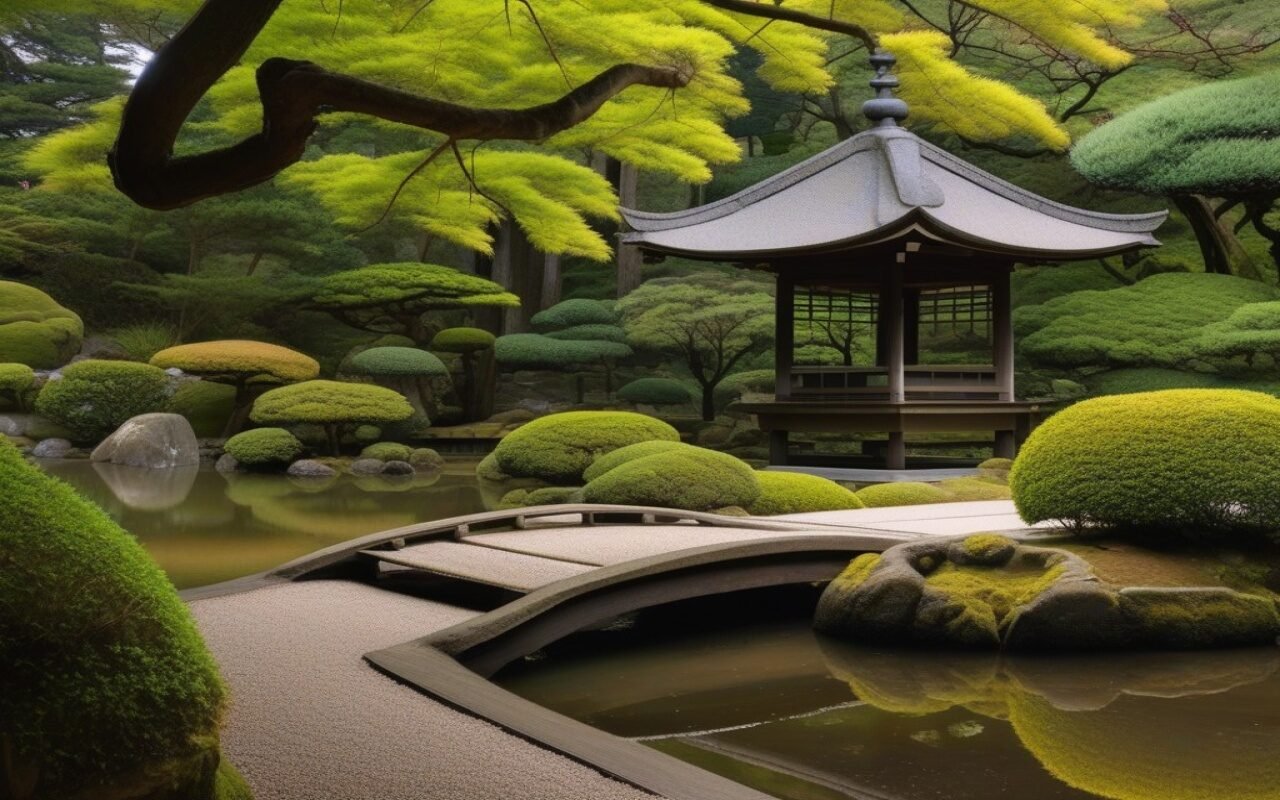
Sankeien is located at 58-1 Honmoku-Sannotani, Naka Ward, Yokohama. From Yokohama Station, take city bus #8, #58, or #99 from the East Exit bus terminal to the “Sankeien Iriguchi” stop (approximately 30 minutes, ¥220). From Motomachi-Chukagai Station on the Minatomirai Line, take the same buses (20 minutes).
💰 Budget Breakdown
| Item | Price |
|---|---|
| Outer Garden admission | ¥700 |
| Inner Garden admission | ¥700 |
| Combined ticket | ¥1,000 |
| Matcha and sweet | ¥700–¥1,000 |
| Bus round trip (Yokohama Station) | ¥440 |
| Typical visit cost | ¥1,500–¥2,500 per person |
Nearby Recommendations
Temples and shrines in Kanagawa are often clustered together. Many areas have charming streets with traditional shops and tea houses. Consider combining your visit with a nearby museum for historical context.

Local Tips
Visit just after opening for the most peaceful experience. Temple gardens are designed to be viewed from specific angles. Renting an audio guide enhances understanding. Weekday visits mean smaller crowds.
Money-Saving Tips
Many cultural sites offer online booking discounts. Temple fees are typically ¥200-500. Free English guided tours are available at major temples on weekends. Student and senior discounts are commonly available.
Packing Essentials
Dress respectfully with covered shoulders and knees. Comfortable socks are important for frequent shoe removal. A coin purse is useful for offering donations. A goshuincho (temple stamp book) makes a wonderful souvenir.
Dos and Don’ts
Do make a small offering (typically ¥5 coin) at shrine donation boxes. Do follow the proper procedure at shrines: bow twice, clap twice, pray, bow once. Do purchase a goshuincho (stamp book) for collecting temple stamps as a meaningful souvenir. Don’t wear shoes or slippers onto tatami mats or into prayer halls. Don’t eat or drink while walking through temple or shrine grounds. Don’t speak loudly in religious spaces.
What to Expect
Cultural sites in Kanagawa offer deep historical insights. Temples and shrines range from national treasures to local neighborhood shrines. Many have informative English displays. Photography is allowed outdoors but restricted inside buildings. Shoes must be removed in temple halls. Some temples offer meditation or calligraphy workshops.
Conclusion
The details in this guide come from real visits, and the biggest lesson I took away was that the best experiences in Kanagawa rarely fit neatly into a checklist. During my visit I went with a rough plan and found that leaving room to wander made the trip far more memorable. Plan the essentials, keep your schedule flexible, and you will leave Kanagawa wanting to return.