
Shin-Yokohama Ramen Museum Guide 2026
Overview
Explore the rich cultural heritage and historical significance of Shin-Yokohama Ramen Museum Guide in Kanagawa Prefecture. This guide delves into the fascinating stories, traditions, and landmarks that define Shin. From ancient temples to modern museums, discover how this destination has shaped Japan’s cultural landscape over centuries.

Introduction: The Museum Concept
When the Shin-Yokohama Ramen Museum opened in 1994, the idea of a food-themed amusement park was unprecedented. The founders wanted to create a place where visitors could experience the diversity of Japanese ramen — from Hokkaido’s miso ramen to Kyushu’s tonkotsu — without spending days traveling across the country.
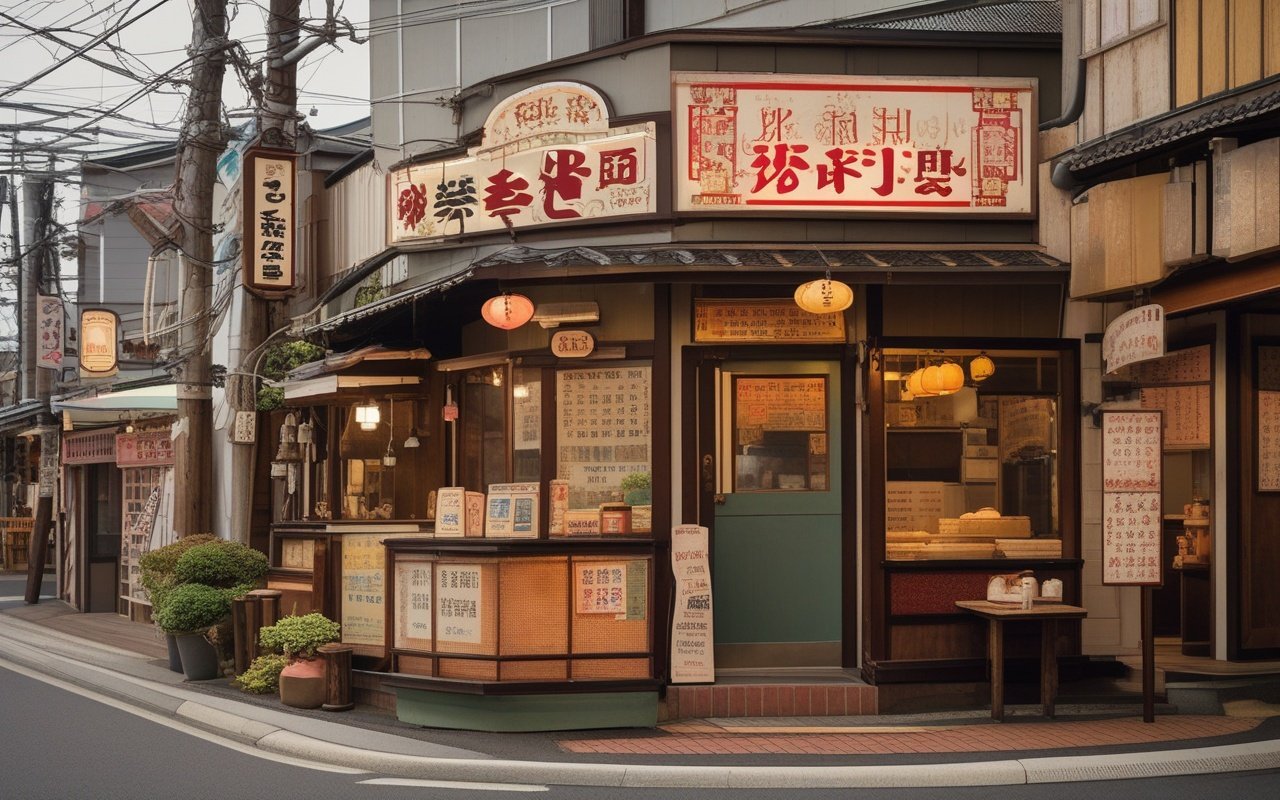
The key design decision was to set the museum in 1958, the year Momofuku Ando invented instant ramen (Chicken Ramen). The basement level was built as a full-scale indoor recreation of a Showa-era Tokyo streetscape, complete with retro signage, period advertisements, dim “sunset” lighting, and the sounds of the era.
Why 1958 Matters:
- First instant ramen (Chicken Ramen) launched
- Japan’s post-war recovery was in full swing
- Ramen was transitioning from street food to a national obsession
- The Showa atmosphere evokes nostalgia for older visitors and novelty for younger ones
How It Works
| Step | Detail |
|---|---|
| 1 | Purchase admission ticket at the entrance (ground floor) |
| 2 | Descend to the basement “1958 Tokyo” streetscape |
| 3 | Explore the retro street, visit shops, read menus |
| 4 | Choose a ramen shop and queue (no reservations) |
| 5 | Order from a vending machine or counter |
| 6 | Eat at communal counters or standing tables |
| 7 | Repeat — try a second or third bowl from different shops |
| 8 | Visit the gift shop, candy store, or museum shop on the way out |

The Showa Streetscape

Atmosphere
The basement level is the heart of the museum. The ceiling is designed to look like a dusky evening sky, with gradually dimming lights that simulate twilight. The street is lined with period-accurate shop fronts — a pharmacy, a tobacco shop, a barber, a candy store — interspersed with the ramen shops.
The attention to detail is extraordinary:
- Signage: Hand-painted signs in period typography
- Advertisements: Vintage posters for long-discontinued products
- Street furniture: Old mailboxes,公用電話 (public phones), bicycles
- Soundtrack: Showa-era popular music plays softly through hidden speakers
- Smells: The aroma of simmering broth mixes with the scent of old wood
Dagashi-ya (Traditional Candy Shop)
The retro candy shop sells classic Showa-era sweets:
- Ramune soda (¥150)
- Konpeito (star-shaped sugar candy, ¥200)
- Older-style chewing gum and chocolate (¥100–300)
- Traditional rice crackers (¥200–400)
Kateko Cafe
A Showa-style café serving:
- Classic pudding (¥400)
- Parfaits (¥600–800)
- Coffee and tea sets (¥500)
- Cream soda (¥500)
Featured Ramen Shops
The shop lineup changes periodically — typically every 6–12 months — as new regional shops are invited and old ones rotate out. This keeps the experience fresh for returning visitors. Below is the current lineup; check the official website for the latest list.
Current Selection (Summer 2026)
| Shop | Region | Style | Signature Bowl | Price |
|---|---|---|---|---|
| Hakata Issou | Fukuoka | Tonkotsu | Tonkotsu cappuccino (creamy pork broth) | ¥950 |
| Ramen Jiro | Tokyo | Garlic-heavy | Miso ramen with mountain of bean sprouts | ¥850 |
| Santouka | Hokkaido | Shio (salt) | Charshu ramen with tokotsu-shoyu broth | ¥1,100 |
| Kumamoto Ramen Kikusha | Kumamoto | Tonkotsu + garlic | Rich tonkotsu with garlic chips | ¥900 |
| Okinawa Soba Kokusai | Okinawa | Okinawa soba | Pork rib soba in clear broth | ¥1,000 |
Sample Sizes
Most shops offer a mini ramen option (約 half size, ¥500–700) for visitors who want to try multiple bowls. This is the recommended strategy — three mini bowls from different shops is more satisfying than one full bowl.
Eating Strategy for First-Time Visitors:
Option A: Regional Tour
1. Mini miso ramen (Hokkaido-style)
2. Mini tonkotsu (Hakata-style)
3. Mini shio ramen (Hokkaido-style)
Best for: Understanding regional differences

Option B: Contrast Tour
1. Full tonkotsu (rich, heavy)
2. Mini shio (light, clean)
3. Mini tsukemen (dipping noodles)
Best for: Maximum variety

Option C: Quick Visit (60 min)
1. One full bowl from whichever shop has the shortest queue
2. Dessert at Kateko Cafe
Best for: Limited time
Activities and Experiences
Ramen Making Class
The hands-on noodle-making class is the museum’s most popular activity.
| Detail | Info |
|---|---|
| Duration | ~90 minutes |
| Price | ¥1,500 per person |
| Language | Japanese (visual instructions provided) |
| Reservation | Required (book online or at the ticket counter) |
| Ages | 6 and up (children under 12 must be accompanied) |
What You Do:
- Mix flour and water (比例 is measured for you)
- Knead the dough by hand
- Use the Aodake-uchi technique — a traditional method where a bamboo pole is used to press and fold the dough repeatedly
- Cut the noodles by machine
- Take your fresh noodles home (they cook in 60 seconds)
Ra-haku Sugomen Lab
A newer addition where visitors create custom cup noodles:
| Detail | Info |
|---|---|
| Duration | 30 minutes |
| Price | ¥800 per cup |
| Language | All visual — no language barrier |
| Reservation | Walk-in (no booking needed) |
What You Do:
- Choose a cup design (draw or select a pattern)
- Select your broth base (shoyu, miso, tonkotsu, or curry)
- Pick 4 toppings from 12 options
- Watch your cup be sealed and packaged
- Take it home as a souvenir (good for 3 months)
Museum Shop
The ground floor shop sells:
- Rare instant ramen from across Japan (¥200–500 per pack)
- Ramen-themed merchandise (towels, chopsticks, bowls)
- Limited-edition collaboration products
- Regional ramen kits (make your own at home)
Practical Information
Admission Fees
| Category | Price |
|---|---|
| Adult (19+) | ¥450 |
| Youth (6–18) | ¥100 |
| Child (under 6) | Free |
| Re-entry | Allowed (hand stamp) |
Hours
| Day | Hours | Last Order |
|---|---|---|
| Weekdays | 11:00–21:00 | 20:30 |
| Weekends & Holidays | 10:30–21:00 | 20:30 |
| Closed | Dec 31 – Jan 1 | — |
Food Budget
| Item | Price Range |
|---|---|
| Full bowl of ramen | ¥850–1,200 |
| Mini ramen | ¥500–700 |
| Dessert at Kateko | ¥400–800 |
| Total for 2 bowls + dessert | ¥1,800–2,500 |
Access
From Tokyo Station:
1. JR Tokaido Shinkansen to Shin-Yokohama (20 min, ¥2,400)
   (Note: Free if covered by JR Pass)
2. Walk 5 minutes from the Shinkansen exit
Total: ~30 minutes, ¥2,400 (or free with JR Pass)

Alternate from Tokyo Station:
1. JR Yokohama Line to Shin-Yokohama (40 min, ¥350)
   (Local train, no Shinkansen needed)
Total: ~50 minutes, ¥350

From Yokohama Station:
1. Yokohama Municipal Subway Blue Line to Shin-Yokohama (10 min, ¥230)
2. Kyushu Shinkansen / JR Yokohama Line also available
Total: ~20 minutes, ¥230 From Shinagawa Station:
1. JR Tokaido Shinkansen to Shin-Yokohama (13 min, ¥1,650)
Total: ~20 minutes, ¥1,650When to Visit
Best times (shortest queues):
- Weekday mornings (11:00–12:00)
- Weekday evenings (after 18:00)
- Rainy days (fewer visitors)

Busiest times (longest queues):
- Weekends 12:00–14:00
- National holidays
- School holidays (spring, summer, winter breaks) Recommended strategy:
- Arrive at opening (11:00 on weekdays)
- Visit the ramen shops first (before 12:00)
- Explore the retro street and shops after eating
- Save the Ramen Making Class for after lunchTips for First-Time Visitors
✅ Bring cash — some vending machines are cash-only
✅ Start with a mini bowl from 2–3 different shops
✅ Share with a friend to try more varieties
✅ Visit the candy store for Showa-era nostalgia
✅ Take photos of the retro street before it gets busy
✅ Combine with a Shin-Yokohama Station visit (try the Shinkansen bento shops)

❌ Don't come with a full stomach (you will want to eat)
❌ Don't expect a quiet meal (it's lively and bustling)
❌ Don't skip the basement (the ground floor lobby is just the entrance)
❌ Don't forget your camera (the Showa street is highly photogenic)
Nearby Attractions
Shin-Yokohama is a convenient hub for exploring northern Yokohama:
- Yokohama Hakkeijima Sea Paradise — 25 min by train (covered separately in our Sea Paradise guide)
- Kohoku New Town — shopping and dining complex
- Nissan Stadium — home of the Yokohama F. Marinos
- Shin-Yokohama Station — the Shinkansen bento selection is excellent
For a full day, combine the Ramen Museum (morning) with Sea Paradise (afternoon).
Frequently Asked Questions
Q: Do I need to speak Japanese to enjoy the museum?
A: No. Menus have English and photos. The ramen-making class has visual instructions. Most visitors navigate without Japanese.
Q: Can I re-enter the museum after leaving?
A: Yes. Get a hand stamp at the exit and you can re-enter on the same day.
Q: Is the museum suitable for vegetarians?
A: Most ramen broths are meat-based (pork or chicken). Some shops offer vegetable-based options — ask at each counter. The Kateko Cafe has vegetarian-friendly desserts.
Q: How long should I plan to spend?
A: 2–3 hours for a relaxed visit with 2 bowls of ramen and exploration. Allow 4 hours if you want to do the ramen-making class.
Q: Can I buy tickets in advance?
A: Tickets are sold at the door only. No advance online sales. The queue moves quickly (it’s a large venue).
🌟 Share Your Experience
Visited the Ramen Museum? favorite shop in the current lineup? Join our community forum to share your ramen recommendations!
The Shin-Yokohama Ramen Museum is a testament to Japan’s ability to turn a humble bowl of noodles into a cultural experience. It is kitschy, crowded, and thoroughly entertaining — exactly what a food theme park should be. For ramen lovers, it is essential. For casual visitors, it is a fun and delicious way to spend a few hours in Yokohama. For more food adventures in Yokohama, read our Ie-kei ramen Yokohama guide and the comprehensive Yokohama ramen guide.
⏰ Best Time to Visit
Early morning (8–10 AM): Peaceful atmosphere, fewer crowds, perfect for photos Late afternoon (4–6 PM): Beautiful lighting, local life, less crowded than midday
🎯 What I Recommend
- Don’t rush: Take your time to explore the side streets and hidden spots
- Talk to locals: They often know the best lesser-known spots that aren’t in guidebooks
- Try the local specialties: Each area has its own unique food and souvenirs
⚠️ Things to Watch Out For
- Some shops close on weekdays or have irregular hours
- Parking can be challenging during peak seasons
- Cash is still king at many smaller establishments
Getting There
Best Time to Visit
Temples and cultural sites are most enjoyable during weekdays when crowds are smaller. Early morning before 9 AM offers a peaceful atmosphere. Spring and autumn provide the most pleasant weather for exploring outdoor sites. Many temples have seasonal events and special openings.
nn## What to ExpectnnVisiting historical sites in Kanagawa requires respect for local customs and traditions. Dress modestly when visiting temples and shrines – cover shoulders and knees. The atmosphere at cultural sites varies by season and time of day. Early morning visits offer a peaceful experience before crowds arrive. Many temples charge a small admission fee (¥200-500) that helps with preservation. Some sites close earlier in winter months. Check opening hours before planning your visit. Goshuin (temple stamp) books make wonderful souvenirs collected at each site.nnn### Local TipsnnCultural enthusiasts recommend visiting on weekdays when crowds are smaller and the atmosphere is more contemplative. Some temples offer special access to normally restricted areas during certain times of the year. Photography is best in early morning or late afternoon when the light creates dramatic shadows and warm tones. Dress in layers as temple buildings can be significantly cooler or warmer than outside.n
Conclusion
Whether you are planning exploring Yokohama for its ramen for the first time or returning for another visit, taking a little extra time to go beyond the obvious sights makes all the difference. During my visit to Yokohama I went with a rough plan and found that leaving room to wander made the trip far more memorable. I hope this guide helps you build an itinerary that fits your pace, and that your time in Kanagawa leaves you with memories worth coming back for.