
[Shonan](/articles/shonan-beach-cleanup-how-to-join/) Surf Eco Activities Guide 2026
Overview
I visited several surf schools along Shonan’s coastline while researching eco-friendly surfing options, and was impressed by how many prioritize environmental responsibility. At one school near Chigasaki, the owner showed me their wetsuit recycling program and explained how they sort resin waste — small details that make a real difference. This guide covers the best eco-conscious surf operators, reef-safe practices, and cleanup initiatives along the Shonan coast.
Choosing credible operators
Ask surf schools about their teacher to student ratios, insurance, and waste policies. Pick shops that fix boards in-house, sell used wetsuits, and sort their resin waste. Stay away from “eco” labels that only mean a logo sticker while they buy new gear every year.
Reef-safe sunscreen and local water chemistry
Some sunscreen chemicals worry towns that take their water from shallow wells. Zinc creams stain less on rental suits if you rub them in well before going in the water. Shower before you enter the ocean when you can. This cuts down on lotion washing off from hotel pools.
Cleanup ethics
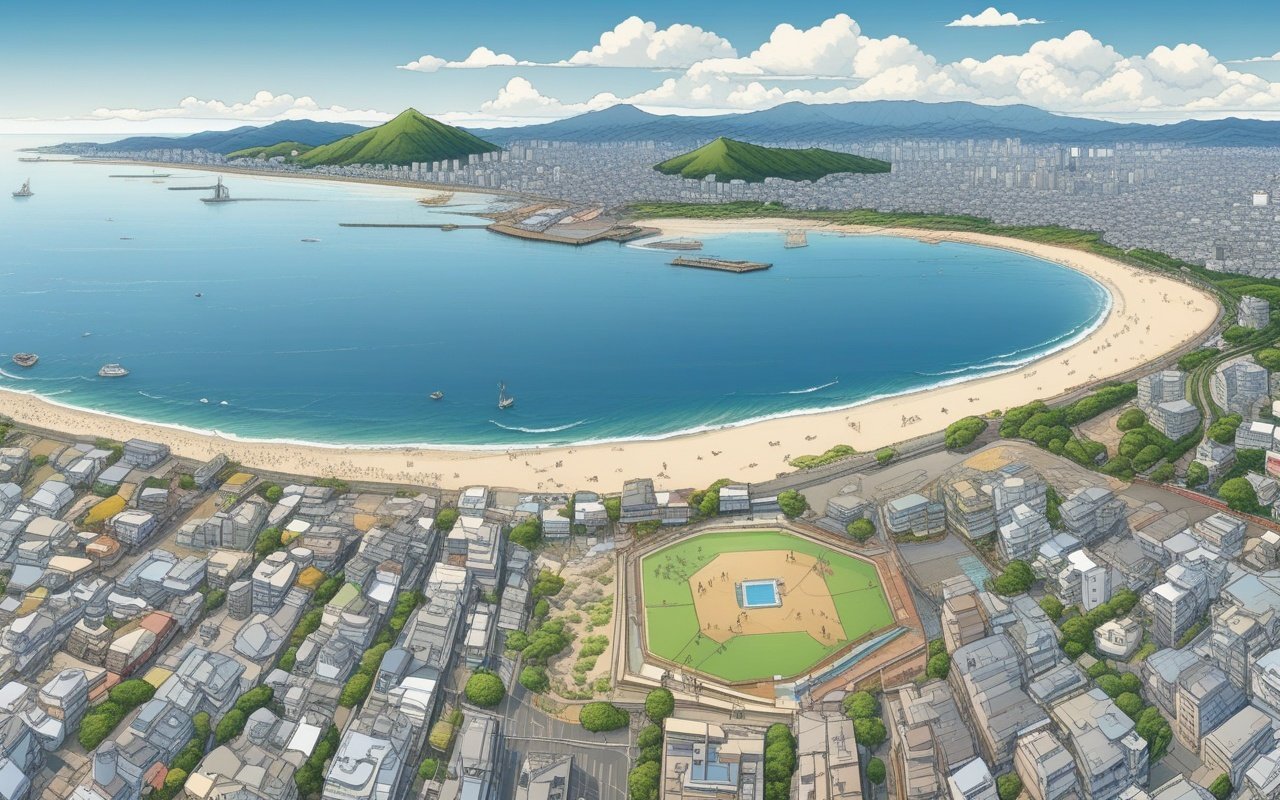


Beach cleanups that look good in photos should still sort trash the right way. Tiny plastic pellets go in labeled jars, not mixed with food waste. Sharp fishing line goes in hard containers. Work with local pickup schedules instead of filling station bins too full.
Links
Beach safety basics are in the Shonan beach guide. Surf culture and safety are in the Shonan surfing guide. Nature care in the area is in Kanagawa ecotourism. Kamakura’s trash facts are in the Kamakura access guide. Yokohama’s green travel routes are in Yokohama SDGs tourism. Indoor options near the brick area are in the Yokohama red brick guide.
Map reference
Citizen science and data hygiene
Use the same measurement methods each time you take photos of debris. This way, NGOs can compare data from month to month. Do not share exact locations when posting about sensitive wildlife areas.
Transport and gear footprint
Train travel plus bike rental is better than driving. This works if your board fits on the rental racks. Pack reusable gear such as gloves, grabbers, and mesh bags that dry fast.

Closing
Eco-friendly action is about daily habits, not a one-time badge. Use rinse stations that catch wax flakes. Fix gear instead of buying new ones. Tip instructors who teach good habits in the water. These small steps keep Shonan’s busy surf spots safe for people and ocean life.
Frequently Asked Questions
Q: How can I reduce waste while traveling?
A: Carry a reusable water bottle, shopping bag, and chopsticks. Japan has few public trash bins. Plan to carry your trash until you find one.
Q: Are there eco-friendly accommodations?
A: Yes, several Kanagawa hotels and ryokan have green certifications. Look for places with solar panels, local food, and waste reduction programs.
Q: Can I recycle in Kanagawa?
A: Yes, Japan has strict recycling rules. Look for separate bins for burnable items, non-burnable items, plastic, and PET bottles. Follow the sorting guides on the bins.
After visiting Kanagawa across different seasons, I found that each season transforms the experience entirely — from spring cherry blossoms to autumn foliage.
From sunrise swims to sunset surfs, Kanagawa’s coastline offers a different way to connect with the sea. It invites you to slow down and breathe.
Eco-Friendly Transport Options
The most sustainable way to reach this destination is by train. Kanagawas rail network runs on electricity and has a significantly lower carbon footprint than driving. Consider purchasing a day pass for unlimited travel and combine your visit with nearby attractions to minimize transport impact.

Best Time to Visit
Visiting during off-peak seasons late autumn and winter reduces the environmental impact of tourism and provides a more authentic experience with fewer crowds. Spring and autumn offer the most comfortable weather for outdoor exploration.
nn## What to ExpectnnEco-conscious travelers will find Kanagawa accommodating. The prefecture has invested in green infrastructure, including electric buses and bike-sharing programs. Seasonal eating is celebrated, with restaurants proudly featuring local, seasonal ingredients. Nature conservation areas are well-maintained with clear trail markers and educational signage. Some attractions offer discounts for visitors who arrive by public transport. Participating in local beach cleanups is a meaningful way to give back during your visit.nnn### Nearby RecommendationsnnThe surrounding area offers additional opportunities for eco-conscious travel. Nearby farmers markets provide fresh local produce and handmade crafts. Consider taking a guided nature walk to learn about local flora and fauna. Environmental education centers in the area offer workshops on traditional sustainable practices.nnn### Local TipsnnSustainability advocates recommend choosing local, seasonal, organic food options that support regional farmers. Walking and cycling are the most environmentally friendly ways to explore Kanagawa’s compact destinations. Purchasing local crafts directly from artisans preserves traditional skills and reduces shipping emissions. Consider offsetting your travel carbon emissions through reputable programs.n
Conclusion
exploring the Shonan coast can be as relaxed or as packed as you want it to be, and I have found that the best visits leave room for both planning and spontaneity. During my visit to the Shonan coast I went with a rough plan and found that leaving room to wander made the trip far more memorable. Use this guide to sort out the logistics in advance, then let the day surprise you — Kanagawa rewards travelers who stay curious.