
Yokohama Chinatown Walking Tour – History, Food & Culture
Overview
I explored Yokohama Chinatown’s vibrant streets over multiple visits, each time discovering a new layer of its 160-year history. From the ornate gates to hidden alleys, the blend of Chinese and Japanese culture here is unlike anywhere else in Japan. stretching back to 1859 when the Port of Yokohama opened to foreign trade. Today, 500+ restaurants and shops occupy a compact six-block area, making it one of the most concentrated Chinese culinary destinations outside of China. But beyond the food, Chinatown’s five ornate gates, the magnificent Kanteibyo temple, and the layered history of the Chinese community make it a cultural destination worth exploring on foot.
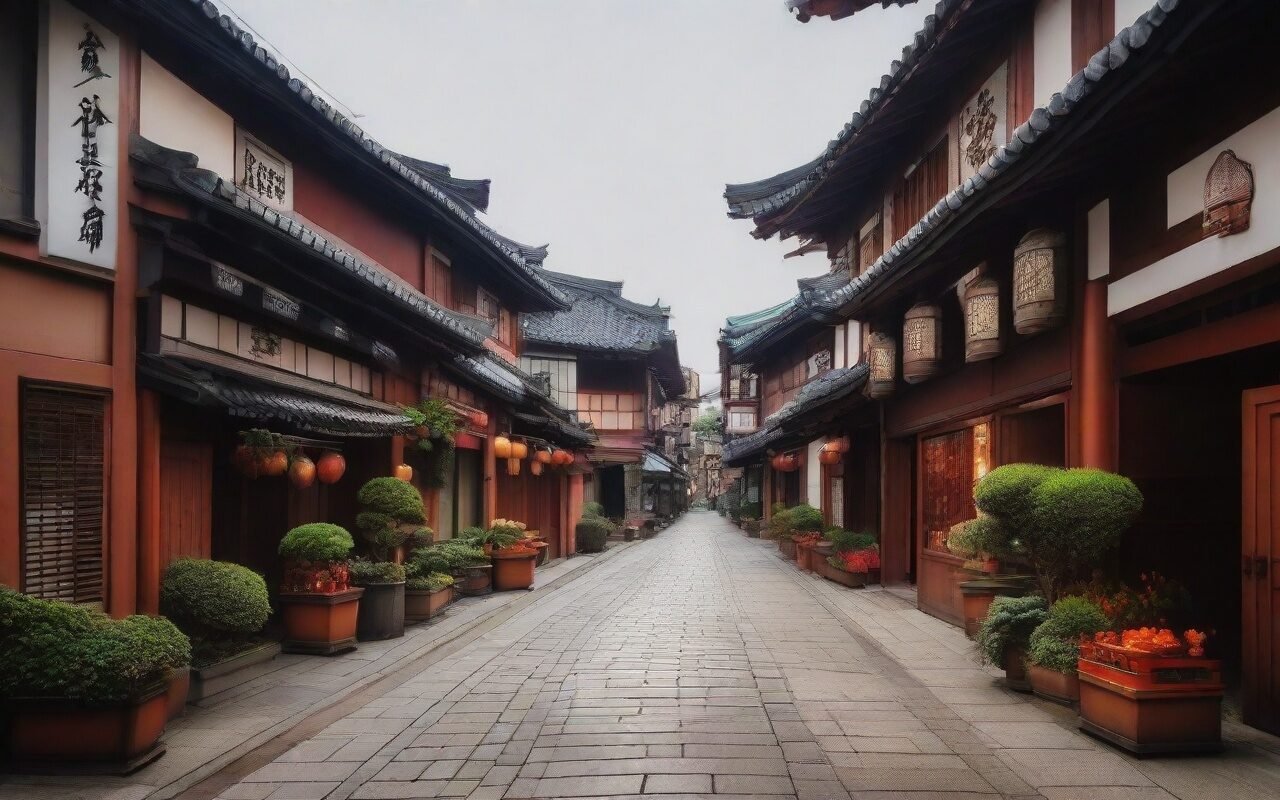
I spent a weekday morning walking Chinatown from the Zenrimmon Gate (east entrance) to Kanteibyo, then circling back through the side streets. The contrast between the bustling main street and the quiet residential alleys was striking — within two blocks you move from crowds of tourists buying steamed buns to elderly residents hanging laundry above family-run kitchens. For more Chinatown experiences, see our Yokohama Chinatown food guide or hidden menu gems guide.

Access
Getting to Yokohama from Tokyo is straightforward by train, and most routes take well under two hours. During my trips I relied on an IC card for every connection and kept a bus timetable saved on my phone as backup. If you are staying overnight, look for accommodation near the station to save time.

History: 160 Years of Chinese-Japanese Culture
| Period | Event |
|---|---|
| 1859 | Yokohama port opens to foreign trade |
| 1860s | Chinese immigrants arrive as interpreters and craftsmen |
| 1860s–70s | First Chinese shops and restaurants established |
| 1870s | Community grows to 1,000+ residents |
| 1880s | Kanteibyo temple constructed |
| 1890s | Community organizations and schools founded |
| 1923 | Great Kanto Earthquake destroys much of Chinatown |
| 1945 | Wartime damage; community rebuilds |
| 1970s | Tourism boom transforms Chinatown from residential to commercial |
| 2000 | Kanteibyo rebuilt in its current grand form |
| 2020s | 20+ million annual visitors |
The Chinese community that formed in Yokohama was unique — unlike the Chinatowns of San Francisco or London, which were built by labor migrants, Yokohama’s Chinese community initially consisted of merchants and interpreters who served as intermediaries between Japanese and Western traders. This merchant class established a Chinatown that was from the start more upscale and commercially sophisticated.

The Five Gates
Chinatown’s five ornate gates (mon) mark its boundaries and each represents a direction and element. Walking through all five makes for a natural 2-hour tour.
| Gate | Location | Color | Meaning |
|---|---|---|---|
| Zenrimmon | East entrance (main) | Red and gold | Friendship between Japan and China |
| Enpeimon | West entrance | Blue and gold | Everlasting peace |
| Seiyumon | South entrance | Green and gold | Welcome to visitors |
| Seigimon | North entrance | Black and gold | Guard against evil |
| Tobumon | Northeast gate | White and gold | Success and advancement |
My Experience: The Zenrimmon Gate at the east entrance is the most photographed, but I found the Seiyumon Gate (south) more interesting — it faces toward the port, and standing there you can imagine Chinese merchants arriving by ship in the 1860s. The side streets near Seiyumon also have the most authentic, less touristy restaurants.
Kanteibyo: The Spiritual Heart
Kanteibyo is a Chinese temple dedicated to Guan Yu, the Chinese god of commerce and loyalty. The current structure, completed in 2000, is a stunning example of traditional Chinese temple architecture, with intricate carvings, colorful tiles, and ornate roof ridges.
My Visit: I entered through the main gate at 10:00 AM on a weekday. The courtyard was busy but not crowded. The temple’s most striking feature is the ceiling inside the main hall — covered with hundreds of painted panels depicting scenes from Chinese mythology. The temple grounds also have a small museum (¥100) with photographs of Chinatown from the 1920s and 1930s that are fascinating to compare with the present day.
Practical Info:
- Admission: ¥500 (includes incense)
- Hours: 9:00-18:00
- Best time: Weekday mornings (least crowded)
- Photography: Allowed in courtyard and main hall; flash prohibited
Walking Tour Route
Duration: 2-3 hours (food-focused) or 3-4 hours (history + food) Route:
- Start at Zenrimmon Gate (east side, closest to Motomachi-Chukagai Station)
- Walk west on the main street — sample freshly made nikuman (steamed buns) along the way Experience 60-min tea ceremony in Kamakura — learn to whisk matcha in a tranquil Zen setting
- Turn right at the second intersection to reach Kanteibyo (10 min walk)
- Spend 30-45 minutes at the temple, including the museum
- Circle back through the side streets south of the main street
- Exit through Seiyumon Gate (south), then walk to Yamashita Park for waterfront views For food recommendations along this route, see our Chinatown food guide.
Must-Try Chinatown Foods
| Dish | Typical Price | Where to Find |
|---|---|---|
| Nikuman (steamed buns) | ¥200-400 | Street stalls, any gate entrance |
| Shumai (shrimp dumplings) | ¥500-800 | Specialty shops on main street |
| Butaman (pork buns) | ¥200-300 | Mei Chun (most famous shop) |
| Peking duck | ¥3,000-5,000 | Full-service restaurants |
| Almond jelly | ¥300-500 | Dessert shops near Kanteibyo |
Tips
Practical notes from my trips to exploring Yokohama for its food: confirm the latest hours on the official website, buy tickets in advance when you can, and leave extra time for trains and walking between stops. Keeping your first day lighter also helps you enjoy the second day without feeling rushed.
Frequently Asked Questions
Q: How long should I spend in Chinatown?
A: 2-3 hours for a food-focused visit, 3-4 hours if you include Kanteibyo and the history walk. Many visitors combine Chinatown with Yamashita Park (10 min walk) for a half-day outing.
Q: What is the best time to visit?
A: Weekday mornings (10:00-11:30 AM) are the least crowded. Weekends are extremely busy, especially Sunday afternoons. Chinatown is lively year-round, but Chinese New Year (January-February) features special decorations and performances.
Q: Is Chinatown suitable for vegetarians?
A: Yes, with caveats — Chinese Buddhist restaurants offer vegetarian versions of classic dishes. Look for “vegetarian” signs in English. Many steamed bun shops sell vegetable versions (¥200-300).
Q: Are there food samples?
A: Many steamed bun and dumpling shops offer small samples. Shop owners are generally happy to let you try before buying. This is an excellent way to find your favorites.
Q: How do I get to Chinatown from Tokyo?
A: Take the JR Tokaido Line to Yokohama Station (30 min, ¥590), then transfer to the Minatomirai Line bound for Motomachi-Chukagai Station (10 min, ¥180). Exit the station and you are at the Zenrimmon Gate.
Q: Is Chinatown expensive?
A: Street food is affordable (¥200-800 per item). Full-service restaurant meals cost ¥2,000-5,000 per person. Budget ¥3,000-5,000 for a satisfying food tour with several stops.
Conclusion
The details in this guide come from real visits, and the biggest lesson I took away was that the best experiences in Yokohama rarely fit neatly into a checklist. During my visit to Yokohama I went with a rough plan and found that leaving room to wander made the trip far more memorable. Plan the essentials, keep your schedule flexible, and you will leave Kanagawa wanting to return.