
[Yokohama](/articles/yokohama-chinatown-history-walk/) Port Opening History 2026
Overview
I explored Yokohama’s port district on a guided walking tour last spring, tracing the old pier lines that once handled silk exports bound for Europe. The guide pointed out where the original stone quays still sit beneath modern concrete decks — a layer of history that most visitors walk over without noticing. This guide covers the key stories, landmarks, and harbor walks that bring Yokohama’s port heritage to life. Experience cherry blossom season in Kamakura & Yokohama — guided hanami tour with stunning sakura views

Piers, silting, and dredging cycles
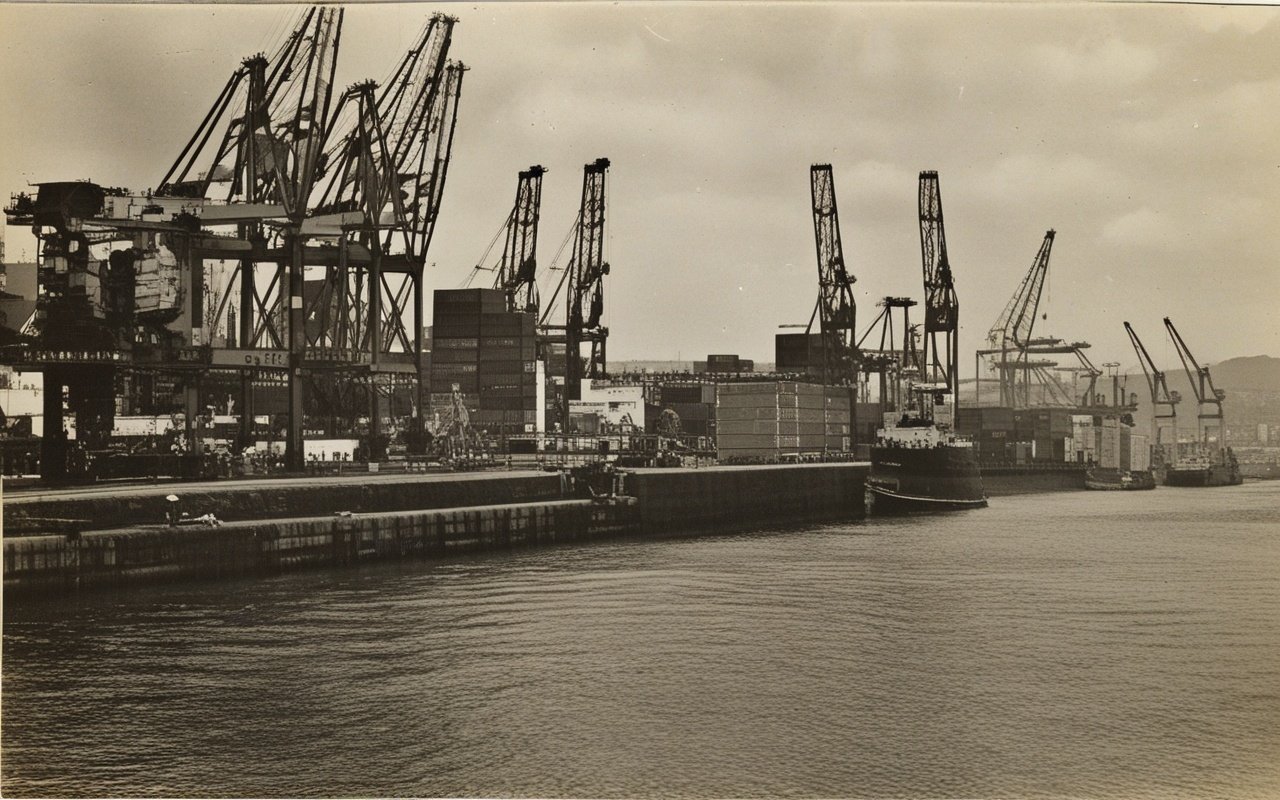
Storm winds move sand and mud around harbor mouths. How much money a city spends on upkeep decides which walkways stay open. Look at old photos of wooden piers and compare them to today’s cruise ship docks. You can see how ideas about weight and support have changed over time.

Rail connection to interior markets
Faster trains changed what farmers could earn across the Kanto region. Grain and silk routes met at Yokohama’s weighing stations and warehouses. Walk through Kannai today and you can still see where train tracks ran at street level, before they were raised up.
Links
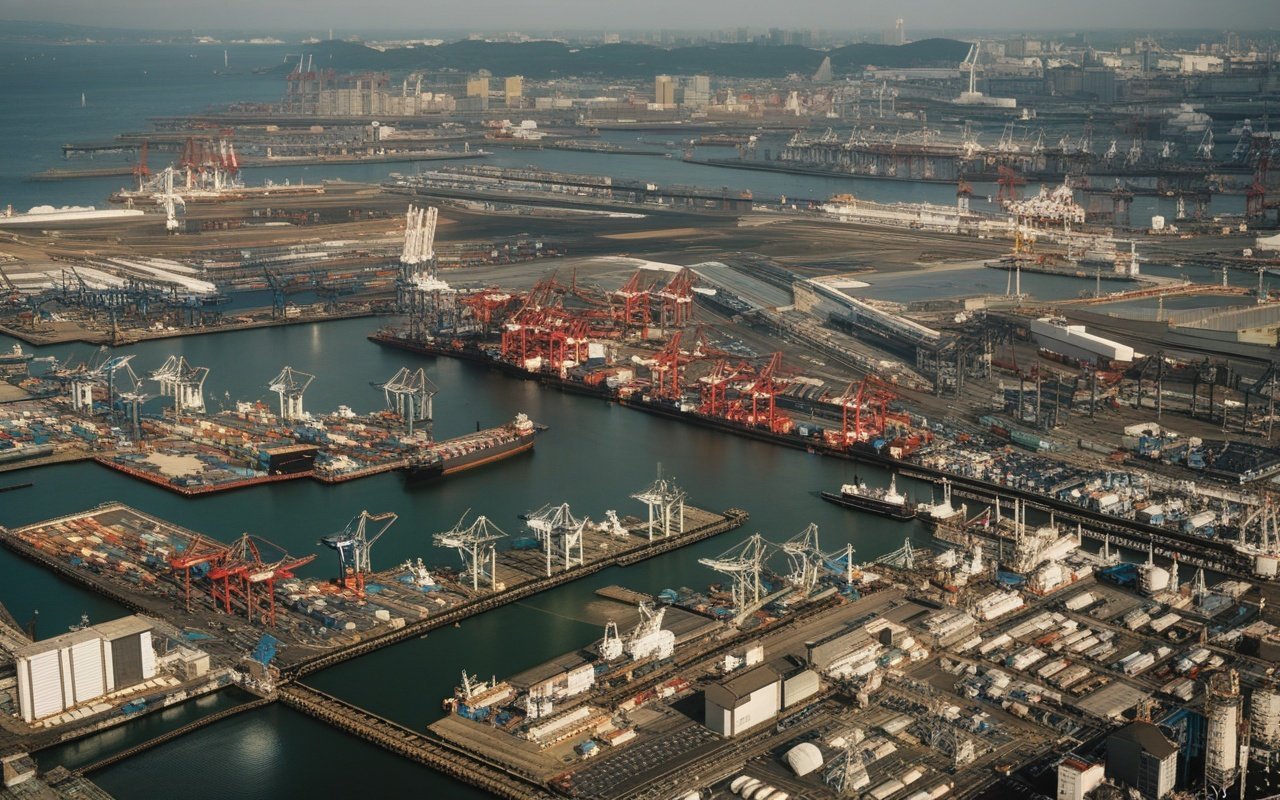
Yokohama port opening history sub 2 is a great spot to visit. It has natural beauty and is easy to reach from nearby train and bus stops. Get the Minato Burari Ticket — unlimited transport and discounts in Yokohama’s Minatomirai bay area
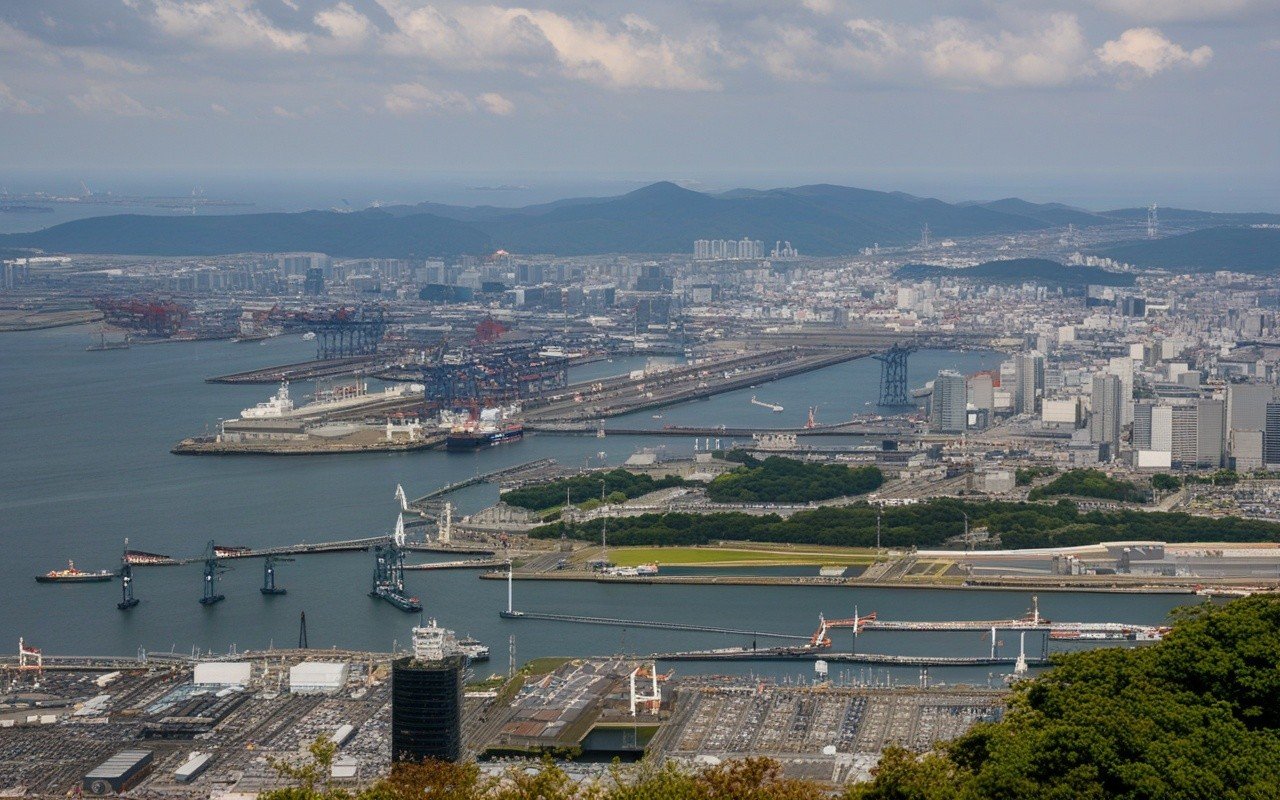
Chinatown’s migrant trade history is covered in Yokohama Chinatown history. Kannai’s museum area is in the Yokohama Kannai area guide. Brick warehouses along the water are in the Yokohama red brick guide. Evening walking tours are in the Yokohama historical walk. Green tourism ideas are in Yokohama SDGs tourism. Nature trips across the prefecture are in Kanagawa ecotourism.
Map reference
Quarantine, pilots, and signal flags
Sick crews used to be kept on islands or barges near the port. Today, pilots still board moving ships by climbing ladders that look scary to most people. Stay away from restricted pier areas. A telephoto lens lets you see the action without going where you should not.
Closing
Port history is really about how things work. Read the information signs, yes. But also look at fender replacements, tide gates, and ferry wakes. These are the living remains of the bold choices that built modern Yokohama.
Frequently Asked Questions
Q: Are English guides available?
A: Major temples, shrines, and museums offer English audio guides or pamphlet guides. Some cultural sites have volunteer English guides available on weekends.
Q: Can I take photographs?
A: Photography is generally allowed in outdoor areas. Indoor photography, especially of cultural artifacts, may be restricted. Flash photography is commonly prohibited.
Q: How much time should I budget?
A: For temples and shrines, budget 30-60 minutes. Museums typically require 1-2 hours. Cultural experiences (tea ceremony, craft workshops) take 1-2 hours.
Q: Are there any dress codes?
A: No strict dress codes, but dressing respectfully is appreciated at temples and shrines. Avoid overly revealing clothing. Comfortable walking shoes are recommended.
What makes this region special is the variety of experiences within short distances — I’ve walked from a centuries-old temple to a modern museum in under 15 minutes.
The stories in Kanagawa’s landmarks and artifacts connect the past to the present. They offer a meaningful journey through Japan’s culture.
How to Get There
Temples and cultural sites are generally accessible by train plus a short walk. Many temples in Kamakura and Hakone are clustered together, allowing you to visit multiple sites on foot. Wear comfortable walking shoes as some temples are located on hills or up stone staircases.
nn## What to ExpectnnCultural sites in Kanagawa offer a window into Japan’s rich history. Temples and shrines range from centuries-old national treasures to peaceful neighborhood shrines. Many sites have informative English displays or offer audio guides for a small fee. Photography is generally allowed in outdoor areas but often restricted inside temple buildings. Shoes must be removed when entering temple halls and traditional buildings. Some temples offer unique experiences like zazen meditation, calligraphy workshops, or garden tours.nnn### Nearby RecommendationsnnAfter visiting the main cultural site, explore the surrounding neighborhood to discover smaller temples, shrines, and historical landmarks. Many areas have cultural walking routes mapped out by local tourism boards. Traditional craft workshops and hands-on cultural experiences are often located near major temples. Local museums frequently offer combined tickets with nearby cultural sites.nnn### Local TipsnnCultural enthusiasts recommend visiting on weekdays when crowds are smaller and the atmosphere is more contemplative. Some temples offer special access to normally restricted areas during certain times of the year. Photography is best in early morning or late afternoon when the light creates dramatic shadows and warm tones. Dress in layers as temple buildings can be significantly cooler or warmer than outside.n
Conclusion
exploring Yokohama can be as relaxed or as packed as you want it to be, and I have found that the best visits leave room for both planning and spontaneity. During my visit to Yokohama I went with a rough plan and found that leaving room to wander made the trip far more memorable. Use this guide to sort out the logistics in advance, then let the day surprise you — Kanagawa rewards travelers who stay curious.