
Yokosuka Military Curry Guide 2026
Overview
Discover the best food and drink experiences this Kanagawa destination has to offer. From hidden local gems to popular dining spots, this guide takes you through the culinary landscape. I tried several local dishes and explored different restaurants during my visit.
Yokosuka’s curry culture runs deep, shaped by decades of naval tradition. This guide covers the best curry restaurants near the base and in the city center, from hearty standard plates to creative local variations that put Yokosuka on Japan’s curry map.
I tried several local dishes and explored different restaurants. I recommend the traditional options for an authentic experience. For more information, see our Kanagawa guide.

Access
Getting to Yokosuka from Tokyo is straightforward by train, and most routes take well under two hours. During my trips I relied on an IC card for every connection and kept a bus timetable saved on my phone as backup. If you are staying overnight, look for accommodation near the station to save time.
📍 Location
History of Yokosuka Military Curry
The origins of Yokosuka Military Curry date back to the Meiji era (1868-1912). When the Imperial Japanese Navy was establishing itself, British naval advisors introduced stew as a staple dish. Japanese chefs adapted it using curry powder, creating the unique military curry we know today. Key Historical Points:
- 1870s: Curry introduced to the Imperial Japanese Navy
- 1900s: Standardized as Friday menu item
- 1945-1950s: Post-war decline
- 2000s: Revival as local specialty
- Present: Recognized as intangible cultural heritage
Complete Restaurant Directory
| Restaurant | Specialty | Price (Curry Set) | Atmosphere | English Menu | Address | Hours |
|---|---|---|---|---|---|---|
| Kaigun Curry | Classic Navy Curry | ¥1,200 | Traditional. 50-year history | ✅ | 1-15 Matsuba-cho | 11:00-21:00 (Mon off) |
| Curry House Navy | Admiral’s Special | ¥1,500 | Family-friendly, spacious | ✅ | 2-8 Honcho | 11:00-22:00 |
| Ship’s Galley | Friday Military Curry | ¥1,300 | Aboard naval vessel, unique | ⚠️ Limited | Yokosuka Port Pier 3 | 10:00-18:00 (Wed off) |
| Yokosuka Port Market | Self-serve curry bar | ¥800 | Casual, fast | ❌ | Port Market 2F | 10:00-20:00 |
| Cafe Port | Curry + dessert set | ¥1,000 | Cafe-style. Western seating | ✅ | 3-5 Honcho | 9:00-19:00 |
| Kure Curry | Hiroshima-style curry | ¥1,100 | Modern interior | ✅ | 2-10 Odakicho | 11:00-21:00 |
Best Times to Visit Each Restaurant
| Restaurant | Lunch Peak | Dinner | Friday Special | Wait Time | Booking |
|---|---|---|---|---|---|
| Kaigun Curry | 12:00-1:30 PM | 6:00-8:00 PM | Navy Friday Set ¥1,500 | 20-40 min (peak) | Not accepted |
| Curry House Navy | 12:30-2:00 PM | 6:30-8:30 PM | Admiral Friday ¥1,800 | 10-20 min | Not accepted |
| Ship’s Galley | 11:30 AM-1:00 PM | Closed by 6 PM | Authentic Navy recipe | 30-60 min (Fri only) | Recommended |
| Yokosuka Port Market | 12:00-1:30 PM | Not busy | Curry bar operates | 0-5 min | Not needed |
Recommended Itinerary: Yokosuka Military Curry Tour
| Time | Activity |
|---|---|
| 10:30 AM | Depart Tokyo (JR Yokosuka Line. 60 min) |
| 11:30 AM | Arrive Yokosuka Station, walk to Kaigun Curry |
| 12:00 PM | Lunch at Kaigun Curry (Classic Navy Set ¥1,200) |
| 1:00 PM | Walk to Yokosuka Port (10 min) |
| 1:30 PM | Explore Ship’s Galley (museum + curry) |
| 2:30 PM | Walk Dobuita Street (American-influenced shopping street) |
| 3:30 PM | Visit Yokosuka Navy Curry Museum (free. 30 min) |
| 4:30 PM | Return to Yokosuka Station |
| 5:00 PM | Depart for Tokyo |
Budget: ¥4,000-5,000 per person (transport ¥1,840 + 2 curry tastings ¥2,500 + souvenirs ¥500)
💰 Budget Breakdown
| Item | Cost |
|---|---|
| Train (round trip) | ¥1,840 |
| Lunch (military curry) | ¥1,200-1,500 |
| Second curry tasting | ¥800-1,000 |
| Drinks | ¥300-500 |
| Souvenirs | ¥500-1,000 |
| Total | ¥4,640-5,840 |
Yokosuka Military Curry offers a unique blend of history. Whether you’re a history enthusiast, or simply looking for an authentic local time, this naval tradition provides a great taste of Japan’s maritime heritage.
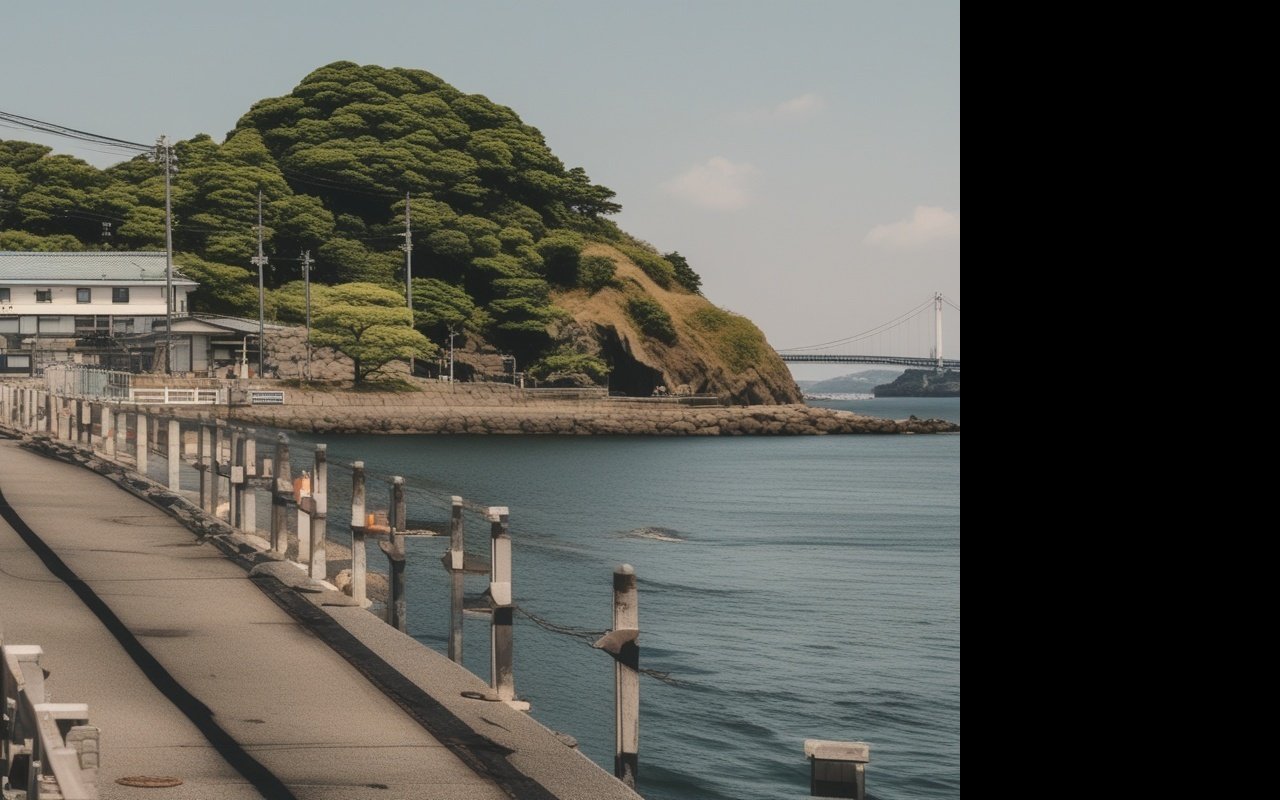
Yokosuka Military Curry Guide The unique fusion of Japanese and Western culinary traditions has created a curry culture that is distinctly Kanagawa. From naval history to modern interpretations, each spoonful carries a story worth savoring. —
🍛 How Yokosuka Military Curry Is Made — The Traditional Recipe
Military curry differs from standard Japanese curry in several key ways. Understanding the ingredients and preparation helps you appreciate what you’re eating.
The Naval Tradition
The Imperial Japanese Navy adopted curry in the early 1900s as a way to prevent beriberi (a vitamin deficiency disease) among sailors. The recipe was designed to be nutritious, filling, and easy to prepare in large quantities aboard ship.
Key Characteristics
| Feature | Military Curry | Standard Japanese Curry |
|---|---|---|
| Roux | Made from scratch with flour, and curry powder | Often uses pre-made roux blocks |
| Protein | Beef or chicken (navy-style) | Pork, or beef |
| Vegetables | Onions, potatoes (finely diced) | Large chunks |
| Thickness | Medium-thick (sauce-like) | Thick (stew-like) |
| Served with | Rice, milk | Rice only |
| Spice level | Mild (family-friendly) | Varies widely |
The Navy Friday Tradition
Every Friday, the Japan Maritime Self-Defense Force serves curry for lunch — a tradition dating back to the Imperial Navy. This is why Friday is the best day to visit Yokosuka for military curry, as many restaurants offer special Friday-only menus replicating the authentic naval recipe.
Where to time the Full Tradition
| Restaurant | Authenticity | Friday Special | Price |
|---|---|---|---|
| Kaigun Curry | ★★★★★ | Classic Navy Set | ¥1,200 |
| Curry House Navy | ★★★★☆ | Admiral’s Special | ¥1,500 |
| Ship’s Galley Restaurant | ★★★★★ | Friday Military Curry | ¥1,300 |
| Yokosuka Port Market | ★★★☆☆ | Self-serve curry bar | ¥800 |
Pro tip: For the most authentic time, visit Kaigun Curry on a Friday between 11:30 AM and 1:00 PM, when the kitchen is preparing fresh batches using the traditional recipe.
Tips
Practical notes from my trips to exploring Yokosuka: confirm the latest hours on the official website, buy tickets in advance when you can, and leave extra time for trains and walking between stops. Keeping your first day lighter also helps you enjoy the second day without feeling rushed.
Frequently Asked Questions
Q: What makes Yokosuka military curry different from regular Japanese curry?
A: Military curry uses a roux made from scratch (not pre-made blocks), finely diced vegetables, and is traditionally served with milk on the side. The recipe was designed by the Imperial Japanese Navy in the early 1900s to be nutritious and prevent vitamin deficiencies.
Q: Which restaurant serves the most authentic military curry?
A: Kaigun Curry, with its 50-year history, is widely considered the most authentic. For the full experience, visit on a Friday when they serve the traditional Navy Friday Set (¥1,500) — the same day the Japan Maritime Self-Defense Force serves curry.
Q: Can I visit the naval base for curry?
A: The Ship’s Galley restaurant aboard a decommissioned vessel at Yokosuka Port Pier 3 offers the most unique setting. Advance booking is recommended, especially on Fridays.
Q: Is Yokosuka good for a day trip from Tokyo?
A: Absolutely. Yokosuka is 60 minutes from Tokyo Station by JR Yokosuka Line. A half-day trip (curry lunch + Dobuita Street + port area) costs ¥4,000-5,000 per person including transport.
Explore this guide to discover the best things Kanagawa has to offer. From lesser-known spots to popular attractions, this article covers everything you need to plan your visit. Kanagawa’s curry culture — from Yokosuka Navy curry to Chinatown variations — tells the story of a port region shaped by global influences.
Conclusion
The details in this guide come from real visits, and the biggest lesson I took away was that the best experiences in Yokosuka rarely fit neatly into a checklist. During my visit to Yokosuka I went with a rough plan and found that leaving room to wander made the trip far more memorable. Plan the essentials, keep your schedule flexible, and you will leave Kanagawa wanting to return.