
Tsujido & Kugenuma Guide: Fujisawa’s Surf Coast Beyond Enoshima
Overview
Ask most visitors about Fujisawa and they will describe Enoshima Island — the sea caves, the aquarium, the sunset deck. But the stretch of coast west of Enoshima, the Tsujido and Kugenuma districts, is where Fujisawa’s real character lives. This is the birthplace of Japanese surfing, a shoreline of beach houses and surf shops, longboard racks and dawn paddlers, and it has a completely different rhythm from the tourist-packed island.
I first came to Kugenuma on a February morning to watch surfers ride glassy waves in the winter cold. That visit turned into a running habit: I have since spent countless hours in the beachside cafes, walked the full length of Tsujido Kaihin Park, and ridden the Shonan Monorail more times than I can count. What keeps me coming back is the feeling that this is a place people actually live in, not just visit.
This guide covers the surf coast of Tsujido and Kugenuma, the park that anchors it, the monorail that makes it easy to reach, and the cafes where the local rhythm is best experienced.

📍 Getting There

From Tokyo
- JR Tokaido Line to Tsujido Station (50-60 min from Tokyo Station, around ¥1,000) — The main gateway to Tsujido Kaihin Park and the western beaches. Walk south 20 minutes to the coast, or take a short bus.
- Odakyu Line to Kugenuma-Kaigan Station (60-70 min from Shinjuku, around ¥1,100) — The closest stop to the Kugenuma surf beach, a 6-10 minute walk from the shore.
- Shonan Monorail — Connects Ofuna in the north to Shonan-Enoshima in the south, with stops including Shonan-Fukasawa and Mejiroyama. It is the most scenic way to approach the coast from the JR network.
Getting Around
- Shonan Monorail — A suspended monorail that glides above the streets. A one-day pass is around ¥750 and pays for itself with two rides. See the Shonan Monorail and Enoden connection guide for route details.
- Buses — Local buses run between Tsujido Station and the coast every 10-15 minutes in daytime.
- Bicycle — Flat and compact, the coast is ideal for cycling. Rentals are available near both stations.

🏄 Kugenuma Beach: The Birthplace of Japanese Surfing
Why Kugenuma Matters
Kugenuma Beach is widely recognized as the birthplace of surfing in Japan. In the 1960s, the first Japanese surfers — inspired by the American surfers stationed nearby — began riding the waves here, and the culture spread from this shoreline to the rest of the country. Today, the beach is lined with surf shops that have been operating for generations, and on any morning with waves, the water is dotted with boards.
What surprised me most on my first visit was how accessible it all felt. The beach is wide and gently sloping, the waves are forgiving by world standards, and the local surf community is welcoming to newcomers. On calm summer days, families and beginner lessons share the water with practiced locals.
What to Do
- Watch the surfers — The classic free activity. The best viewing is early morning, when the light is soft and the waves are cleanest.
- Take a surf lesson — Numerous surf schools operate along the beach, with English-friendly options at the larger shops. Beginner lessons (board, wetsuit, and instruction included) run about ¥5,000-7,000 for 2-3 hours. See the Shonan surfing lessons guide for a fuller rundown.
- Rent a board or wetsuit — Most surf shops rent equipment by the hour or day. Board rentals typically run ¥2,000-4,000 for a session.
- Walk the sand — The beach stretches for kilometers. Walking from Kugenuma toward Katase-Enoshima is one of the best free sunset routes in Shonan.
Practical Notes for the Beach
- Season: Swimming season is July and August, when lifeguards are on duty. Surfing continues year-round; winter brings the best swells and the clearest air.
- Summer etiquette: During swimming season, surfers use the designated surfing zones to keep the bathers safe.
- Facilities: Showers and changing rooms are available at the beachhouse cluster near Kugenuma-Kaigan Station in summer.
🌳 Tsujido Kaihin Park: A Green Belt Along the Sea
The Park
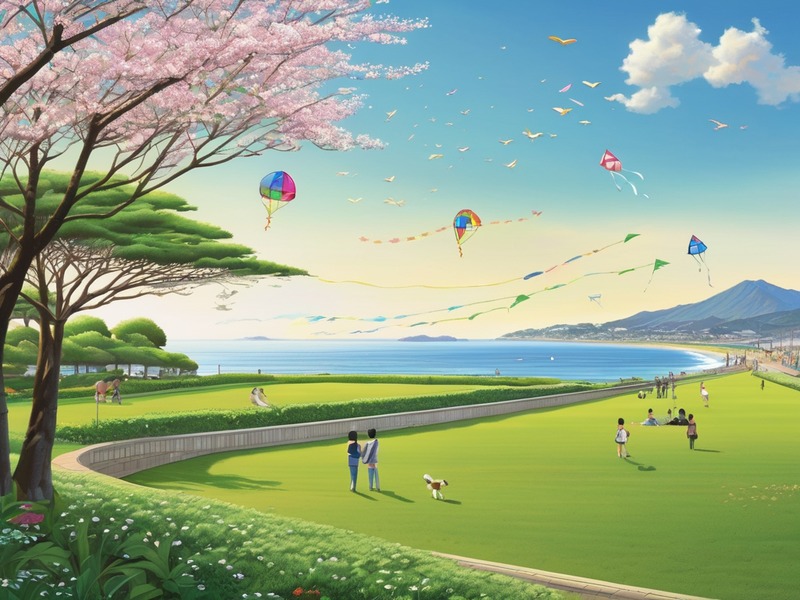
Tsujido Kaihin Prefectural Park is a long, beautifully maintained green space that runs along the coast between Tsujido and the Chigasaki border. It is part promenade, part playground, part museum: a wide lawn with picnic tables, a cycling path, a children’s traffic park, and a small museum about the area’s coastal history.
I have walked this park in every season. In spring it fills with families flying kites; in summer the pool and splash areas hum; in autumn the lawns turn gold against a deep blue sea; and in winter, on clear days, the view across the water toward Mount Fuji is quietly spectacular.
What to See and Do
- The promenade and lawns — The park’s backbone is a long, level path with sea views. Picnic tables dot the lawns.
- The traffic park — A miniature road network where children can ride small vehicles and learn road safety. Popular with families on weekends.
- The transportation museum — Displays about the history of transport in the area, including vintage bicycles and a working model train. Admission around ¥300 for adults.
- The summer pool — A large seasonal pool complex (roughly July to early September). Adults around ¥850, children less. Arrive early on hot weekends.
Practical Notes for the Park
- Hours: The park is open daily, with the museum and pool on seasonal schedules. Check current hours at the entrance.
- Access: 20 minutes on foot from Tsujido Station, or a short bus ride. Parking is available but fills on weekends.
- Bring a picnic — The lawns are the best lunch spot in the area, and the sea breeze keeps even midsummer afternoons bearable.
🚝 The Shonan Monorail: Riding Above the Streets
Why It Is Worth a Ride
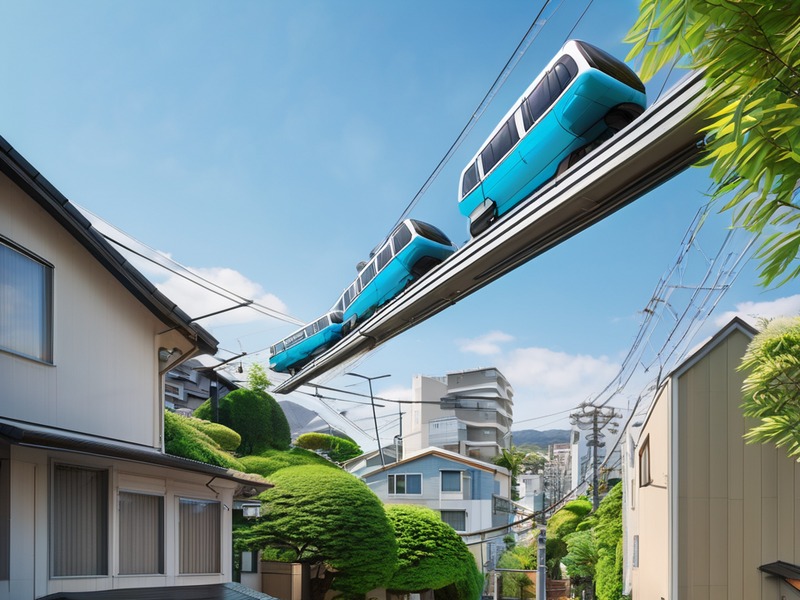
The Shonan Monorail is a suspended monorail that runs from Ofuna in the north through the hills of western Fujisawa to Shonan-Enoshima on the coast. Riding it feels like a slow-motion roller coaster — the cars hang beneath the track, swaying gently over streets, rivers, and treetops.
I use it every time I visit the coast. The views from the windows are unique: glimpses into garden backyards, over temple roofs, and down onto the main roads below. It is also genuinely useful, connecting the JR network at Ofuna to the Enoshima area without touching the congested surface roads.
Practical Notes for the Monorail
- Route and fare: Ofuna to Shonan-Enoshima is about 14 minutes, around ¥340 one way. The one-day pass (about ¥750) is the best deal if you ride more than twice.
- Best seats: Sit at the front or back of the car for the fullest view.
- Combine with Enoden: At Shonan-Enoshima, transfer to the Enoden line to continue to Kamakura along the coast.
☕ Beachside Cafes and Local Food
The Cafe Culture
The coast west of Enoshima has developed its own cafe culture — relaxed, slightly worn-in, and focused on good coffee and sea views rather than Instagram backdrops. These are the places where surfers warm up before dawn sessions and locals read the paper on weekday afternoons.
Where to Go
- Chikyu Farm to Table — Organic vegetables and seasonal plates, 5 minutes from Kugenuma-Kaigan Station. Lunch sets around ¥1,000-2,000.
- Days Kugenuma — A casual diner with international plates, spiced curries, and a weekend pancake that draws regulars. Near Kugenuma-Kaigan Station.
- Suzu Kugenuma Coffee Stand — A small, serious coffee stand with award-winning latte art. The matcha tiramisu is a house favorite.
- 3nD Cafe + Bar — A stylish all-day cafe near Tsujido Station, good for brunch or an evening drink.
- Beach houses — In summer, the seasonal beach houses along Kugenuma serve simple meals, shaved ice, and cold drinks with the sand right outside.
Local Food Notes
- Shirasu (whitebait) — The coastal specialty, served as a bowl, in a donburi, or on pizza. Freshest in spring and autumn.
- Shonan beers — The area’s craft breweries are covered in the Shonan craft brewery guide.
- Cash is king at beach houses — The summer stalls are largely cash-only.
🗓️ Sample Itinerary: A Day on the Surf Coast
Morning (9:00-13:00)
- 9:00 — Arrive at Kugenuma-Kaigan Station. Walk to the beach and watch the morning surf session.
- 10:30 — Take a 2-hour surf lesson, or rent a board if you already ride.
- 13:00 — Lunch at a beachside cafe or a shirasu donburi at a local diner.
Afternoon (13:30-18:00)
- 14:00 — Ride the Shonan Monorail from Shonan-Enoshima to Ofuna and back, enjoying the elevated views.
- 15:30 — Walk the lawns of Tsujido Kaihin Park, and stop at the transportation museum.
- 17:00 — Sunset walk along the beach, then dinner at a Tsujido restaurant.
If You Have More Time
- Enoshima Island: The complete Enoshima guide is a short walk or ride from Kugenuma. The caves and sunset deck are the highlights.
- Kamakura by Enoden: Ride the Enoden line east to Kamakura for temples and hiking.
- The wider Shonan coast: See the Shonan beach guide for the full stretch from Kamakura to Chigasaki.
- Chigasaki west: The neighboring surf town of Chigasaki, with its Southern Beach monument, is covered in the Chigasaki beach town guide.
📅 Seasonal Notes
- Spring (Mar-May): Clean swells, soft light, and the first beachhouse openings. The best season for beginner surfing.
- Summer (Jun-Aug): Swimming season with lifeguards, the big pool at the park, and lively beach houses. Surfing moves to designated zones.
- Autumn (Sep-Nov): The water stays warm, the crowds thin, and the waves turn glassy again. My favorite season on this coast.
- Winter (Dec-Feb): The strongest swells and the clearest air. Watching dawn surfers against Mount Fuji is worth the cold.
💡 Practical Tips
- Go early — The coast is at its best before 10:00: cleanest waves, softest light, and emptiest cafes.
- Use the monorail pass — It is the easiest way to explore without a car, and the views are part of the experience.
- Book surf lessons in advance — Popular schools fill up on summer weekends. Book at least a day ahead.
- Layer for the wind — The sea breeze is stronger than it looks. A light windbreaker makes a huge difference.
- Carry cash for beach houses — The summer stalls and some local shops are cash-only.
Conclusion
Tsujido and Kugenuma are the parts of Fujisawa that locals never leave and tourists rarely find. This is where Japanese surfing was born, where the beach is a neighborhood rather than an attraction, and where the rhythm of the day follows the tide instead of the tour bus schedule. Whether you take your first lesson, ride the monorail over the rooftops, or simply walk the park with a coffee, you will find a Shonan that feels authentic, unhurried, and entirely worth the detour.
FAQ
Q: Is Kugenuma good for beginner surfers?
A: Yes. The waves are forgiving, schools are plentiful along the beach, and beginner lessons include board, wetsuit, and instruction for around ¥5,000-7,000.
Q: Can I visit without a car?
A: Easily. The Shonan Monorail, the Odakyu Line, and local buses cover the area well, and a one-day monorail pass makes it affordable.
Q: What is the best season for surfing here?
A: Spring and autumn offer the cleanest beginner waves. Winter has the strongest swells, and summer is swimming season.
Q: How much does a day on the surf coast cost?
A: Around ¥4,000-5,000 per person without a lesson: transport ¥2,000 round trip, monorail pass ¥750, lunch ¥1,500, and museum entry ¥300.