
Chigasaki Beach Town Guide: Surf Culture, Southern Beach, and Local Flavor
Overview
Chigasaki is the kind of Japanese beach town that refuses to be a tourist attraction. It has a world-class beach, a beloved music history, and a serious ramen scene, yet it feels like a place where people simply live well — surf in the morning, work a bit, eat well, and watch the sunset from the sand.
I came to Chigasaki on a recommendation from a Tokyo friend who grew up there, expecting a small beach town. What I found was a community with real cultural weight: the surf culture that shaped it in the 1960s, the singer-songwriter legacy that gave it a nationwide identity, and a food scene that punches far above its size. The beach is beautiful, but the town around it is the real reason to go.
This guide covers Southern Beach and the C monument, the surf culture of Chigasaki, the local food scene (including the famous ramen), and the practical details of a day trip from Tokyo.
📍 Getting There & Access
From Tokyo
- JR Tokaido Line to Chigasaki Station (60 min from Tokyo Station, around ¥1,040) — Direct trains from Tokyo make Chigasaki one of the easiest beach towns to reach. The Shonan-Shinjuku Line also connects from Shinjuku and Shibuya.
- By car — The Shin-Shonan Bypass Chigasaki-Kaigan IC brings you right to the coast. Expect 40-60 minutes from central Tokyo with light traffic.
Getting Around
- On foot — The station-to-beach route is a pleasant 20-minute walk down the shopping street (Southern-dori).
- Buses — Local buses connect the station to the beach and Yanagishima in about 10 minutes.
- Bicycle — Flat and compact, Chigasaki is best explored by bike. Rentals are available near the station.
🌊 Southern Beach Chigasaki: The Town’s Heart
The Beach
Southern Beach Chigasaki is the town’s main beach, a wide stretch of sand facing Sagami Bay with the iconic Eboshi Rock rising from the surf just offshore. On clear days, the view runs from Enoshima in the east to Mount Fuji in the west. The beach’s landmark is the “Chigasaki Southern C” monument — a large white sculpture of the letter C that has become the town’s favorite photo spot.
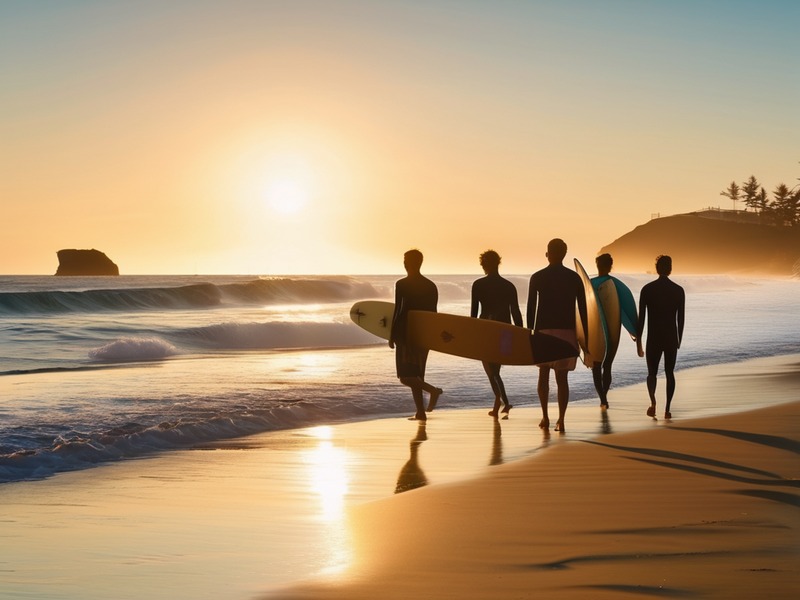
I have sat on this beach at every hour of the day. The morning light on the water is clean and quiet; summer afternoons bring swimming families and beach house music; and the sunsets, when the sky turns orange behind the C and Eboshi Rock, are among the best in Shonan. See the Shonan sunset guide for more sunset spots along the coast.

What to Do
- The C monument photo — The classic Chigasaki photo, especially good at sunrise and sunset.
- Swimming — The swimming season runs from early July through the end of August, with lifeguards on duty and beach houses operating along the sand.
- Walking and jogging — The beach runs for kilometers in both directions. Walking east toward Eboshi Rock or west toward the Sakai River mouth is the best free activity.
- Sea kayaking and SUP — In the shoulder seasons, lessons and rentals operate on the calm stretches. See the Shonan marine activities guide for details.
Practical Notes for the Beach
- Entry: Free. Beach houses, parasols, and rentals are extra.
- Swimming season: Early July to the end of August, roughly 8:30-17:00. Surfing is restricted to designated zones during this period.
- Facilities: Showers and changing rooms are available near the beach house cluster in summer. Public restrooms are open year-round.
🏄 Surf Culture: Japan’s Original Surf Town
The Legacy
Chigasaki claims one of Japan’s earliest surf scenes, developed in the 1960s when the first waves were ridden here by the pioneers of Japanese surfing. Unlike Kugenuma’s more organized surf-school energy, Chigasaki’s surf culture feels older and more local — boards strapped to cars, wetsuits drying on balconies, and a morning greeting wave from the regulars in the water.
I joined a dawn session-watching routine on my second visit, sitting on the seawall with a coffee while the locals took turns on a clean winter swell. Nobody was showing off; it was just a neighborhood rhythm, repeated every morning for fifty years. That sense of continuity is what makes Chigasaki feel different from other surf beaches.
Where to Experience It
- The seawall at Southern Beach — The best free viewpoint for watching surfers, especially at dawn.
- Surf shops along the coast — Several long-running shops rent boards and wetsuits, and a few offer lessons.
- Yanagishima Beach (west) — The quieter western beach near the Sakai River mouth, favored by longboarders and beginner-to-intermediate surfers.
🍜 The Ramen Scene: Why Chigasaki Is a Food Town
The Local Obsession
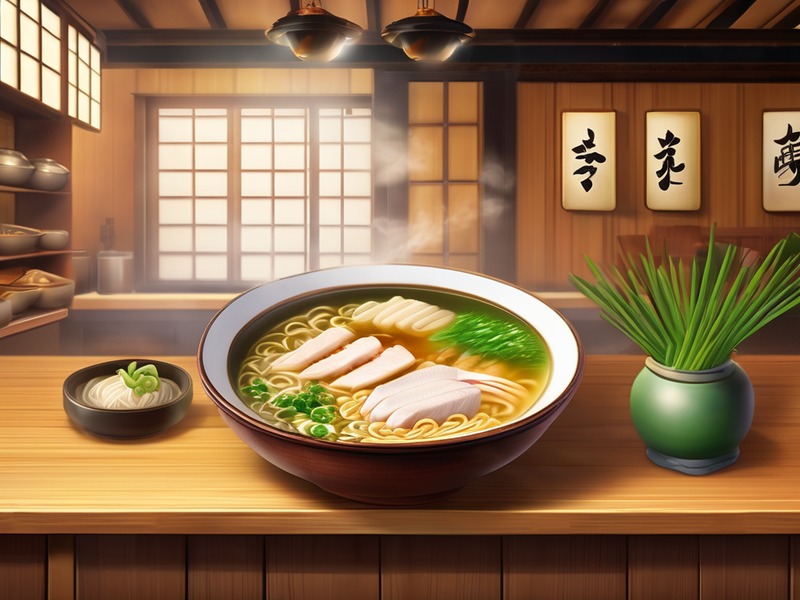
Chigasaki is a genuine ramen battleground — a small beach town with a concentration of high-level ramen shops that would be notable even in Tokyo. The styles range from refined chicken-broth bowls to creamy tonkotsu, and several shops have earned national recognition.
On my first visit, I asked a local which shop to try first. He shrugged and said, “You can’t go wrong; that’s the problem.” I tried three shops over two days, and he was right — each was excellent in a completely different way.
Where to Eat
- Raamen Toki — A nationally recognized shop known for its house-made noodles and elegant chicken-based broth. Expect a line; go early.
- Menya BISQ — A creamy, modern tonkotsu with a cult following. The rich bowl is not for the faint of heart.
- Noodle Works — A relaxed shop with a rotating menu of inventive bowls and excellent side dishes.
- Budget: Expect ¥800-1,200 per bowl.
Beyond Ramen
- Shirasu donburi — The coastal whitebait bowl, best in spring and autumn. Several seafood diners near the beach serve it.
- Chigasaki craft beer — The local brewery’s beers are sold across the town and are a great souvenir. See the Shonan craft brewery guide for the full brewery trail.
- The local eats guide — For the deeper food scene, the Chigasaki local eats guide covers more of the town’s restaurants and markets.
🛍️ The Shopping Street and Town Center
Southern-dori and the Station Area
The walk from Chigasaki Station to the beach runs down Southern-dori, a covered shopping street lined with bakeries, vegetable shops, and long-established stores. The station area itself — the LUSCA building and its surroundings — is compact and walkable, with souvenir shops selling Chigasaki goods.
I always stop at a bakery on Southern-dori for a morning bun before the beach. It is a small ritual, but it is the kind of detail that makes a beach town feel like home.
What to Buy
- Chigasaki craft beer — The perfect local souvenir.
- Southern C goods — T-shirts, towels, and keychains featuring the monument, sold at shops near the beach.
- Local produce — The morning vegetable stalls along Southern-dori carry coastal produce, including the area’s famous cabbage.
🗓️ Sample Itinerary: Chigasaki in a Day
Morning (9:00-13:00)
- 9:00 — Arrive at Chigasaki Station. Grab a pastry on Southern-dori.
- 9:45 — Walk to Southern Beach. Photo at the C monument, then a walk along the sand toward Eboshi Rock.
- 11:30 — Early ramen lunch before the line forms.
- 13:00 — Browse the shops and souvenir stalls near the station.
Afternoon (13:30-18:30)
- 14:00 — Rent a bike and ride west to Yanagishima Beach for the quieter surf view.
- 15:30 — Coffee and cake at a seaside cafe.
- 17:00 — Return to Southern Beach for the sunset — the best hour of the day here.
- 18:30 — Dinner at a local izakaya or a second ramen shop, then the train home.
If You Have More Time
- Enoshima and Kamakura: Ride the Enoden line east for Enoshima Island and Kamakura’s temples.
- The wider Shonan coast: The Shonan beach guide covers the entire coastline from Kamakura to Oiso.
- Fujisawa’s surf coast: The neighboring Kugenuma coast, birthplace of Japanese surfing, is covered in the Tsujido and Kugenuma guide.
📅 Seasonal Notes
- Spring (Mar-May): Clean swells and soft light. The best season for watching surfers and for shirasu season.
- Summer (Jun-Aug): Swimming season with beach houses, fireworks festivals, and the liveliest atmosphere. The summer fireworks guide lists the local displays.
- Autumn (Sep-Nov): Warm water, thin crowds, and glassy waves. My favorite season on this coast.
- Winter (Dec-Feb): The strongest swells and the clearest air. Sunrise surfers against Mount Fuji are the winter show.
💡 Practical Tips
- Go for the sunset — The C monument at sunset is the defining Chigasaki image. Arrive at the beach by 16:30 in summer and 16:00 in winter.
- Eat ramen early — The famous shops form lines by 11:30. Arrive before the rush.
- Bring cash — Many beach houses, small shops, and some ramen shops are cash-only.
- Layer for the wind — The sea breeze is strong even on sunny days. A windbreaker is essential.
- Check the swimming calendar — Surfing restrictions and beach house hours change with the swimming season.
Conclusion
Chigasaki is a beach town that understands itself: surfing at dawn, ramen at noon, and sunset on the sand with the C monument glowing in the last light. It is close enough to Tokyo for a spur-of-the-moment day trip, small enough to walk across, and deep enough to keep rewarding repeat visits. Come for the beach, stay for the ramen, and leave with the feeling of having found a town that knows how to live well.
FAQ
Q: How do I get to Chigasaki from Tokyo?
A: Direct JR Tokaido Line trains from Tokyo Station reach Chigasaki in about 60 minutes. The Shonan-Shinjuku Line serves Shinjuku and Shibuya.
Q: What is the best time of day to visit the beach?
A: Early morning for watching surfers, and sunset for the C monument photo — the two best hours of the day here.
Q: Is Chigasaki good for a day trip?
A: Yes. The full loop — beach, ramen, shopping, and sunset — fits comfortably into one day, with several strong options for extending to Enoshima or Kamakura.
Q: How much does a day in Chigasaki cost?
A: Around ¥4,000-5,000 per person: train ¥2,080 round trip, lunch ¥1,200, snacks and coffee ¥1,000, and souvenirs as budget allows. The beach and C monument are free.